
Author
WB Loo
Senior Product Lead, former strategy consultant · London
WB Loo lives in London and holds a Master’s degree in Civil Engineering from Imperial College London.
WB started out as a strategy consultant, working for firms in London and Singapore including Bain & Company, Oliver Wyman and Monitor Deloitte.
From consulting, WB moved into product: hired to lead the entire product function of a private equity software company as Lead Product Manager, and now a Senior Product Lead at a data and AI company.
WB has passed Levels I and II of the CFA® Program, and writes Alpha Investing Group’s guides to explain personal finance and investing in plain English for people just starting out.
- Education
- Master’s degree in Civil Engineering, Imperial College London
- Career
- Senior Product Lead, a data and AI company
- Lead Product Manager, heading the product function of a private equity software company
- Strategy consultant in London and Singapore, at firms including Bain & Company, Oliver Wyman and Monitor Deloitte
- Finance qualifications
- Passed Levels I and II of the CFA® Program
Articles by WB Loo91

Investing
The Recency Bias That Quietly Makes Investors Buy High and Sell Low
None of 2021's winning funds were still winning by 2024. That isn't bad luck, it's the ordinary behavior of markets. Recency bias is what makes you buy those funds anyway, usually right at the point where the run ends. Morningstar puts the cost of that habit at 1.2 percentage points a year, though a paper forthcoming in the Financial Analysts Journal argues the real figure is closer to 0.10. Here's the honest number, why the scary version gets quoted anyway, and the three-part rule that quietly protects you either way.

Investing
Can You Trust AI for Financial Advice? Seven Chatbots Gave Seven Answers
Your chatbot is guessing, and it sounds exactly the same as when it isn't. Researchers gave seven AI tools an identical household profile and asked how much the family should hold in emergency savings. The recommendations came back anywhere from about $21,000 to $37,500. Ask the same tools for a safe retirement withdrawal rate, though, and they almost all said 4%. Here's what that split tells you about which money questions AI is safe on, the one tool that cut its stock recommendation in half when only the race of the person changed, and the ninety-second test to run before you act on anything a chatbot tells you.
Investing
Save, Invest, or Pay Off Debt First? The Financial Order of Operations
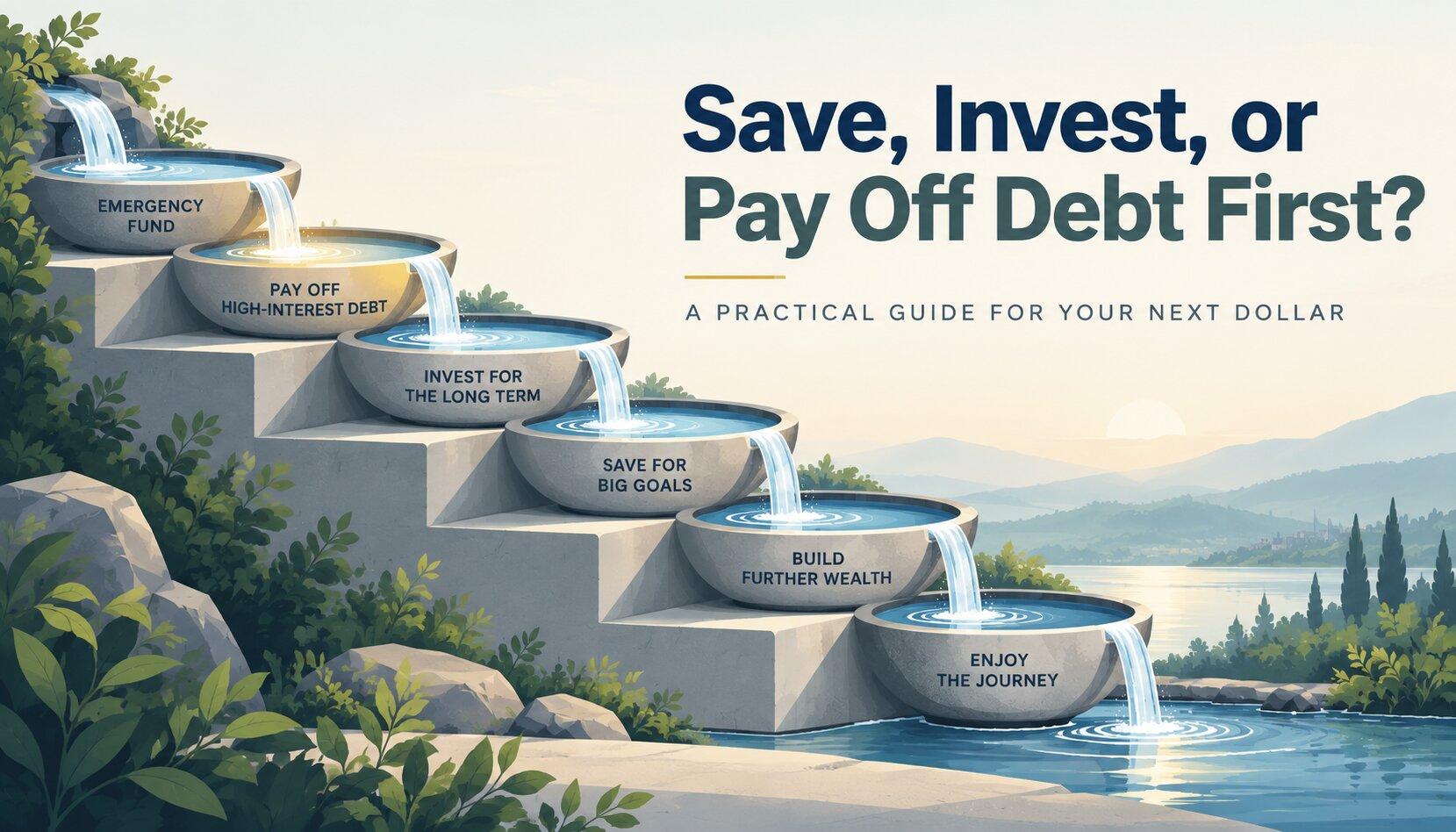
Your employer match beats paying off a credit card. Most beginner guides put the emergency fund first, a few open with insurance deductibles, and that is why nobody agrees on step one. The tiebreaker is simpler than the arguing suggests. Rank every dollar by what it earns you, then pull just enough cash forward that a surprise never pushes you back onto the card. Here is the full seven-step order with the 2026 contribution limits, one worked example on a $55,000 salary that quietly runs out halfway through step five, and the two moments when breaking the order is the right call.
Investing
What a Vanguard Index Fund and Doing Absolutely Nothing Have In Common (And Why It's Made Lazy Investors Rich)
Picking a winning fund manager is now worse than random. S&P tracked every large-cap fund that finished above the median and asked how many were still there afterward. The answer was 4.5%. If the whole thing were a coin flip, you would have expected 6.25%. Here's the twenty-year scoreboard, the honest evidence that cuts against my own argument, and the four things that doing nothing quietly demands of you.
Investing
How Much of Your Portfolio Should Be in Stocks at Your Age? (And Why '100 Minus Your Age' Is Outdated)
Your retirement got three and a half years longer. The rule that tells you how much to hold in stocks was calibrated against a 1980 retirement, and it has not moved since. A 65-year-old back then could expect 16.9 more years of life. Today it's 20.5, and "100 minus your age" still says exactly what it said forty years ago. Here's where the rule actually broke, the 30-point gap between it and a real glide path at 40, and the one swap that fixes it without turning your portfolio into a hobby.
Personal Finance
5 Numbers Worth Checking Before Summer Ends (A Mid-Year Financial Review That Takes 10 Minutes)
Americans are saving 2.7% of their income. That's the June 2026 figure from the Bureau of Economic Analysis, and it's a fraction of what every budgeting rule assumes. Most people have no idea where they sit against it, because almost nobody actually calculates their own savings rate. Half the year is gone, which makes right now the cheapest possible moment to find out. Here are the five numbers that make up a real mid-year review, the two-minute method for pulling each one, and the rule for deciding which single number is worth acting on before January.
Investing
Why a $100 Loss Hurts Twice as Much as a $100 Gain Feels Good (And Why It's Quietly Costing You)
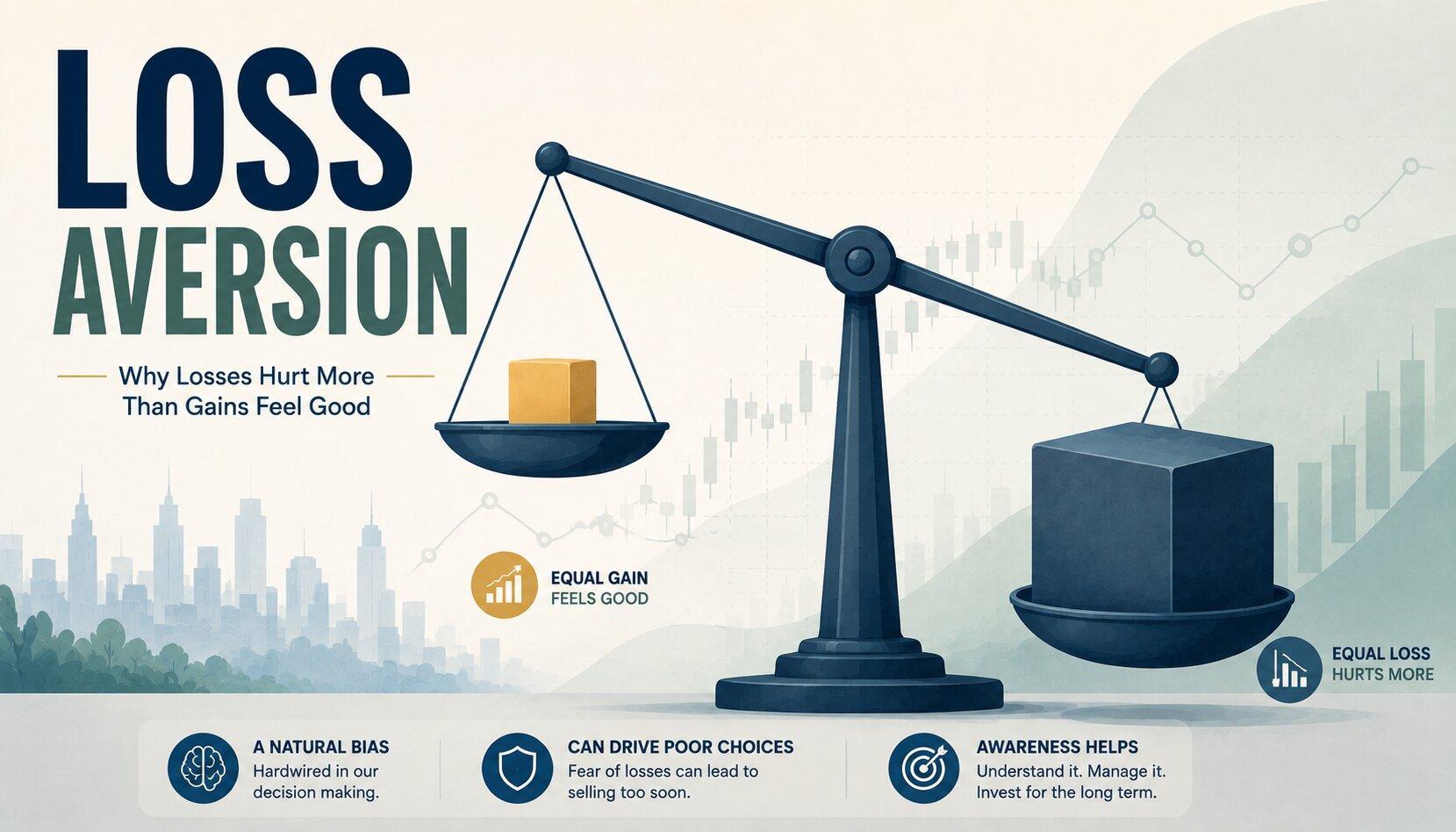
Your brain charges you twice as much for a loss as it pays you for a gain. That single bit of wiring is why smart people sell at the bottom, cling to their worst stock for years, and hide in cash they can't retire on. It even has a price tag: Morningstar pegs the average investor's self-inflicted cost at about a point of return every year. The strange part is that knowing all this doesn't fix it. Here's where the 2:1 number comes from, what it quietly costs in real dollars, and the one boring habit that shrinks the damage more than willpower ever will.

Personal Finance
The Lifestyle Creep That Quietly Eats Your Next Raise (And the 50% Rule That Stops It)
Your next raise probably won't make you richer. Not because it's too small, but because your spending quietly rises to match it. Economists call this lifestyle creep, and it's a big reason the US savings rate barely moved even as paychecks grew. The fix isn't more willpower, it's a rule that captures part of the money before you can spend it. Here's the 50% rule, the brain science that makes it necessary, and what half of a single raise could quietly grow into over 30 years.

Investing
How to Start Investing With $100 a Month (Without Picking Stocks or Paying Fees)
Nobody who waited to "have enough" to invest is glad they waited. $100 a month sounds too small to bother with, which is exactly why most people never start and quietly lose a decade. That decade is the expensive part, because time does far more of the work than the amount you put in. The good news is the whole thing fits on one page, and none of it involves picking a stock. Here's the first-year plan: the account to open first, the one fund to buy, and the automation that makes it run without you.
Personal Finance
Roth or Traditional 401(k)? The Tax-Bracket Question That Settles It
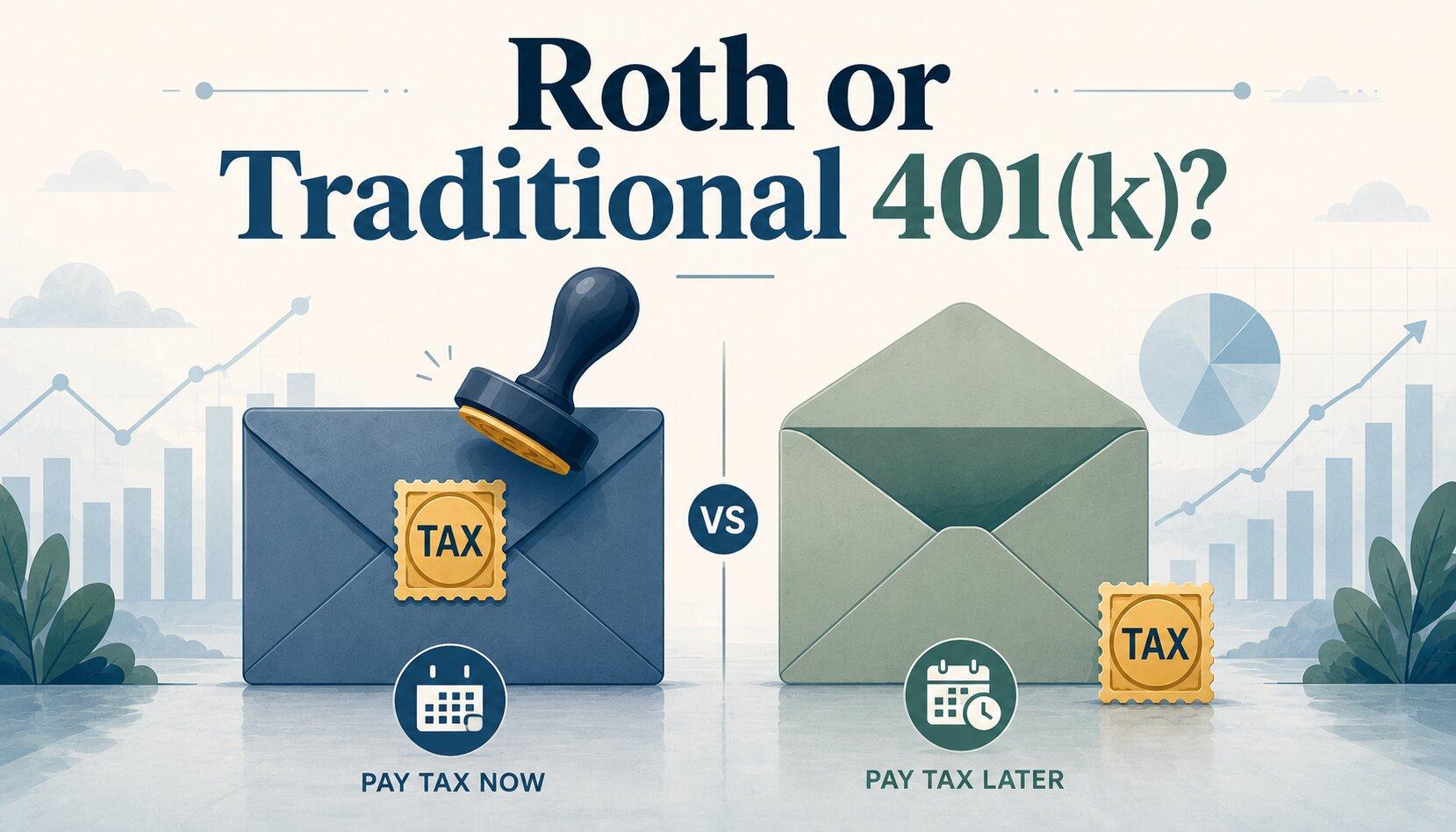
Your first 401(k) form has a trick question on it. Roth or Traditional doesn't change your salary, your investments, or how much you can save. It only changes when you hand the IRS its cut. Most guides list ten factors and quietly never answer the question. Here's the one tax-bracket comparison that actually settles it, a worked example with real 2026 numbers, and the three situations where the simple rule bends.
Personal Finance
The Quiet Retirement Risk Most Investors Ignore (Until It's Too Late)
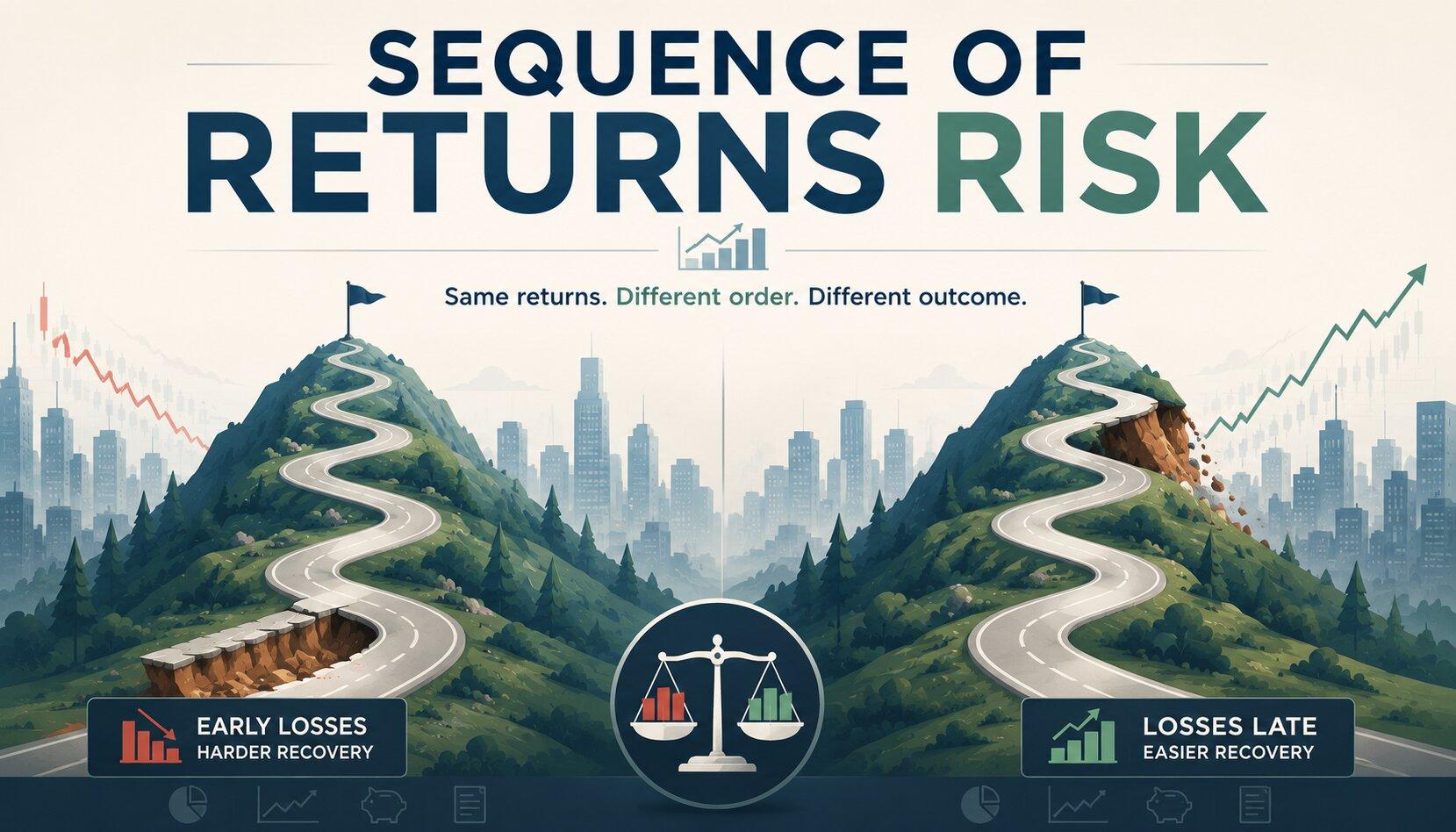
Your retirement date may matter more than your returns. Sequence of returns risk is the quiet reason two people with identical average returns can end up in completely different places. It only bites hard in the roughly ten years around the day you stop working. Before then, a crash is a discount, not a disaster. Here's what it really is, who should actually worry about it, and the three cheap, boring fixes that beat panic every time.
Personal Finance
What to Do With Your Tax Refund Before You Spend It (A 5-Step Decision Tree for Your 20s and 30s)
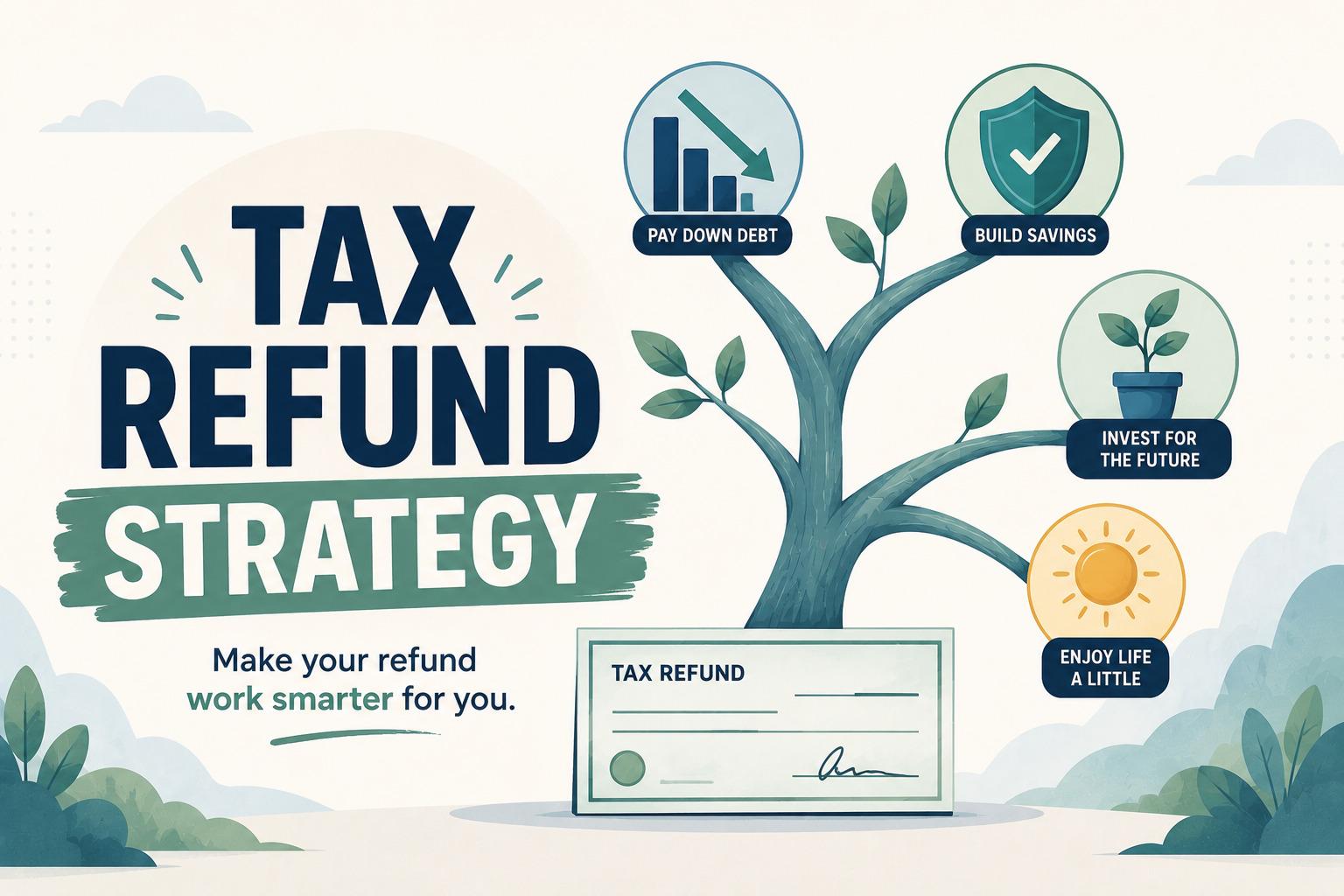
Your tax refund was never a bonus. It's your own paycheck, handed back after the government held it interest-free for a year. The average refund topped $3,000 this year, and most of it disappears within weeks because the brain treats found money differently. Spend it on autopilot and a $3,000 check buys you nothing you'll remember. Here's the five-step decision tree that puts a refund to work: the debt to kill first, the retirement deadline most people miss, and the one slice you're allowed to spend guilt-free.
Investing
Should You Pay Off Your Mortgage Early or Invest the Difference? Here's the Maths
Paying off your mortgage early is now a guaranteed 6.5% return. A few years ago, with 3% loans, that was an easy pass in favour of stocks. At today's rates the gap is small enough that the choice genuinely matters, and the tax-break argument most people lean on barely applies anymore. The honest answer is a number, not a gut feeling. Here's the simple maths, the tax reality most guides get wrong, and the split that usually beats picking a side.
Should Your Index Fund Include the Whole World, or Just America? Here's the Honest Trade-off
Buying the whole world still means buying mostly America. A single total world fund lands at roughly 60% US, so the "global versus America" fight is really a choice between all-America and mostly-America. The performance charts everyone argues over don't settle it either. US stocks beat international by about 7.5 points a year through 2023, and Vanguard now projects the reverse over the next decade, with no promise it's right. Here's the honest trade-off, the catch most beginner guides skip, and the simple 20-to-40% rule that lets you decide once and stop second-guessing.

Personal Finance
How Much Do You Actually Need to Retire? The 4% Rule, Explained Without the Maths Anxiety
Your retirement number is probably just your spending times 25. The 4 percent rule has been the back-of-the-envelope answer since 1994, when one planner ran it against the worst markets in US history. It survived every time, on a plain balanced portfolio. The catch is that the safe starting number has quietly drifted below 4 percent, and almost no explainer tells you why. Here's the one-minute math, the worked example for $50,000 a year, and the sequence-of-returns risk that decides how conservative you should really be.
Personal Finance
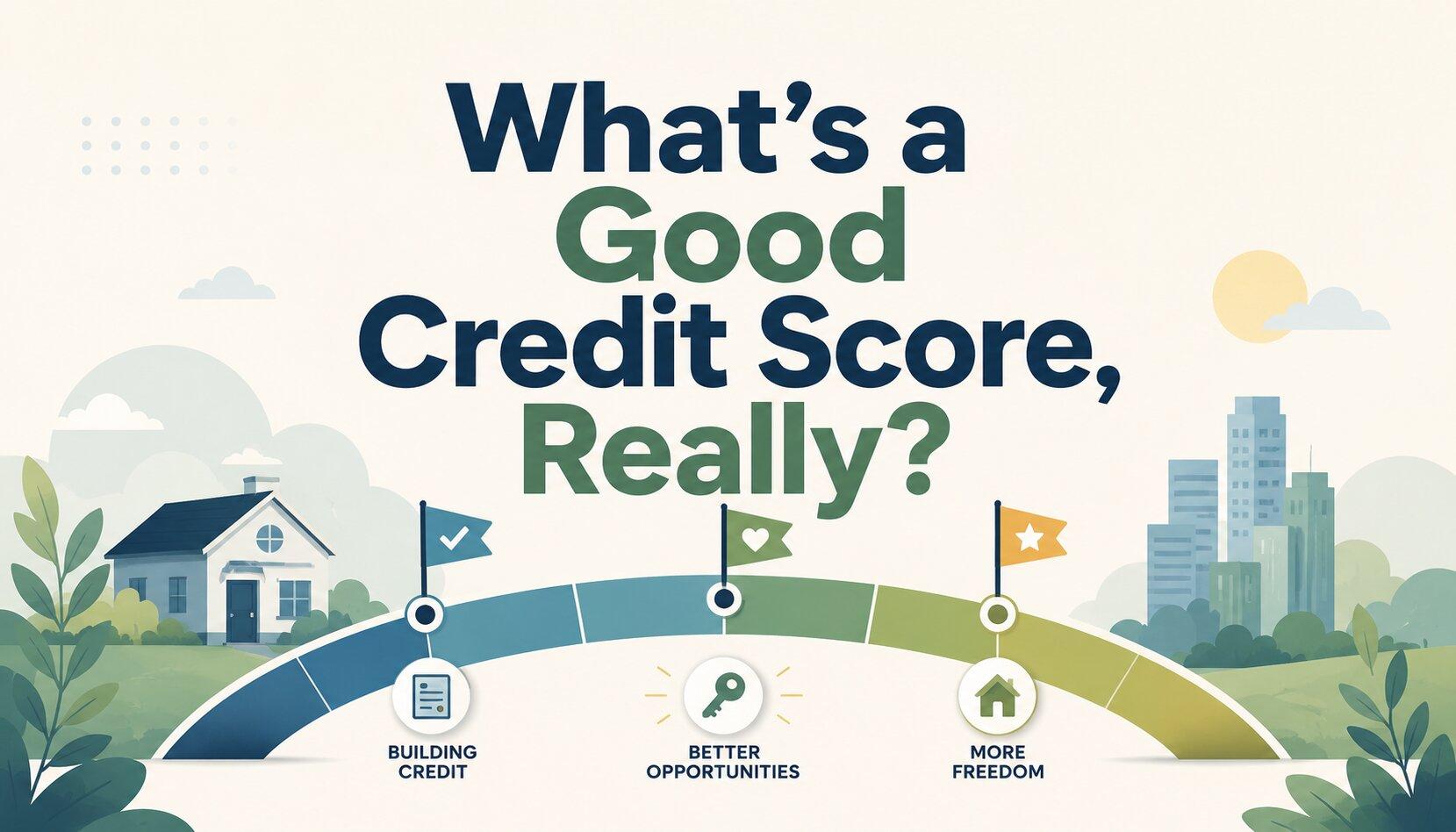
What's a Good Credit Score, Really? The Three Numbers That Actually Change Your Life
Your credit score can quietly cost you a house. Not the down payment, the interest. On a $300,000 mortgage, the gap between a low-600s score and a mid-700s score runs to about $50,000 over 30 years. The strange part is that you don't need a perfect score to avoid it. Here's the good credit score range that actually matters, the three thresholds that change your rate, and why chasing 850 is a waste of time.
Investing
What Is Cash-on-Cash Return? The Golden Metric You Must Know Before Investing In Real Estate
Most property investors think they are making money, until they actually run the numbers. A high rental yield or rising house price feels reassuring, but neither tells you what your cash is really doing. Seasoned investors, lenders, and professionals care about one thing above all else: how efficiently your invested cash turns into real income. That is why the smartest real estate decisions are grounded in a metric that cuts through leverage, financing, and paper profits. Cash-on-cash return is the golden metric that separates properties that look good from investments that actually work.
Investing
How Financial Literacy Quietly Closes the Wealth Gap (And Why Compound Interest Is the Real Equalizer)
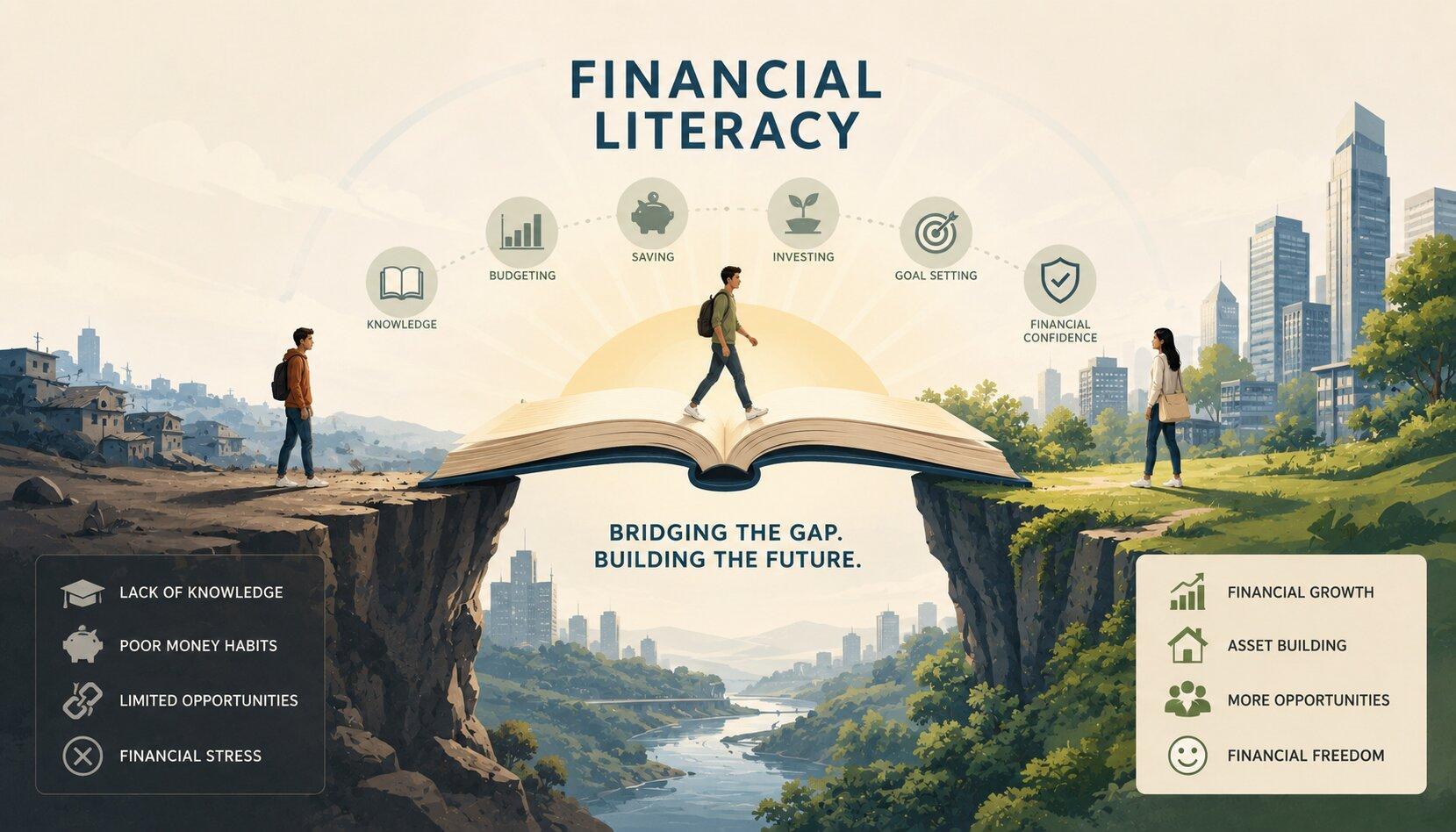
About a third of US wealth inequality is a literacy story. That's the most cited academic estimate, and almost no one in the field actually quotes it. The mechanism behind it isn't willpower, it's compound interest, which doesn't care who's pulling on it. Two people on the same $60,000 salary, one saving 12% and one saving 3% for 35 years, end up roughly $746,000 apart. Here's what the data actually says, why the top-ranking pieces skip the math, and the calm middle position the debate keeps missing.
Investing
REITs Explained for Beginners and People Who Don't Want to Be Landlords
You probably already own REITs and don't know it. If you've got a 401(k) holding a target-date fund, you almost certainly hold real estate in it. Beginner guides skip this and keep selling REITs like they're a fresh idea. Most of them also skip the tax wrinkle that quietly costs high earners several hundred dollars a year. Here's what REITs really are, the Section 199A wrinkle the field underplays, and the three situations where adding more of them quietly hurts your portfolio.

Investing
The Psychology Behind Money: Why Understanding Your Money Mindset Is Crucial
Money decisions are rarely about numbers alone. What looks like a budgeting problem or a bad investment choice is often driven by habits, emotions, and beliefs formed long before your first payslip. Behavioural finance research and decades of psychological studies show that fear, overconfidence, and social pressure consistently shape how people earn, spend, and invest. Until you understand these invisible drivers, even the best financial advice can fail to stick or produce lasting results. Mastering your money starts with mastering the mindset behind it.
Investing
These 8 Structural Tech and Macro Shifts Are Reshaping Investment Opportunities in 2026
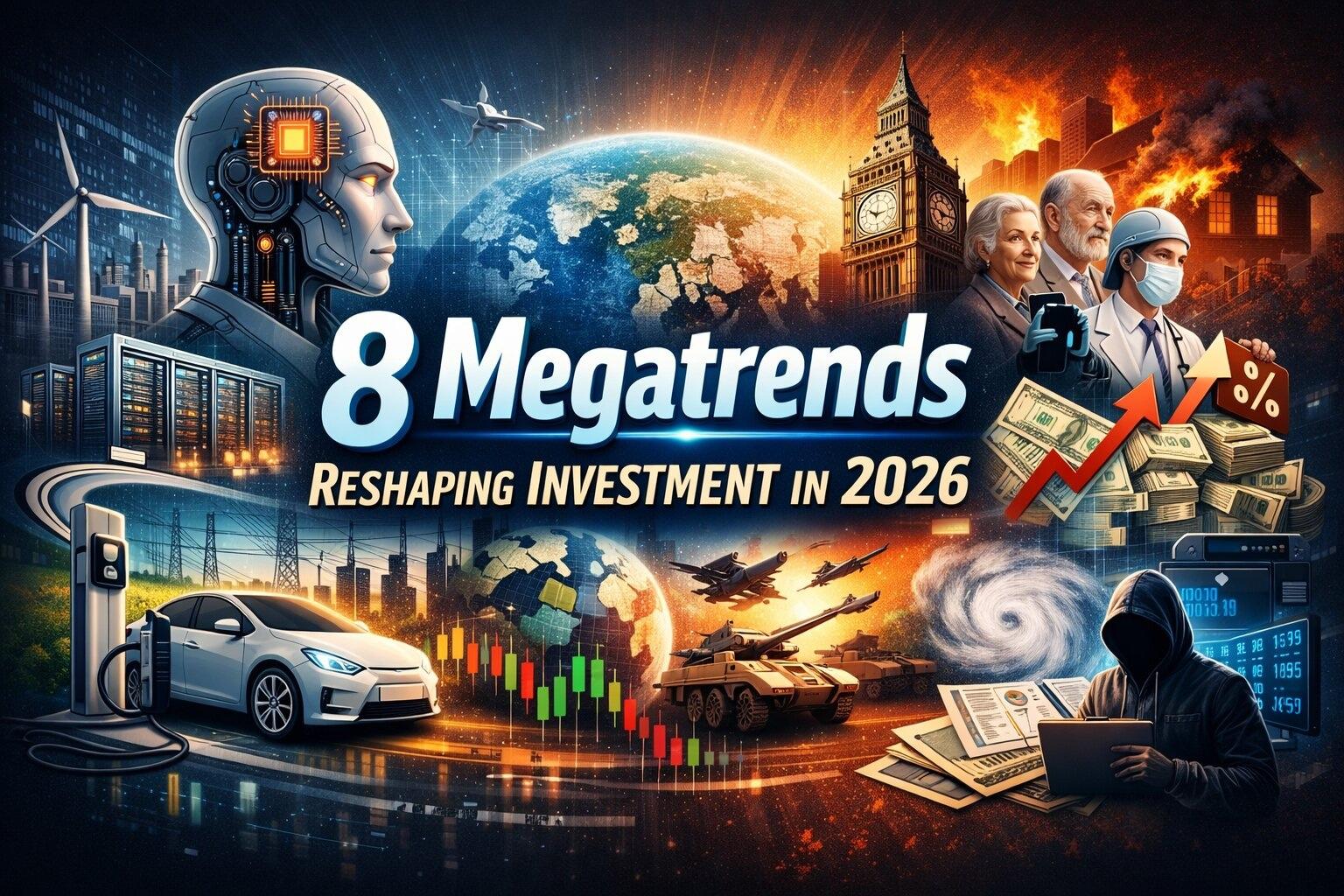
The world is not just changing, it is tilting beneath our feet. What looks like daily market noise is actually the surface ripple of deep structural shifts reshaping how wealth is created and destroyed. From AI-driven productivity cycles to geopolitical realignments and capital flowing into entirely new asset classes, the forces at play are bigger than any single headline or earnings season. Investors who mistake these long-term transformations for short-term volatility risk positioning their portfolios for a world that no longer exists. 2026 will not reward the reactive, it will reward the structurally aware.

Financial Literacy
Think You Can Afford That Dream Home? The Harsh Reality of Being House Poor
You might think buying your dream home is the ultimate sign of financial success. But for many young buyers, that dream quickly becomes a monthly struggle that drains every spare pound. Rising interest rates, soaring maintenance costs and lifestyle inflation mean that owning a home can quietly sabotage your wider financial stability. Instead of feeling secure, homeowners often find themselves sacrificing savings, delaying investments and cutting back on essentials just to keep up. The real question is simple: is a beautiful home worth it if it leaves you financially trapped?

Investing
The Dangers of Trend Following: How Chasing the Next Big Thing Can Ruin Investment Portfolios
Everyone wants to find the next Tesla, Bitcoin, or Nvidia before the world catches on. But in the race to chase what’s hot, investors often end up buying high and selling low. History is littered with examples of bubbles fuelled by herd mentality and FOMO, from the dot-com craze to the meme-stock mania. Each time, fortunes were made quickly, yet far more were lost when the hype collapsed. True wealth isn’t built by following trends, but by investing with discipline and patience when others lose their heads.
Personal Finance
What Is the Rule of 7? The Overlooked Rule That Could Transform Your Finances
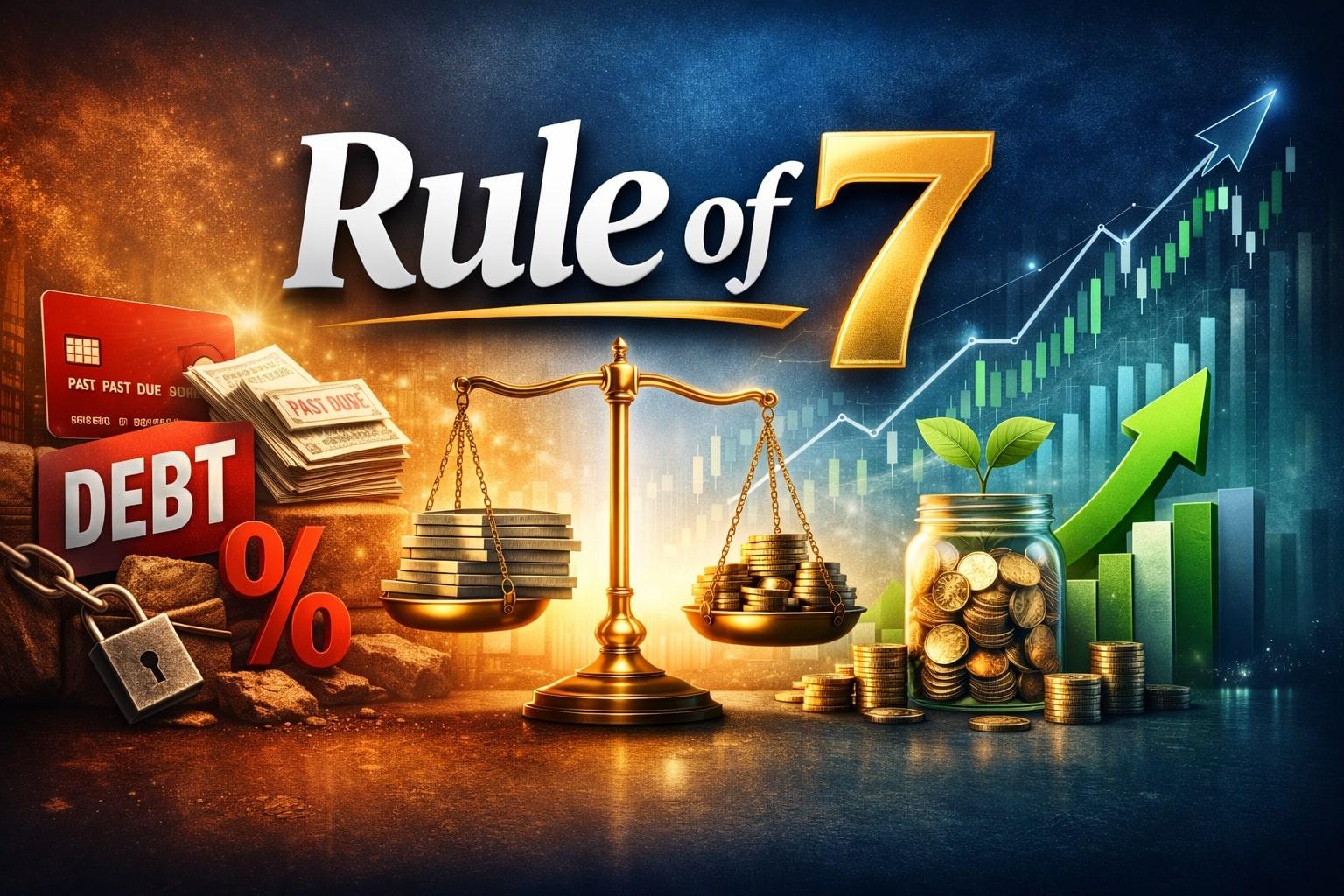
Most people make one silent money mistake that costs them years of progress without ever realising it. It happens when they blindly follow generic advice to invest more or pay off debt faster, without a clear rule to decide which actually comes first. Despite endless finance content online, very few frameworks help you compare a guaranteed return against a market return in a way that is practical, repeatable, and grounded in reality. That gap is exactly where the Rule of 7 quietly sits, offering a simple threshold that cuts through noise, emotion, and financial paralysis. Understand this rule, and you stop guessing with your money and start making decisions that genuinely move your finances forward.
Investing
Want to Stay Ahead in 2026? Here Are 8 ESG Investing Trends You Can’t Afford to Ignore
The investment landscape is entering a defining moment. Sustainability is no longer a niche preference but a force reshaping global capital flows. Major asset managers, regulators, and corporations are all shifting towards measurable ESG impact, accelerating the pace of change. For anyone hoping to build long-term wealth, ignoring these signals would mean missing the direction the world is moving. And in 2026, the trends shaping ESG will determine who stays ahead and who gets left behind.
Personal Finance
The Illusion of Financial Security: Why More Money Isn’t Always the Answer
Chasing higher income feels like the ultimate path to safety. But for many, that bigger paycheck simply fuels bigger spending and deeper financial stress. Research consistently shows that lifestyle inflation erodes the security people thought more money would bring. True stability doesn’t come from earning more, but from building habits that protect and grow what you already have. The real measure of financial security isn’t your income — it’s how you manage it.
Investing
The Future of Investing: 7 Investing Trends Every Young Investor Must Watch in 2026
The way we invest is changing faster than ever before. New technologies, shifting demographics, and evolving global dynamics are rewriting the rules of wealth building. From AI-powered trading tools to the rise of sustainable investing, these shifts are not distant possibilities but already reshaping markets. Investors who stay passive or rely solely on yesterday’s strategies risk being left behind. To thrive in 2026 and beyond, you must understand the key trends that will define the future of investing.
Personal Finance
What Is The 0.01% Rule? The Money Rule You Need To Know Now
You’ve probably hesitated over a £5 coffee or a £20 takeaway, wondering if it’s reckless or harmless. Those small choices often trigger more guilt than the big purchases we plan for. Psychologists call this decision fatigue — the mental drain of second-guessing every pound, which can sabotage even disciplined savers. But what if there were a simple rule that instantly told you whether a purchase was worth stressing over? The 0.01% Rule promises just that — clear guidance for guilt-free spending while you build wealth.
Personal Finance
Living Paycheck to Paycheck? Follow This Proven 8-Steps System to Take Control of Your Finances
Living paycheck to paycheck can feel like running on a treadmill that never stops. No matter how hard you work, your money seems to vanish before the month is over. You’re not alone — millions of young adults face the same financial squeeze, often trapped by rising costs and stagnant wages. But the truth is, breaking free from this cycle isn’t about earning more, it’s about building a system that puts you in control. And with this proven 8-step system, you can finally take charge of your finances and start creating the freedom you deserve.
Investing
The Complete Guide to Tax-Efficient Investing: 6 Proven Steps for Smarter Wealth Growth
Most investors work tirelessly to grow their portfolios, only to see a big chunk of gains disappear to taxes. This hidden drain quietly erodes returns year after year, leaving even disciplined investors falling short of their true potential. In fact, studies show that taxes can easily eat up more of your profits than management fees or market volatility combined. But the good news is that a smart, tax-aware strategy can help you keep more of what you earn without taking on extra risk. Here’s a simple 6-step guide to investing more tax-efficiently — so your money works harder for you, not the taxman.
Personal Finance
Should You Really Cut All Discretionary Spending? Here are 6 Reasons Why Extreme Saving Measures May Hurt Your Financial
What if slashing every non-essential expense could cost you more than you save? Trimming expenses can feel empowering, but cutting every discretionary dollar often backfires. Research shows that such austerity can undermine both growth and quality of life, and numerous studies link extreme saving to increased stress and missed opportunities. By recognizing these overlooked pitfalls, you’ll discover why balance—not sacrifice—is the true path to financial success. After all, thoughtful spending isn’t a luxury—it’s your most powerful tool for building lasting wealth.

Investing
Start Investing in Real Estate: A Complete Guide for Beginners
Property has created more millionaires than almost any other asset class in history. For beginners, the appeal lies in its unique mix of steady income, long-term appreciation, and the ability to leverage other people’s money. Seasoned investors and market data alike show that even small, well-chosen deals can snowball into life-changing wealth over time. Yet with so many strategies, rules, and risks, knowing where to start can feel overwhelming. This guide gives you the clarity, tools, and confidence to make your first move in real estate with purpose.
Investing
What Is Portfolio Rebalancing and Why You Need It? Steal This Proven Framework Now to Keep Your Portfolio on Course
Imagine your portfolio gradually veering off track like a ship lost in rough seas. Unless you regularly rebalance, your asset allocation can drift, exposing you to unintended risks and missed opportunities. In fact, institutions managing trillions in assets rely on disciplined rebalancing strategies to preserve capital and enhance returns. And by implementing a clear, step-by-step rebalancing process, you can maintain the right risk profile and stay focused on your long-term objectives. Are you ready to take charge and keep your investments on the right track?

Investing
Top 8 Economic Indicators Every Investor Needs to Know
Every investor dreams of beating the market, but too often they chase price movements instead of understanding the economic forces at play. Without decoding key economic indicators, your portfolio decisions operate on guesswork, exposing you to unexpected downturns. Years of academic studies and historical crashes reveal that investors who ignore metrics face underperformance and painful drawdowns. By recognizing how these data points interact, you can anticipate market shifts rather than react to them blindly. Mastering these 8 Economic Indicators is the key to transforming uncertainty into strategic advantage.
Investing
Index Investing 101 — The Beginner’s Guide to Wealth Building
Picture your savings quietly growing, almost without effort, while you get on with what matters most. Index investing makes this possible by tracking broad market indices with minimal cost and fuss. In fact, S&P Dow Jones Indices reports that over 65% of active large-cap US equity funds underperformed the S&P 500 in 2024, illustrating the power of passive strategies to deliver steady market returns. Whether you’re saving for a first home or planning your retirement, harnessing index funds can simplify your financial journey and help you stay on track. In this guide, we’ll walk you through exactly how to start index investing with confidence and clarity.
Investing
These 8 Daily Habits Will Secure Your Financial Future
Imagine a future where every small daily decision propels you closer to financial freedom. By adopting these five simple habits, you transform everyday actions into powerful tools for wealth-building. Financial experts and research alike confirm that consistent, mindful practices can compound over time into substantial savings and growth. Integrating these habits into your routine not only stabilises your current finances but also builds a resilient foundation for tomorrow's opportunities. Embrace these transformative habits now to secure the prosperous future you deserve.
Investing
This 6 Proven Investment Strategies Will Protect Your Purchasing Power and Beat Inflation
Inflation is quietly eating away at the purchasing power of your savings. Without proven strategies, every pound you’ve worked so hard to earn risks losing value over time. Financial experts have relied on eight battle-tested approaches to lock in real returns even when prices surge. By applying these targeted tactics, you’ll not only shield your portfolio from inflation’s bite but also position yourself for sustainable growth. Now is the time to discover how to protect your purchasing power and beat inflation once and for all.

Investing
Master Property Valuation in 6 Steps to Identify High-Value Deals And Make Confident Investment Decisions
Ever wondered why some investors consistently unearth hidden property gems while others scramble to break even? The secret lies in a disciplined valuation process that transforms uncertainty into clarity. I have distilled the art of property valuation into six powerful steps. By following this framework, you’ll slice through market noise, mitigate risk, and identify opportunities primed for exceptional returns. Master these steps, and you’ll confidently pinpoint high-value deals that supercharge your investment growth.
Personal Finance
Struggling with Impulse Spending? Here are 6 Psychological Tricks to Control Your Purchases
Are you caught in a cycle of impulsive purchases that leave your wallet empty and your goals unmet? Each unplanned buy not only drains your finances but also undermines your long-term financial security. Backed by extensive research in behavioural economics and psychology, experts have uncovered the hidden triggers behind our spending habits. By recognising and mastering these cues, you can take decisive control over your spending and steer your finances back on track. Discover these 6 powerful psychological tricks to reclaim your financial freedom and transform your purchasing habits today.
Personal Finance
Want to Get Out of Debt Fast? Use These 7 Proven Strategies to Regain Financial Freedom
Imagine waking up each day free from the overwhelming weight of debt. In this blog, you'll discover 7 actionable strategies designed to dismantle your financial burdens. Each approach breaks down complex debt challenges into clear, step-by-step methods. By following this structured roadmap, you’ll see how a systematic plan can restore balance to your finances. Embrace these strategies today and step boldly into a future of lasting financial freedom.
Investing
Turning 30? Here’s the Ultimate Checklist of 6 Financial Milestones You Should Hit
Turning 30 isn’t just another birthday; it’s a pivotal moment that demands a serious look at where you stand financially. Suddenly, you realize you’re no longer in the financial trial-and-error phase, and the stakes have never been higher. In fact, studies show that establishing strong money habits by your early thirties can significantly boost wealth-building opportunities down the road. By focusing on strategic goals now — like building an emergency fund, paying off debt, and investing for the future — you set yourself up for long-term security and success. This guide will walk you through the six essential financial milestones that will help you stride confidently into your next decade.
Personal Finance
Your Ultimate Step-by-Step Guide to Building an Emergency Fund — Even on a Tight Budget
Picture a life where every unexpected expense feels manageable and you're empowered to weather any financial storm. Even on a tight budget, dedicating even small amounts of your income can set the stage for real financial security. Financial experts and real-life success stories consistently prove that steady, mindful saving transforms modest funds into a formidable safety net. By refining your spending habits and embracing strategic budgeting, you gradually build a cushion that stands strong against life's uncertainties. Start today, and unlock the secret to building an emergency fund that turns your financial constraints into lasting strength.

Investing
Price vs. Value: The Two Sides of Investment Thinking
What is something that markets, investors, and even economists often get wrong? It’s the distinction between price and value — a pair of concepts that are often conflated but fundamentally different. While market prices are easy to measure and dominate headlines, the true value of an asset lies in its potential to generate long-term cash flows, a principle rooted in sound financial theory. Understanding this difference is critical because the tools you use to assess an asset can shape your investment decisions and ultimately your outcomes. To succeed, you must learn to balance the short-term clarity of price with the long-term insight of value.
Investing
Looking to Secure Your Financial Future in Your 20s? Here Are 6 Must-Set Goals and How to Achieve Them
Your 20s are the perfect time to lay the groundwork for a secure financial future. Every financial choice you make now can either pave the way to lasting prosperity or set you back for years to come. Top financial experts consistently show that early goal-setting transforms ambitions into tangible wealth, offering proven strategies that have changed countless lives. By focusing on these six essential financial targets, you'll turn uncertainty into a clear, actionable roadmap toward success. Seize this moment to build the financial freedom you deserve and transform your future starting today.
Investing
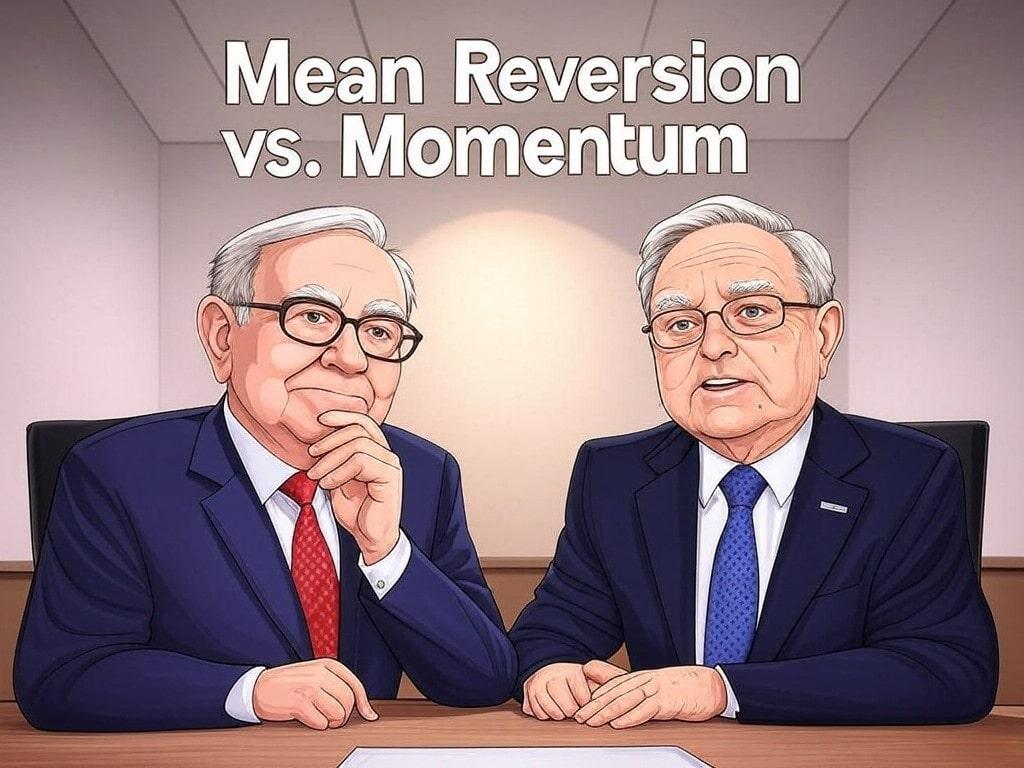
Momentum vs. Mean Reversion: The Investment Paradox Every Investor Must Know
The greatest investors of our time owe their fortunes to two opposing strategies. One thrives on market psychology, riding the waves of momentum, while the other bets on the inevitable return to fundamental value. George Soros and Warren Buffett, icons of these strategies, have repeatedly proven their mastery over decades, defying market norms and academic skepticism. Their contrasting approaches reveal the dual nature of markets — driven by short-term sentiment but ultimately anchored by long-term reality. Understanding this tension is the key to crafting your own investment philosophy.
Investing
Ready to Transform Your Finances? Discover 9 Personal Finance Books That Could Change Your Life in 2025
Struggling to take control of your finances in a world full of money myths and confusion? Finding the right guidance can feel like searching for a needle in a haystack. But what if the answers were hidden in nine game-changing books, written by some of the brightest minds in personal finance and investing? These books have empowered millions to rethink their financial habits and build lasting wealth, offering strategies that truly work. Ready to transform your financial future?
Personal Finance
Looking to Take Charge of Your Finances? Follow These 10 Steps to Create a Personal Budget That Works
Are you tired of feeling like your money disappears without a trace? Creating a personal budget can transform the way you manage your finances and bring clarity to your spending habits. With a proven step-by-step approach, budgeting empowers you to take control of your income, savings, and financial goals. It’s not about deprivation — it’s about designing a plan that works for your lifestyle and sets you up for success. Ready to take charge of your financial future? Let’s dive into the 10 steps to create a budget that truly works.

Investing
Market Efficiency Explained: What Every Investor Needs to Know to Stay Ahead
Markets move fast, but are they predictable? Some believe patterns and trends hold the key, while others argue prices are completely random. Backed by decades of research and groundbreaking theories like the Efficient Market Hypothesis, the truth might surprise you. Understanding the nuances of market efficiency can help you cut through the noise and sharpen your investment strategy. Ready to separate myth from reality and take your investing game to the next level?

Personal Finance
Think You Know Personal Finance? Discover 6 Myths That Might Be Costing You Money
You might think you’re a master of managing money. But what if some of your financial beliefs are actually working against you? Many widely accepted ideas about personal finance are rooted in myths that could be draining your bank account. From budgeting misconceptions to misunderstood investment strategies, these myths are more common — and costly — than you realise. It’s time to separate fact from fiction and take control of your financial future. Here are six myths that might be costing you money — and how to avoid them.

Investing
Active Trading or Passive Investing? Here’s Why Passive Strategies Win in Volatile Markets
Volatile markets can feel like a rollercoaster, leaving investors questioning every move. In such uncertain times, trying to time the market can be as risky as a gamble. History has shown that active traders often get caught in the turbulence, while passive strategies calmly ride out the storm with better long-term results. The data doesn’t lie — time and again, passive investors outperform by sticking to their plans. So, before you make your next move, consider this: sometimes doing nothing is the most powerful strategy of all.
Investing
Aiming to Grow Your Savings? Here are 14 Best Low-Cost Index Funds to Invest in for Long-Term Growth
Building wealth doesn’t have to be complicated. Investing doesn’t require picking individual stocks or timing the market to see solid returns. Instead, by choosing low-cost index funds, you can achieve long-term growth while keeping your expenses minimal — a strategy endorsed by experts and backed by decades of data. These funds offer diversified exposure, reducing risk and maximising potential gains. If you’re serious about growing your wealth steadily over the years, these 7 index funds could be your game-changer.

Investing
Looking to Build Wealth? Discover 10 Tips for Profitable Long-Term Real Estate Investing
Imagine owning assets that appreciate steadily while generating a steady income stream. Real estate isn’t just about owning property; it’s about building a foundation for long-term wealth that grows with you. Historically, property investment has proven to be one of the most resilient ways to accumulate financial security and generational wealth, often outperforming other assets in stability and returns. With the right strategies, you can transform your real estate portfolio into a powerful wealth-building tool that withstands market changes and economic fluctuations. Ready to learn the secrets to profitable long-term real estate investing?
Why A High Credit Score Isn’t Always A Sign Of Financial Health?
A high credit score might seem like the ultimate indicator of financial well-being. However, it’s not always the full picture. Many individuals with excellent scores are heavily reliant on credit or just managing to keep their heads above water. While a good credit score shows you pay your debts on time, it doesn’t reflect your overall savings, investments, or ability to weather a financial storm. True financial health requires more than just managing debt — it’s about building a solid foundation for the future.
Fresh Out of College? Here Are 8 Budgeting Blunders You Need to Avoid
Graduating from university is an exciting milestone, but the thrill of newfound independence can lead to financial missteps. Many new graduates, eager to embrace adulthood, often overlook the importance of careful budgeting. By understanding the common pitfalls, you can take control of your finances early and set yourself up for long-term success. Avoiding these key budgeting mistakes could be the difference between financial stress and financial freedom.
9 Tips You Need to Know to Master the Art of Frugal Living Without Feeling Deprived
Living frugally doesn’t have to mean living miserably. By making a few mindful changes, you can save money without feeling like you’re constantly sacrificing. In fact, some of the wealthiest and happiest people in the world have mastered the art of living well below their means. It’s all about shifting your mindset and focusing on what truly adds value to your life. With the right approach, frugal living can feel freeing rather than limiting.
Investing
Index Funds: Boring But Brilliant? Discover Why They're the Unsung Heroes of the Investment World
Want a simple way to grow your wealth without the stress of picking individual stocks? Index funds might be the answer you didn’t know you needed. These unassuming investment vehicles consistently outperform many actively managed funds while keeping fees remarkably low. Experts like Warren Buffett praise them for their reliability, making them a favourite choice for both beginners and seasoned investors. Sometimes, the “boring” path is the most brilliant one.
Investing
Top 10 Investment Mistakes Even Savvy Investors Make and How to Avoid These Costly Errors
Even the most seasoned investors can fall prey to costly missteps. Despite years of experience and a sharp eye on the market, certain pitfalls can still trap the best of us. These errors, often overlooked, can erode your hard-earned gains faster than you might realise. By understanding and avoiding these common mistakes, you can protect your portfolio and maximise your returns. Let's dive into the top ten investment mistakes even savvy investors make — and how you can steer clear of them.
Financial Literacy
12 Financial Terms Every College Student Needs to Know to Navigate Their Finances Successfully
Starting college is an exciting milestone, but it also brings a new level of financial responsibility. Understanding how to manage money early on can make a significant difference in your financial future. With tuition costs rising and student debt becoming more common, mastering essential financial terms is no longer just an option — it's a necessity. These terms will empower you to make informed decisions, avoid common pitfalls, and set yourself up for financial success during and after your college years. Let's explore the twelve financial terms every college student needs to know to confidently navigate their finances.
Personal Finance
Student Loans: Are We Setting Up a Generation for Financial Failure?
Student loans were once seen as an investment in a brighter future. Today, however, they have become a financial burden that millions of young adults struggle to escape. With student debt reaching record highs and wages failing to keep pace, many are finding themselves financially crippled before they even begin their careers. The promise of higher education is quickly turning into a lifelong repayment plan, delaying milestones like buying a home or saving for retirement. Are we truly preparing students for success, or setting up an entire generation for financial failure?
Personal Finance
6 Credit Card Strategies You Need to Know to Optimize Your Finances
Mastering your credit card usage can transform your financial health. Proper credit card strategies go beyond simple spending; they enhance your credit score and maximize rewards. Expertly managing your cards can lead to significant savings and financial perks that many overlook. Implementing these tactics effectively can put you in control of your financial future, rather than leaving it to chance. Discover the top six credit card strategies that will empower you to optimize your finances and secure your economic well-being.

Investing
Looking Beyond the Stock Market? Explore 7 Alternative Investment Ideas to Diversify and Strengthen Your Portfolio
In a world where the stock market dominates the investment landscape, it's easy to overlook the myriad of opportunities that lie beyond it. While traditional equities have their place, relying solely on them can leave your portfolio vulnerable to market fluctuations. Diversifying with alternative investments not only spreads risk but also taps into potentially lucrative areas that many investors miss out on. From real estate to art and even fine wine, these options offer both stability and growth potential, backed by tangible assets and expert insights. If you’re serious about fortifying your financial future, it’s time to look beyond the stock market and explore these seven compelling alternatives.

Personal Finance
Credit Card Rewards: Are They Just a Trap to Get You to Spend More?
Imagine being offered free flights, hotel stays, and cashback just for using your credit card. It sounds like a win-win situation, right? But behind these enticing offers lies a complex system designed to influence your spending habits. With billions spent on rewards programmes each year, there’s more to these perks than meets the eye. So, what’s the real story behind credit card rewards, and how do they impact your wallet?

Real Estate
Planning to Invest in Property? Discover 6 Effective Ways to Finance Your Real Estate Investments for Optimal Returns
Unlocking the doors to real estate investment doesn't require a fortune. Even with modest means, you can break into the market with the right strategies in place. By leveraging creative financing methods that have been tried and tested by seasoned investors, you can maximise your investment potential. The key lies in understanding and utilising these strategies effectively to structure your real estate deals. In this guide, we'll explore seven proven ways to finance your real estate investments and turn your property dreams into reality.

Investing
Discover 6 Proven Ways to Invest in Emerging Markets to Diversify Your Portfolio and Capture Global Market Opportunities
Imagine unearthing a treasure trove of untapped potential that could transform your investment portfolio. Emerging markets offer precisely that, presenting unique opportunities for substantial growth. By understanding the nuances and identifying the right indicators, investors can leverage these dynamic economies to achieve impressive returns. With insights from seasoned experts and robust economic data, this guide will demystify the process of investing in emerging markets. Dive in to discover six crucial strategies to spot and capitalise on these high-potential investment avenues.
Investing
Why should you include bonds in your portfolio? Here’s How They Provide Diversification and Enhance Returns in Uncertain
In today's volatile financial landscape, the importance of a diversified investment portfolio cannot be overstated. Including bonds in your portfolio not only mitigates risk but also enhances returns, especially in uncertain markets. Historically, bonds have provided a stable income stream and acted as a counterbalance to the fluctuations of equities, offering a dependable safeguard against market turbulence. By incorporating bonds, investors can achieve a more resilient portfolio that is better equipped to weather economic downturns. If you are looking to enhance your portfolio resilience and return, read this.

Real Estate
Ready to Buy Your First Home? Here Are 10 Key Factors Every New Homebuyer Must Consider to Ensure a Smart Purchase
Buying your first home is one of the most significant decisions you'll ever make. It involves careful consideration and planning, impacting both your financial future and your lifestyle. With so much at stake, it's essential to be well-prepared and informed. In this blog, we’ll explore the 10 key factors that will help you make the best choice and ensure your first home is everything you dreamed of. Let's dive in and get you one step closer to your perfect home.

Investing
8 Rules Every Investor Needs to Build a Diversified Portfolio and Achieve Financial Freedom
Investing isn't just about picking the hottest stocks; it's about creating a balanced strategy that stands the test of time. A diversified investment portfolio spreads risk and maximises potential returns, ensuring that your financial future is secure. By following these eight essential rules, drawn from proven financial principles, you'll be equipped to build a robust and resilient investment portfolio. This approach not only mitigates risks but also opens up opportunities for steady growth across different market conditions. Dive in to discover how you can craft a portfolio that withstands market fluctuations and delivers consistent performance.

Personal Finance
Why Should You Care About Financial Discipline? It Empowers You to Take Control of Your Financial Life
Are you tired of feeling financially overwhelmed and out of control? Financial discipline isn't just a buzzword; it's the key to mastering your money and securing your future. Imagine having the confidence to make informed decisions, build wealth, and achieve your financial goals. By embracing financial discipline, you're not just managing your money—you're empowering yourself to take charge of your financial destiny. Start today, and take the first step towards financial freedom and peace of mind.
Personal Finance
11 Essential Budgeting Hacks Every Young Adult Needs to Maximize Their Savings and Transform Your Financial Future
Struggling to save money despite your best efforts? You're not alone, and the good news is, you don't have to be a financial guru to turn things around. With these ten essential budgeting hacks, drawn from expert advice and real-life success stories, you'll discover practical, easy-to-implement strategies that can make a significant impact on your savings. Whether you're aiming to build an emergency fund or just want to have more disposable income, these tips will help you get there. Start your journey to financial freedom today and see how small changes can lead to big savings!
Financial Literacy
7 Critical Risks You Face By Ignoring Financial Education and How to Avoid Them
Ignoring financial education is a ticking time bomb for your finances. The lack of financial literacy can lead to catastrophic mistakes and missed opportunities. In a world where financial pitfalls are everywhere, being uninformed is a recipe for disaster. Equip yourself with the knowledge to navigate these risks and protect your financial future. Don't let ignorance cost you — take control now.

Investing
Is Real Estate the Safest Way to Build Wealth? Here’s Why They Remain a Top Choice for Savvy Investors.
When it comes to building wealth and securing financial stability, real estate remains one of the safest bets. Unlike the volatility seen in stock markets and other investment avenues, real estate consistently offers tangible and reliable returns. With its historical track record of appreciating value and providing passive income through rentals, it’s a proven wealth-building strategy that withstands economic fluctuations.
Investing
6 Types of Bonds Every Investor Should Understand to Build A Well-Diversified Portfolio that Outperforms The Market
Bond investing is an essential skill for any serious investor. Bonds offer a reliable source of income and lower risk compared to stocks, making them a critical part of a balanced portfolio. By mastering the different types of bonds, you'll be better prepared to make informed decisions and secure your financial future. Gain this understanding, and you'll take a significant step toward becoming a more confident and successful investor.

Personal Finance
9 Indicators You Are Financially Fit Under 30 Years Old
Envision a life where financial stress is a thing of the past, all before you turn 30. Achieving this kind of financial stability is not just a dream; it's a realistic goal. Many young adults are already demonstrating exceptional financial acumen and enjoying the peace of mind that comes with it. By identifying these key indicators, you can measure your own financial health and take steps to improve it further. Let's delve into the nine signs that show you're financially fit under 30.
Personal Finance
Is Debt Always Bad? Discover How To Build Your Wealth with Leverage
Is debt a dark cloud looming over your financial future, or could it be the silver lining that accelerates your wealth building? Understanding the true nature of debt can be transformative. Many successful entrepreneurs and investors have leveraged debt to amplify their financial growth and create substantial wealth. By strategically managing debt, you can turn it into a powerful tool rather than a burden. Dive in to discover how mastering leverage can redefine your financial landscape and pave the way to prosperity.
Investing
Top 8 ETFs for Passive Investing to Help You Achieve Financial Freedom
Are you looking for a simple way to grow your wealth without becoming a market expert? Passive investing through ETFs offers just that: a hands-off approach to achieving your financial goals. In this article, we uncover the top 8 ETFs that promise not just to protect your investment but to enhance it, setting you on a clear path to financial freedom. Ready to invest smartly and sleep soundly? Let's dive in.
Financial Literacy
9 Essential Financial Concepts Every Young Professional Needs to Master to Become Financially Literate
What if you could unlock the secrets to financial success with just a few essential concepts? Understanding the essential financial concepts can empower you to make informed decisions and achieve financial independence. Many young professionals overlook the importance of financial literacy, thinking it's complex or irrelevant, yet mastering these concepts early on can set the foundation for a secure and prosperous life. With a little effort, you can demystify the world of finance and take charge of your economic well-being. Start mastering these key financial principles today to pave the way for a financially secure tomorrow.
Investing
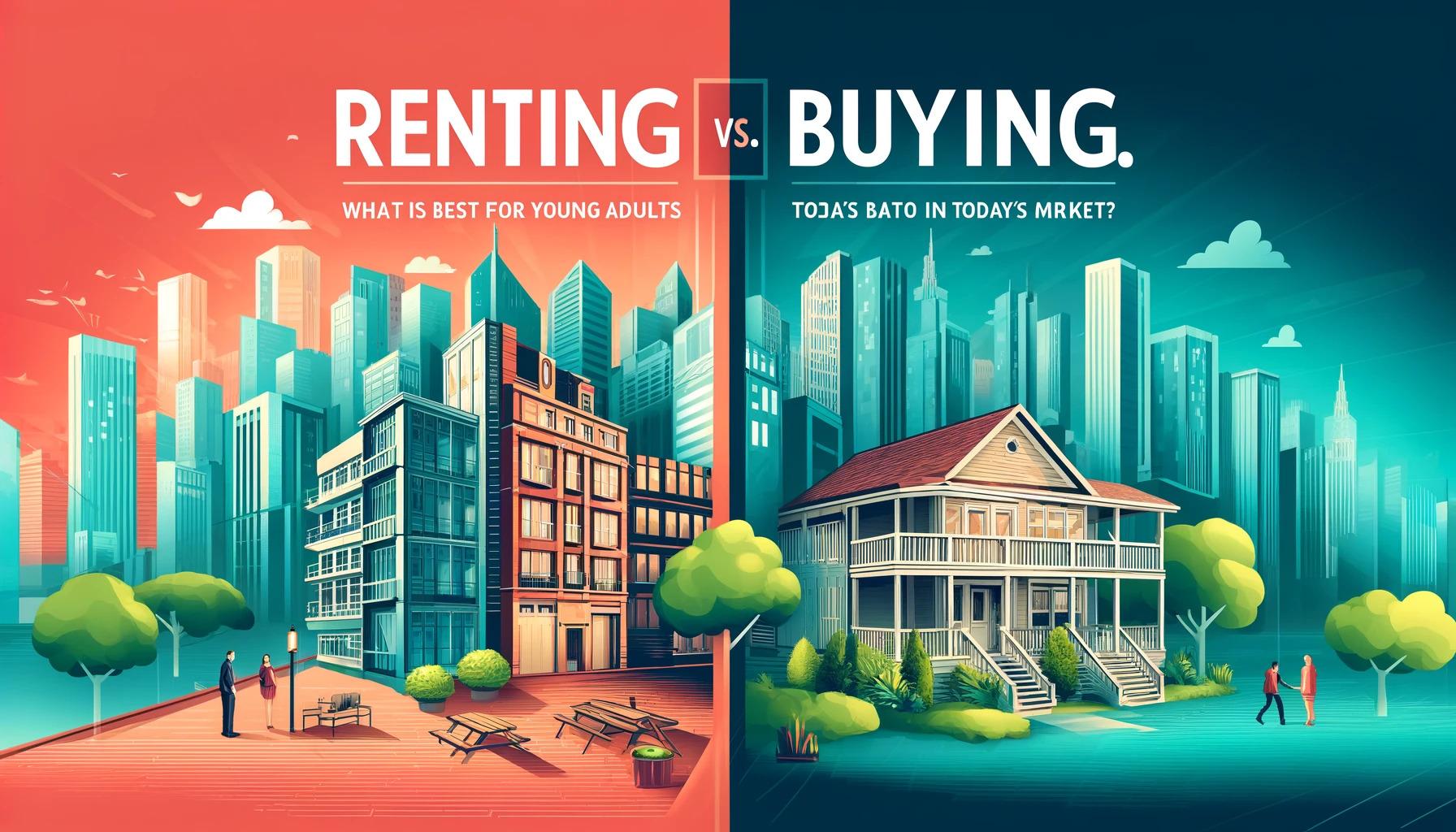
Renting vs. Buying: What’s Best for Young Adults in Today’s Market?
In an era where financial freedom is prized above all, the decision between renting and buying is more than just a lifestyle choice. It's a pivotal financial decision that can define the economic future of young adults. With soaring real estate prices and the unpredictable nature of today’s job market, this choice carries weighty implications. The impact of this decision reaches far beyond immediate affordability, influencing lifestyle freedom and financial stability for years to come. Delving into this debate is not just beneficial—it’s essential for securing a stable and prosperous future.
Personal Finance
8 Essential Financial Habits for Young Adults And How They Can Transform Your Financial Future
Money is more than just currency. It's a tool, a resource that when managed wisely, can transform your quality of life. Most young adults view budgeting as a restriction, but in reality, it's a liberation — freeing you from financial stress and opening doors to new opportunities. Proper money management can turn aspirations like travel, homeownership, or early retirement from dreams into achievable goals. So, if you're ready to take control of your financial future, here are some essential habits that can pave the way to your financial freedom.
Personal Finance
Building Your Safety Net: A Young Adult's Guide to Emergency Funds
Facing the unexpected doesn't have to mean financial turmoil. Discover how a well-crafted emergency fund can be your lifeline in times of need, offering peace of mind and stability when life throws you a curveball. Our guide provides practical steps and essential insights to help you build, maintain, and grow a safety net tailored to your lifestyle and needs. Whether you're navigating job uncertainty, sudden expenses, or just aiming for a more secure financial future, learn how to safeguard your finances against life's unpredictable events. Empower yourself to tackle challenges head-on without compromising your financial health. Start your journey to financial resilience now.
Personal Finance
The Ultimate Guide to Master Your Credit Score
Dream jobs, chic flats, even your car insurance rates—imagine they all hinge on a mysterious three-digit number: your credit score. This enigmatic figure could be the key to unlocking a world of financial possibilities or a barrier to your biggest aspirations. If you're a young adult in the throes of shaping your future, mastering your credit score isn't just smart—it's essential. Dive into our concise guide and transform that number into your most potent financial ally. Unveil the secrets, shatter the myths, and take control of your financial destiny, one digit at a time. Ready to turn the tide in your favor?

Investing
Real Estate Investing Guide for Beginners: How To Get into Real Estate Investing?
Unlock the secrets to financial freedom through real estate investing. This in-depth guide will equip you with the essential insights to proficiently navigate the property market, optimally leverage your financial resources, and explore a diverse range of real estate investment strategies. Learn strategies to maximise returns, minimise risks, and build a continuous income stream that works for you 24/7. Whether you're a recent graduate, an early career professional, or just hungry for financial growth, find out how to turn bricks and mortar into your personal wealth engine.
Personal Finance
What Are The Best Credit Cards for College Students?
Are you a college student looking to build your credit history? Are you interested in getting a credit card but unsure where to start? Understanding credit cards can be daunting, but fear not - this blog has got you covered! From demystifying APRs to outlining the benefits and risks of using credit cards, we break down everything you need to know about credit cards as a college student. Read on to learn how to choose the right credit card for you, how to use it responsibly, and how to build a strong credit score.
Investing
Step by Step Guide: Investing for College Students
Time is the single most powerful factor in investing. So, why wait when you can already start investing in college? If you are a college student thinking about starting your investment journey, read this now!
Investing
Best Books on Personal Finance
“Financial prosperity is impossible without constant planning and management of money,” said Sunday Adelaja. Without the knowledge to manage your money, it is almost impossible to achieve financial success. Plus, what’s a better way to learn than to read from the best of the bests in this particular topic? Here are some of the best books on personal finance that I believe will give you a lift in developing your own personal finance principles that can eventually lead you to financial freedom.
Investing
What is ETF?
ETF is one of the most powerful and most widely used financial products. You have probably heard of ETF, but do you know what it actually is? And how does this financial product work? Worry not, read this now, and we will answer all the questions you have about the ETF in no time.
Investing
Best Investing Books for Beginners
Investing could be a complex and complicated topic to learn, especially if you are just getting started. From my experience, there is no better way to learn than reading. Hence, here are my suggestions on some of the best investment books to help you on your investment journey. It doesn’t matter if you are a beginner in investing, or you are looking to strengthen your investment knowledge, these books can help you a long way.
Investing
How to Start Investing in Stocks?
Robert Kiyosaki once said, "Don't work for money; make money work for you." This perfectly depicts the importance of investing. It is common knowledge that investing is the key to build wealth. However, the golden question is: How to start investing in the stock market?

Investing
What is Passive Investing?
Passive investing is recommended by legendary investors such as Warren Buffet and John Bogle as the best way to invest your money. Why, you asked? Read this article now, and you will understand how passive investing can help you build your wealth easily.
Investing
What is Financial Literacy?
T. Harv Eker once said, "The single biggest difference between financial success and financial failure is how well you manage your money." To master money, you must first manage money. Hence, become financially literate is the best way to solve all your money problems.
Investing
Best Investment Strategies To Learn for Beginners
As Warren Buffet once said, "Risk comes from not knowing what you're doing." In the world of investing, to know what you are doing, you need to have investment strategies of your own. And this article is written for this purpose alone — to help you choose or develop your investment strategies.
Investing
How to value a stock using the Dividend Discount Model (DDM)?
At the time of writing, the price of AT&T (T) is $29.13. Is the stock undervalued, overvalued, or fairly valued? Read this now, and you will know how to answer this question using the Dividend Discount Model (DDM).