Investing
The Dangers of Trend Following: How Chasing the Next Big Thing Can Ruin Investment Portfolios
Education, not financial advice. This page may contain affiliate links: if you buy through one, Alpha Investing Group may earn a commission at no extra cost to you. How we earn money · Editorial policy

Investors are often drawn into the allure of the “next big thing.”
When a new trend sweeps through the markets, be it a hot tech stock, a rallying crypto, or a booming sector, many feel compelled to jump on board. Yet over-reliance on chasing that next wave can prove perilous. Empirical research shows that trend-driven strategies suffer during abrupt market reversals and erode portfolios when sentiment shifts. For instance, a study found that in markets lacking strong directional moves, trend-following under-performed simple buy-and-hold approaches.
Today’s investment landscape rewards discipline and clarity far more than the frenetic scramble for what’s hot.
Before diving into the details, let’s admit something: chasing what’s hot feels good. It gives us a rush, a sense that we’re part of something big. But that thrill usually comes at a price.
In the next sections, I’ll walk through four reasons why chasing trends can quietly wreck portfolios. These aren’t abstract lessons from textbooks; they’re hard-earned truths from market cycles that punished the impatient and rewarded the disciplined. If you’ve ever wondered why your investments underperformed despite “doing everything right,” this is where the answers lie.
1. The FOMO Trap: Why Chasing Hype Leads to Buying High and Selling Low
The urge to jump into the market when everyone else is making money feels almost irresistible.
That impulse is powered by the fear of missing out and herd behaviour. These two forces that have wrecked more portfolios than recessions ever have.
It’s not just emotion; it’s a repeatable pattern of loss baked into human psychology.
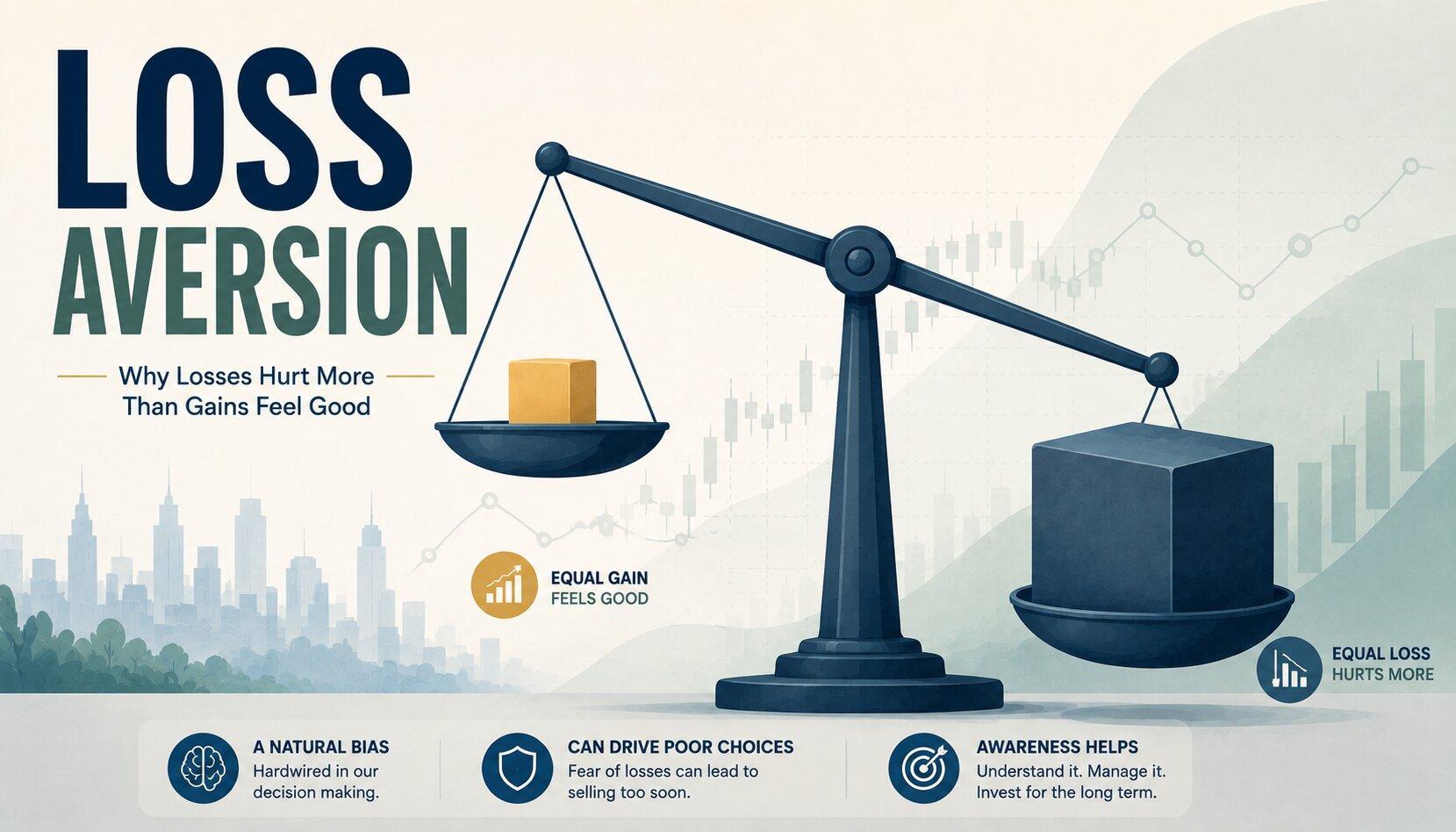
When we buy at euphoric highs and sell at fearful lows, we flip the investing principle on its head.
DALBAR’s 2024 Quantitative Analysis of Investor Behaviour found that retail investors trailed the S&P 500 by over 6% annually, largely due to poor timing. The insight here is painful but liberating: your biggest competitor isn’t the market — it’s your own reaction to it.
Buying high and selling low is the natural end point of emotional investing. And while it feels rational in the moment, every impulse decision chips away at long-term growth.
Markets reward the calm, not the crowd. Compounding rewards patience, not panic.
Missing one rally won’t ruin you, but chasing every one eventually will.
2. Speculation Over Substance: You Risk Ignoring the Fundamentals
Every bull market brings its darlings. These are the sectors, companies, or coins everyone suddenly can’t stop talking about.
The problem is that when excitement replaces analysis, investors start mistaking noise for insight. Fundamentals, such ans earnings, cash flow, competitive advantage, are the only things that hold value after the hype fades. Without them, you’re not investing; you’re gambling on crowd enthusiasm.
A 2025 Investopedia report showed the median retail investor spends barely six minutes researching a stock before buying. That stat should terrify anyone serious about building wealth as it proves how surface-level decision-making dominates today’s markets.
The market always reverts to substance; it just takes time. In essence, speculation might make you feel engaged, but it won’t make you rich. Investors who take the time to understand what they own not only sleep better — they stay invested longer. And that patience is the quiet advantage most traders never develop.
Fundamentals are the compass that stops you from getting lost in the noise. Don’t ever lose sight of them.
3. All-In and All Wrong: Trend Chasing Destroys Portfolio Diversification
Piling into one “can’t-miss” theme may feel bold but it’s financial Russian roulette.
The danger lies in concentration risk, meaning you are overexposing yourself to a single idea or sector.
Once that trend turns, your entire portfolio moves with it, and not in your favour. Think of the 2021–22 tech crash: investors who loaded up on growth names saw 40% to 70% drawdowns while diversified portfolios stayed resilient.
That story repeats every cycle, including the tulip mania, dot-com, crypto. Same psychology, different asset.
What most forget is that concentration doesn’t just magnify losses; it traps your emotions. You can’t rebalance rationally when half your wealth depends on one narrative.
Chasing the “next big thing” quietly unravels diversification. Even if the bet works for a while, you’ve sacrificed stability for excitement. It’s a dangerous trade, because excitement doesn’t protect capital. Diversification does.
Build a portfolio that can survive when your favourite theme can’t.
4. The Illusion of Control: Overconfidence Is the Silent Portfolio Killer
Convincing yourself that you can perfectly time when to enter and exit a hot trend is the oldest self-deception in investing.
It feels empowering, but in reality, it’s just overconfidence dressed as skill. Overconfident investors don’t just misjudge the market; they overtrade, rack up fees, and miss rebounds.
Investors trying to time trends underperformed passive holders by nearly 5% annually. That’s not luck. That’s hubris meeting math. Each attempt to “beat the system” introduces more decision risk: wrong exit, wrong re-entry, wrong conviction. And those small missteps compound faster than you think.
The secret to investing well isn’t precision but restraint. The belief you can outsmart the market is comforting but costly. Every great investor learns the same truth eventually — discipline beats genius.
The more you try to outthink the market, the more it punishes you for it.
Humility compounds returns; ego compounds losses.
So what?
In the end, markets don’t punish ignorance nearly as much as they punish impatience. Chasing trends is the illusion of control in a system built on uncertainty. Real investing isn’t about finding the next big thing; it’s about staying grounded when everyone else loses their footing.
If you want to build lasting wealth, stop trying to catch waves, and start learning how to stand still in the tide.