Investing
Top 10 Investment Mistakes Even Savvy Investors Make and How to Avoid These Costly Errors
Education, not financial advice. This page may contain affiliate links: if you buy through one, Alpha Investing Group may earn a commission at no extra cost to you. How we earn money · Editorial policy

Investing can be a powerful tool for building wealth, but even the most experienced investors aren't immune to mistakes.
These errors, often subtle and insidious, can quietly undermine the best-laid financial plans. Even with years of market experience and a robust understanding of financial strategies, seasoned investors can find themselves caught in common traps. Studies have shown that these mistakes can significantly impact long-term portfolio performance, sometimes wiping out gains that took years to build. That’s why it's crucial to recognise and address these pitfalls before they derail your financial goals. By identifying these issues early, you can safeguard your investments and stay on track toward financial success.
Let's explore the top ten investment mistakes that even savvy investors make — and, more importantly, how you can avoid them.
1. Chasing Past Performance
It's easy to be lured by investments that have recently performed well.
Many investors mistakenly believe that a strong track record guarantees future success. However, markets are inherently unpredictable, and past performance is not a reliable indicator of future returns. Relying on historical success can lead to significant disappointment.
For the savvy investor, understanding that market conditions change is crucial to avoiding this common pitfall.
2. Failing to Diversify
Putting all your money into a single investment might seem like a shortcut to quick gains. Unfortunately, this strategy can backfire if that investment underperforms. Diversification, spreading investments across various assets, reduces risk and increases the likelihood of stable returns. A diversified portfolio is your best defence against market volatility.
As an informed investor, ensuring your portfolio isn't overly reliant on a single asset is key to long-term success.
To explore ways to diversify you investment portfolio, check out my blog on the 7 alternative investment ideas to diversify and strengthen you portfolio.
To learn practical strategies for diversifying your portfolio, be sure to check out my blog on 7 Alternative Investment Ideas to Diversify and Strengthen Your Portfolio.
3. Timing the Market
Many investors believe they can outsmart the market by buying low and selling high.
This approach, known as market timing, is extremely difficult to execute successfully. Research consistently shows that even professionals struggle to time the market correctly, often missing out on key gains. Trying to time the market can result in missed opportunities and unnecessary stress.
Recognising that time in the market beats timing the market is vital for anyone serious about growing their wealth.
4. Ignoring Fees and Costs
The impact of fees and costs on your investment returns can be more significant than you think.
Over time, management fees, transaction costs, and taxes can erode your profits. Many investors overlook these expenses, not realising how much they can accumulate. Every percentage point lost to fees is money that could have been compounding in your favour.
Being vigilant about the costs associated with your investments ensures that more of your money works for you.
5. Emotional Decision-Making
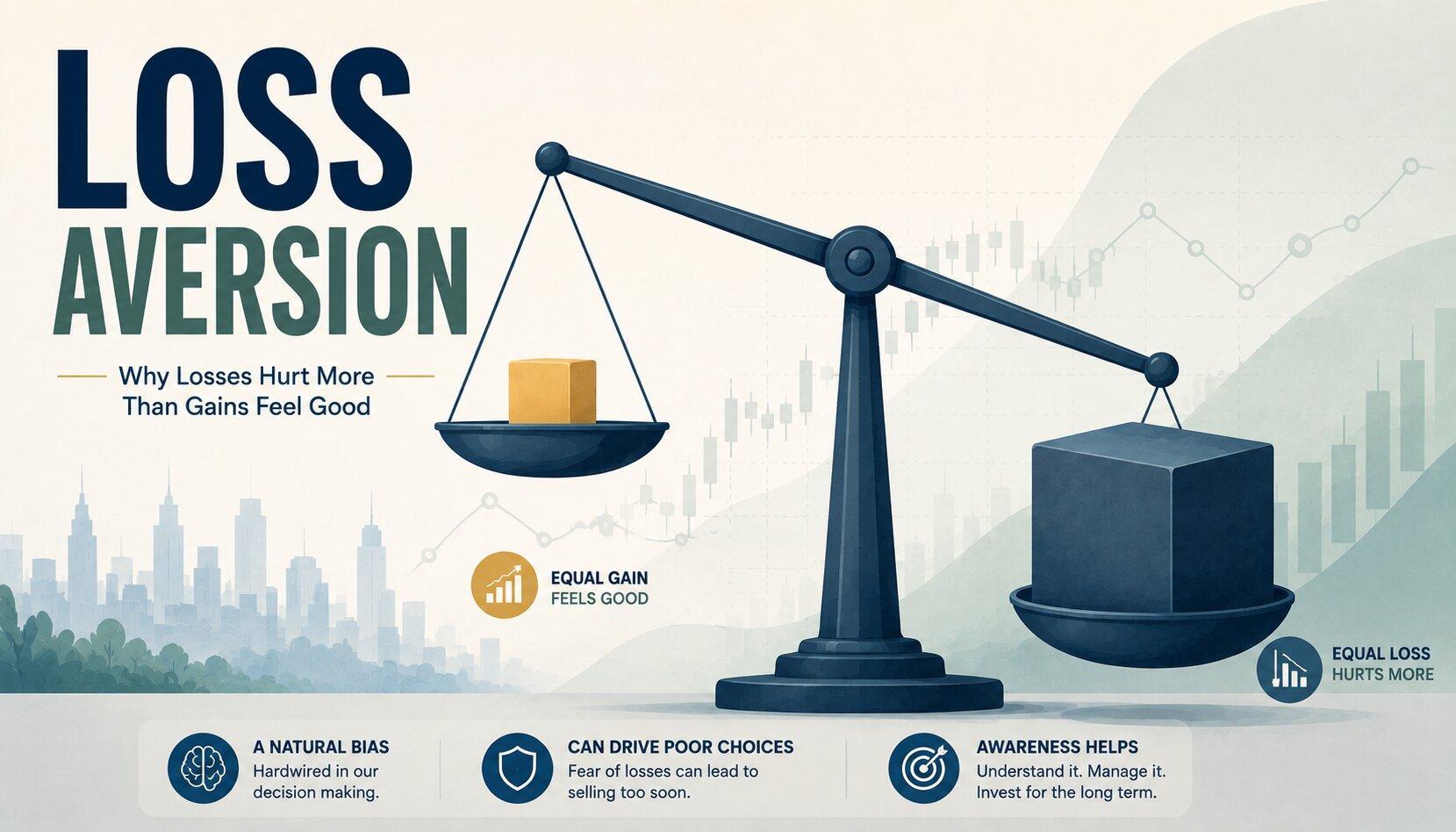
Investing often triggers strong emotions, particularly fear and greed.
These emotions can cloud judgment, leading to impulsive decisions like panic selling during downturns or overbuying during bull markets. Emotional investing undermines rational strategy and can derail your financial goals. Staying disciplined and detached from short-term market fluctuations is essential.
For an investor aiming for long-term success, mastering emotional resilience is as important as choosing the right assets.
6. Lack of a Clear Investment Plan
Without a clear investment plan, your financial journey lacks direction.
A well-thought-out strategy, tailored to your financial goals and risk tolerance, provides a roadmap for making informed decisions. Many investors, however, operate without a plan, leading to inconsistent and often poor outcomes. An investment plan is your blueprint for achieving financial success.
By having a clear plan, you ensure that every investment decision aligns with your long-term objectives, reducing the risk of costly errors.
7. Neglecting to Rebalance
Over time, your portfolio can drift away from its original allocation.
As markets move, certain assets may outperform, while others underperform, skewing your risk profile. Regularly rebalancing your portfolio ensures that it remains aligned with your risk tolerance and investment goals. Rebalancing is crucial for maintaining the integrity of your investment strategy.
For the diligent investor, consistent rebalancing keeps your portfolio on track, reducing unintended risks.
8. Overconfidence
Believing you can consistently outperform the market is a dangerous mindset.
Overconfidence often leads to excessive trading, taking on too much risk, and ultimately, underperformance. Studies have shown that overconfident investors tend to trade more and achieve lower returns. Humility and caution are critical in the unpredictable world of investing.
Recognising your limitations as an investor can prevent costly mistakes and improve your long-term returns.
9. Ignoring Inflation
Focusing solely on nominal returns can be misleading.
Inflation gradually erodes the purchasing power of your money, meaning that your real returns might be much lower than they appear. Many investors overlook this, only to find that their gains don’t stretch as far as they expected. Accounting for inflation is crucial in preserving your wealth over time.
For any investor, understanding the impact of inflation is essential to ensure that your investments truly grow your purchasing power.
10. Underestimating Risk
All investments carry some level of risk, yet many investors fail to fully grasp the potential downsides.
Whether it's market volatility, liquidity issues, or credit risk, underestimating these factors can lead to unexpected losses. A clear understanding of the risks associated with each investment is vital. By thoroughly assessing risk, you can make more informed and safer investment decisions.
For the prudent investor, recognising and managing risk is the foundation of a successful investment strategy.
Conclusion
In investing, even the savviest can stumble — but you don’t have to.
By steering clear of these common mistakes, you position yourself not just to protect your wealth, but to grow it wisely. Remember, successful investing isn’t about outsmarting the market; it’s about avoiding errors that can derail your financial future.
Smart investors know that avoiding pitfalls is just as important as seizing opportunities.