Personal Finance
Building Your Safety Net: A Young Adult's Guide to Emergency Funds
This page may contain some affiliate links. This means that, at no additional cost to you, Alpha Investing Group will earn a commission if you click through and make a purchase. Learn more.
Picture this: You're at your job, thinking about the weekend plans you've been looking forward to. Then, out of the blue, you're called into a meeting and given the news - you're being laid off. In an instant, your steady income stream dries up. This scenario is far from rare. In fact, a recent survey revealed that over 60% of young adults in the UK faced an unexpected financial emergency in the past year alone. But here's the twist: only a handful of them had the savings to cover it without spiraling into debt.
Navigating through life's financial uncertainties requires more than just a hope for the best – it demands a solid plan. That's where an emergency fund comes in. As we dive into this guide, we'll unravel the layers of this critical financial tool, ensuring you're equipped to handle whatever life throws your way without derailing your financial stability. In this guide, you will navigate through:
- What is an emergency fund: Your first step in understanding this critical financial buffer.
- The importance of emergency fund: of Discover how having this fund can be a lifesaver during unexpected financial crises, from job losses to sudden health emergencies.
- How much should be in your emergency fund: Explore how to calculate the right amount for your fund, taking into account your unique lifestyle and financial obligations.
- Steps to building your emergency fund: Learn the practical steps to start and consistently grow your emergency fund, including setting saving goals and finding ways to allocate funds regularly.
- Where to keep your emergency fund: Evaluate the best places to stash your fund for both growth and easy access.
- Common challenges and ways to overcome them: Address the hurdles you might face, such as managing existing debt or low income, and how to overcome them.
- Steps to maintaining and growing your fund: Practical strategies for starting, growing, and preserving your emergency savings.
- Conclusion and next steps: Summarize the key takeaways from the guide, and the key actions to take in building your own emergency fund.
Whether you're a fresh graduate stepping into the world of work, an early-career professional facing the unpredictability of modern job markets, or simply someone striving for greater financial stability, this guide is your comprehensive manual to creating and maintaining an emergency fund. Let’s embark on this journey of financial empowerment, ensuring you're ready to face life's unforeseen challenges with confidence and resilience.
What is an emergency fund?
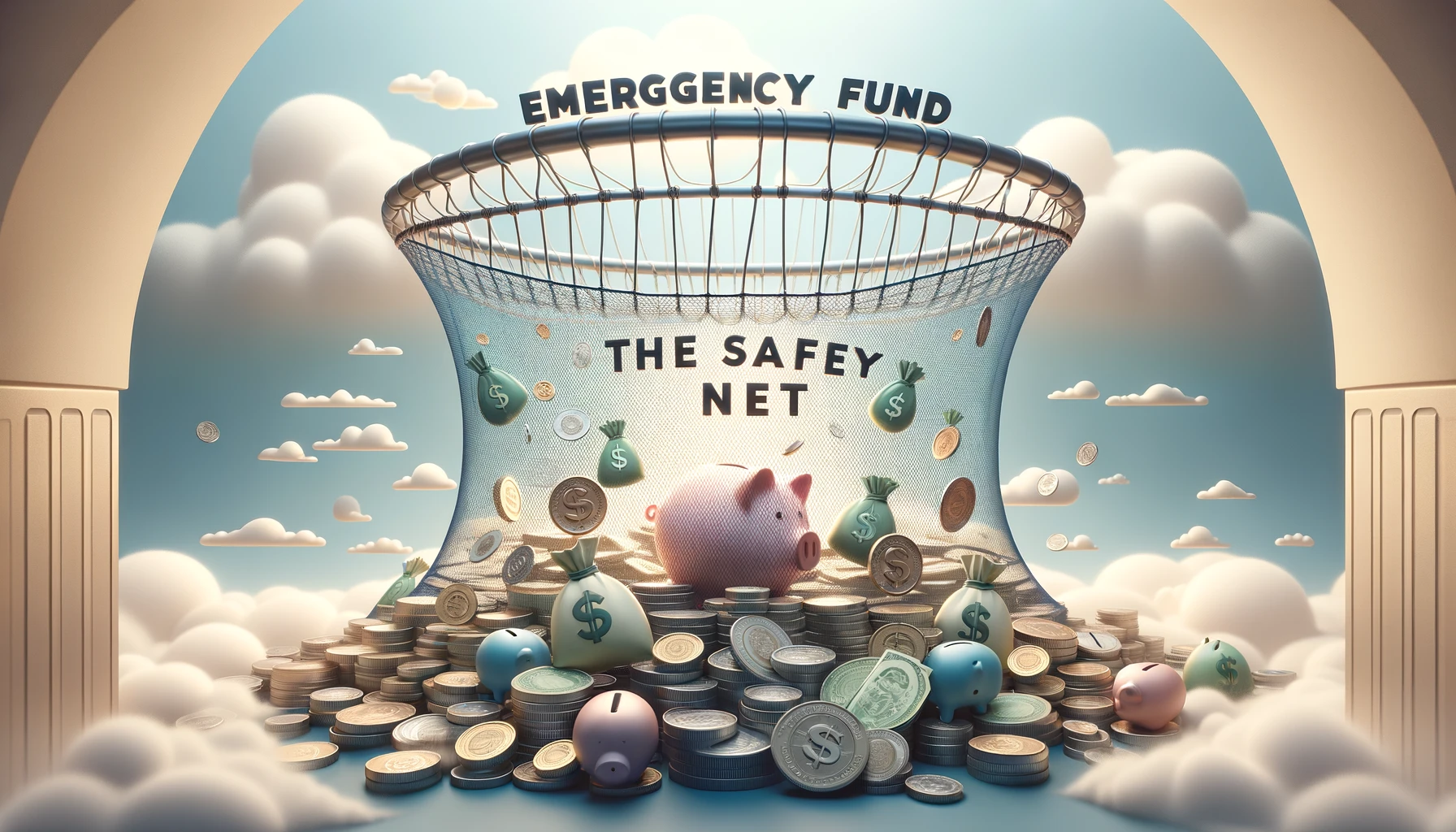
An emergency fund is your financial safety net, set aside for life's unexpected turns. It's not just another savings account; it's a dedicated reserve to cushion you against unforeseen expenses that life throws your way – like a sudden job loss, a medical emergency, or an urgent home repair. These are not your routine expenses or the foreseeable costs we all plan for. They're the kind of events that come out of the blue, shaking your financial stability.
This fund is more than a sum of money; it's peace of mind. It's knowing that when the unexpected happens, you're prepared. It's the difference between a temporary hiccup and a financial freefall. The key to an effective emergency fund is liquidity – your money needs to be readily accessible. You don't want it tied up where it's out of reach when you need it most, creating additional stress in already challenging times.
In essence, an emergency fund stands as a bulwark against life's financial uncertainties. It's not a matter of if you'll need it, but when. By setting aside this fund, you're not just planning financially; you're ensuring that when life inevitably throws a curveball, you have the means to catch it without losing your financial footing. It's a fundamental step towards a secure financial future, where your decisions are driven not by immediate crises but by long-term goals and stability.
The importance of an emergency fund
In the grand chessboard of personal finance, an emergency fund is your strategic defence. It’s not just a financial tool; it’s a buffer against life’s uncertainties. The importance of having this fund can't be overstated – it’s the difference between weathering a storm and being capsized by it.
Consider this: life is unpredictable. A job loss, an unexpected medical bill, or a sudden necessary home repair can occur without warning. In these moments, an emergency fund acts as a lifeline. Without it, you may be forced into unenviable choices – like racking up credit card debt, draining your long-term savings, or even borrowing at high interest rates. Each of these options can lead you down a path of financial distress that's hard to reverse.
But an emergency fund does more than just provide monetary backup. It offers peace of mind. Knowing you have a financial cushion allows you to handle life’s surprises with a level head, without the added pressure of immediate financial ruin. This psychological benefit is as tangible as the financial one – it reduces stress and anxiety, which can be invaluable during tough times.
Moreover, it’s a foundational step towards financial independence. With an emergency fund, you’re not living paycheck to paycheck. You have the breathing space to make thoughtful decisions, plan for the future, and take calculated risks – whether that's pursuing a new career opportunity, investing in further education, or exploring entrepreneurial ventures.
In essence, an emergency fund is not just about safeguarding your finances; it’s about securing your freedom and your future. It empowers you to navigate life’s unpredictable waters, not as a passive victim of circumstances, but as an adept and prepared sailor.
How much should be in your emergency fund?
In 2023, although 78% of people have emergency, 54% of people in the US have emergency fund that is less than $1,000. This is not enough to cover most expense.
According to Bankrate’s 2024 Annual Emergency Savings Report, newer generations are increasingly neglecting the importance of emergency fund, and focus more on instant gratification. As shown evidently in the graph below, while only 15% of the Baby Boomers have no emergency fund, this number has more than doubled to 31% for Gen Z.
| Group | Baby boomers | Gen X | Millennials | Gen Z |
|---|---|---|---|---|
| No emergency savings | 15% | 22% | 27% | 31% |
| Less than 3 months’ expenses | 20% | 35% | 32% | 41% |
| 3 to 5 months’ expenses | 18% | 16% | 20% | 16% |
| More than 6 months’ expenses | 47% | 26% | 21% | 13% |
Deciding the size of your emergency fund is a crucial exercise in balancing prudence with practicality. Common financial wisdom suggests saving between three to six months' worth of living expenses. However, this is not a one-size-fits-all rule. The ideal amount hinges on your unique life circumstances and financial situation.
Consider your job stability: are you in a field with high turnover, or is your position more secure? Factor in your lifestyle: do you have dependents relying on your income? Reflect on your monthly expenses: what are the absolute essentials you must cover? These questions guide you to a figure that's not just a generic benchmark, but a tailored fit for your life.
For someone single, without dependents, and in a stable job, three months’ worth might suffice. But if you have a family, fluctuating income, or work in a volatile industry, aiming for six months or even more is prudent. This fund isn't about reaching an arbitrary number; it’s about ensuring enough cushion to tide you over without financial distress.
It's also wise to reassess your emergency fund periodically. Life changes – a new family member, a shift in career, a move to a more expensive city – all warrant a re-evaluation of your fund. What was adequate a year ago might not suffice now.
Remember, building an emergency fund is a journey. Start small if you must, and gradually build it up. The goal is not to amass a fortune overnight but to create a buffer that grows steadily, ensuring you're always one step ahead of life's financial surprises.
Steps to building your emergency fund
Building an emergency fund may seem daunting, but it's achievable with a structured approach. Here are the steps to guide you through the process:
- Assess your financial situation: Start by taking stock of your current finances. This means understanding your income, expenses, debts, and any other financial obligations. Knowing where you stand financially is crucial for setting a realistic savings goal.
- Determine your target amount: Based on your assessment, decide how much you need in your emergency fund. While the standard advice is to save three to six months' worth of living expenses, your target should reflect your personal circumstances, such as job stability, health considerations, and family responsibilities.
- Set a monthly saving goal: Break down your target amount into manageable monthly or weekly savings goals. This makes the process less overwhelming and more achievable. For instance, if your goal is to save £3,000 in a year, you need to save about £250 each month. You can set up an automatic transfer to your emergency fund from your checking account every month after you receive your salary, or pocket money if you haven’t started working. Automating the process ensures you consistently save without having to think about it each month.
- Create a budget: Implement a budget that accommodates your emergency fund contributions. Identify areas where you can cut back on spending and redirect that money into your savings. This might mean dining out less, reducing entertainment expenses, or cutting down on non-essential purchases. You can also consider additional income streams or one-off contributions to your fund. This could include taking on freelance work, selling unused items, or using any windfalls like tax refunds or bonuses.
- Regularly review and adjust: Life changes, and so will your financial needs. Regularly review your emergency fund and adjust your saving goals accordingly. If your expenses increase, you might need to save more, or if you achieve greater job security, you might adjust the total amount you’re aiming for.
- Stay disciplined, but be flexible: Building an emergency fund requires discipline, but also flexibility. There might be months where you can’t save as much as planned, and that’s okay. The key is to stay committed to the process and keep moving forward.
By following these steps, you're not just saving money; you're investing in your financial security. Each contribution is a step towards peace of mind and a safeguard against life’s unpredictable challenges.
Where to keep your emergency fund
Choosing the right place to keep your emergency fund is as crucial as building it. The ideal location balances accessibility, safety, and growth. Here are some options to consider:
- High-interest savings accounts: A high-interest savings account offers a safe place to store your emergency fund while earning some interest. Look for accounts with competitive interest rates, no monthly fees, and easy access to your funds.
- Money market accounts: These accounts typically offer higher interest rates compared to standard savings accounts and often come with check-writing privileges. They’re an excellent option for keeping your emergency fund both growing and accessible.
- Cash ISAs: If you are based in the UK, Cash Individual Savings Accounts (ISAs) can be a good option. They offer tax-free interest, although they might have limits on how much you can deposit each year.
- Notice savings accounts: These accounts may offer higher interest rates, but require you to give notice (e.g., 30 to 90 days) before withdrawing funds. If your emergency fund is sizable and you're building a secondary ‘immediate access’ fund, this can be a good option for a portion of your savings. This is, however, not the best option if you are building your first emergency fund as it is lower in liquidity, and you may be charged with a penalty if you need to access the money before the notice period.
- Fixed rate bonds: For a portion of your emergency fund, consider fixed-rate bonds. They typically offer higher interest rates in exchange for locking in your money for a set period. This could be part of a strategy where only a portion of your emergency fund is placed here, with the majority in more accessible accounts. You should be cautious not to put everything in here as, although they are considered to be stable investments, fixed-rate bonds’ valuation is still subjected to market conditions.
| Liquidity | Growth | Risk | |
|---|---|---|---|
| High-interest savings accounts | High | Low | Low |
| Money market accounts | Medium | Medium | Medium |
| Cash ISAs | High | Low | Low |
| Notice savings accounts | Medium | Medium | Low |
| Fixed rate bonds | Low | High | High |
Remember, liquidity is key. You need to be able to access your emergency fund quickly and without penalty in case of an unexpected expense. Diversifying where you keep your fund can also be a strategy – having immediate access to a portion and the rest in accounts that yield higher interest. Regularly review your choices to ensure they align with your current financial situation and the interest rate environment.
Ultimately, the best place for your emergency fund is where it serves its purpose – readily available when you need it, yet growing when you don’t.
Steps to maintaining and growing your fund
Once you’ve established your emergency fund, the next challenge is to maintain and grow it. Here’s how you can ensure your emergency fund stays healthy and continues to serve its purpose:
- Regular reviews: It's essential to recognize that your emergency fund isn't a set-and-forget part of your finances. Life’s changes can significantly impact your financial requirements. Regularly reviewing your fund means assessing it at least annually or following major life events. These events could include a salary change, a new family member, moving to a different city with a higher cost of living, or any other situation that affects your financial landscape. When reviewing, ask yourself if your fund still covers an adequate number of months of living expenses. If your expenses have gone up but your fund hasn’t, it may no longer provide the safety net you need.
- Increase contributions with income changes: Treat any increase in your income as an opportunity to bolster your emergency fund. For example, if you receive a 5% raise at work, consider adding a portion of that raise to your emergency fund contribution. The same applies to bonuses, tax refunds, or any unexpected windfalls. This approach ensures that as your lifestyle potentially expands with your income, your emergency fund grows proportionally, continuing to provide adequate coverage.
- Replenish the fund after use: The primary purpose of your emergency fund is to be there when you need it. However, once you dip into it, it’s important to prioritize restoring it to its full strength. After an emergency, reassess your budget to find ways to replenish the fund. You might temporarily cut back on discretionary spending or redirect savings from other goals. Think of it as refilling a hole in your financial defence; without it, you're vulnerable to the next unexpected event.
- Explore growth opportunities: Your emergency fund should be easily accessible, but that doesn’t mean it can’t earn a return. For amounts above the immediate liquidity need, consider low-risk investments that can offer better returns than a regular savings account. Options like high-interest savings accounts, money market accounts, or short-term bonds can provide a balance between growth and accessibility. However, always be cautious about the risk involved and avoid tying up your funds in investments that may not be easily convertible to cash.
- Inflation adjustment: Inflation can erode the value of your savings, and low-interest rates mean your money may not grow much in a traditional savings account. To combat this, diversify the types of accounts used for your emergency fund. Consider a mix of accounts, some offering higher interest rates or linked to inflation rates. Regularly review the interest rates and inflation trends and adjust where you keep your emergency fund accordingly to ensure it maintains its value over time.
- Stay informed and adapt: The financial world is always evolving, with new products and services that can benefit your emergency fund. Stay informed about the latest financial trends, interest rates, and saving tools. Regularly compare your current emergency fund’s location with new options available in the market. If a more advantageous account or investment comes up, don’t hesitate to shift your funds. However, always ensure that any new platform or investment aligns with your need for security and easy access.
By following these steps, you can maintain a robust emergency fund that not only covers unexpected expenses but also grows over time. This fund is more than just a safety net; it's a key component of your overall financial health and stability.
Common challenges and ways to overcome them
Building an emergency fund is a crucial step in financial planning, but it's not without its challenges. Here are some common hurdles and strategies to overcome them:
- Lack of discipline: Building an emergency fund requires a consistent and disciplined approach. The key is to automate your savings. Set up a direct debit from your main account to your emergency fund right after payday. This ensures that a portion of your income is saved before you have the chance to spend it. Additionally, treat your emergency fund contribution as a fixed expense, just like rent or utility bills. By prioritizing it in your budget, you reinforce the importance of this financial safety net, helping to resist the temptation to skip or reduce the amount you save.
- The temptation to dip into the fund: It's common to be tempted to use emergency funds for non-critical expenses. To avoid this, physically separate your emergency fund from your regular checking account. Consider using a different bank or an account type that isn't easily accessible. Label the account clearly as an 'Emergency Fund' to remind yourself of its purpose. Setting clear rules for what constitutes an emergency (e.g., unexpected medical expenses, urgent car repairs, job loss) can also help you resist the urge to dip into these funds for impulsive purchases or non-urgent needs.
- Low income and high expense: Saving on a tight budget can be challenging but not impossible. Start by scrutinizing your monthly expenses to identify areas where you can cut back. Small changes, like preparing meals at home instead of eating out or canceling underused subscriptions, can free up funds. Even saving small amounts regularly can make a significant difference over time. To supplement your income, consider exploring side hustles or freelance opportunities that align with your skills and schedule. This not only boosts your savings capacity but can also add a layer of income security.
- Debt management: Balancing debt repayment with emergency savings is a common financial dilemma. Prioritize paying off high-interest debts, as the interest can compound quickly and exceed any potential earnings from savings. However, it’s also important to simultaneously build a modest emergency fund. This approach prevents you from falling further into debt should an emergency arise. As your debt levels decrease, gradually increase your emergency savings rate.
- Complacency after reaching the goal: Reaching your emergency fund goal is a significant achievement, but it's not the end of your financial journey. Regularly reassess your emergency fund as your financial situation evolves. Changes in your income, living situation, or family dynamics might necessitate an increase in your fund. Additionally, as your income grows, proportionally increase your emergency fund to ensure it continues to cover your expenses adequately. This ongoing process helps ensure your emergency fund remains relevant and sufficient for your current lifestyle.
Remember, building an emergency fund is a marathon, not a sprint. It requires patience, commitment, and a bit of financial savvy. By recognizing and addressing these challenges head-on, you're well on your way to securing your financial safety net.
Conclusion and next steps
As we conclude this journey through the essentials of building and maintaining an emergency fund, remember that this fund is more than just a financial reserve – it’s a cornerstone of your financial peace and security. The steps we’ve outlined are not merely guidelines; they are instrumental in forging a path towards financial resilience and independence.
Starting and growing an emergency fund may seem challenging, but the peace of mind and stability it provides are invaluable. Every contribution, no matter how small, is a step towards safeguarding yourself against life’s uncertainties. Your future self will thank you for the foresight and discipline you exhibit today.
Recent studies from Bankrate has shown that people in the higher income brackets tends to value their emergency funds more and have more sound emergency savings. This is because they usually have more discipline and understand the importance of risk management.
| Income bracket | Percentage without emergency funds | 3 months’ or more expenses | 6 months’ or more expenses |
|---|---|---|---|
| Under $50,000 a year | 37% | 28% | 16% |
| $50,000 - $74,999 | 18% | 49% | 29% |
| $75,000 - $99,999 | 10% | 61% | 41% |
| $100,000 a year or more | 5% | 75% | 50^ |
Now, the ball is in your court. Take the first step – assess your finances, set a realistic goal, and begin your journey to financial security. Remember, the best time to start was yesterday; the next best time is now.
We encourage you to share this guide with friends and family who may also benefit from building their own financial safety net. If you have any questions, experiences, or insights you’d like to share, please leave a comment below. Your feedback not only helps us but also creates a community of like-minded individuals striving for financial well-being.
Your journey towards a secure financial future begins today. Are you ready to take the first step?
FAQs
How much emergency fund should I have?
It's generally recommended to save between three to six months' worth of living expenses in your emergency fund. The exact amount can vary based on your personal circumstances, including job stability, health, and dependents.
Where should I put my emergency fund?
Your emergency fund should be kept in a safe and accessible account, such as a high-yield savings account or a money market account, ensuring it earns some interest while being readily available when needed.
How to build an emergency fund with low income?
Start by setting a realistic saving goal, even if it's a small amount. Cut back on non-essential expenses, consider additional income sources, and prioritize saving by making it an automatic part of your budget.
What is the goal of an emergency fund?
The primary goal of an emergency fund is to provide financial security by covering unexpected expenses without the need to incur debt. It acts as a buffer against life's unforeseen events, such as job loss, medical emergencies, or urgent home repairs, ensuring you can manage these situations without compromising your long-term financial health.
Why should creating an emergency fund be a top priority?
Creating an emergency fund should be a top priority because it's foundational to financial stability. It protects against the stress and financial strain of unexpected events, allows you to make decisions without the pressure of immediate financial constraints, and prevents the need to rely on high-interest debt options, preserving your financial well-being and future plans.
Is it necessary to have an emergency fund if I already have investments or insurance?
Yes, because investments may not be readily accessible and could incur losses if sold in a hurry, and insurance may not cover all types of emergencies or immediate expenses.
What should I do if I need to use my emergency fund?
Withdraw only what you need for the emergency, and prioritize replenishing the fund as soon as possible to restore your financial safety net.
How often should I review my emergency fund?
Review your emergency fund at least annually or after significant life changes (e.g., a new job, a move, or a change in family status) to ensure it still meets your needs.