Investing
Active Trading or Passive Investing? Here’s Why Passive Strategies Win in Volatile Markets

This page may contain some affiliate links. This means that, at no additional cost to you, Alpha Investing Group will earn a commission if you click through and make a purchase. Learn more.
In times of market turmoil, many investors are tempted to take drastic action.
It’s understandable — when stock prices swing wildly, the instinct to protect your money kicks in. Yet, chasing gains or reacting to market drops often leads to costly mistakes. Research consistently shows that those who stick to passive investing strategies tend to come out on top. In fact, over a 20-year period, nearly 90% of actively managed funds underperform their passive counterparts. The reason is simple: markets are unpredictable, and trying to outsmart them often results in higher fees and lower returns. Instead, a steady, long-term approach allows compounding to do its magic, regardless of short-term noise.
Ultimately, in a world of market uncertainty, patience isn't just a virtue — it’s a winning strategy.
1. Avoiding Emotional Decisions: Staying Put During Market Panic
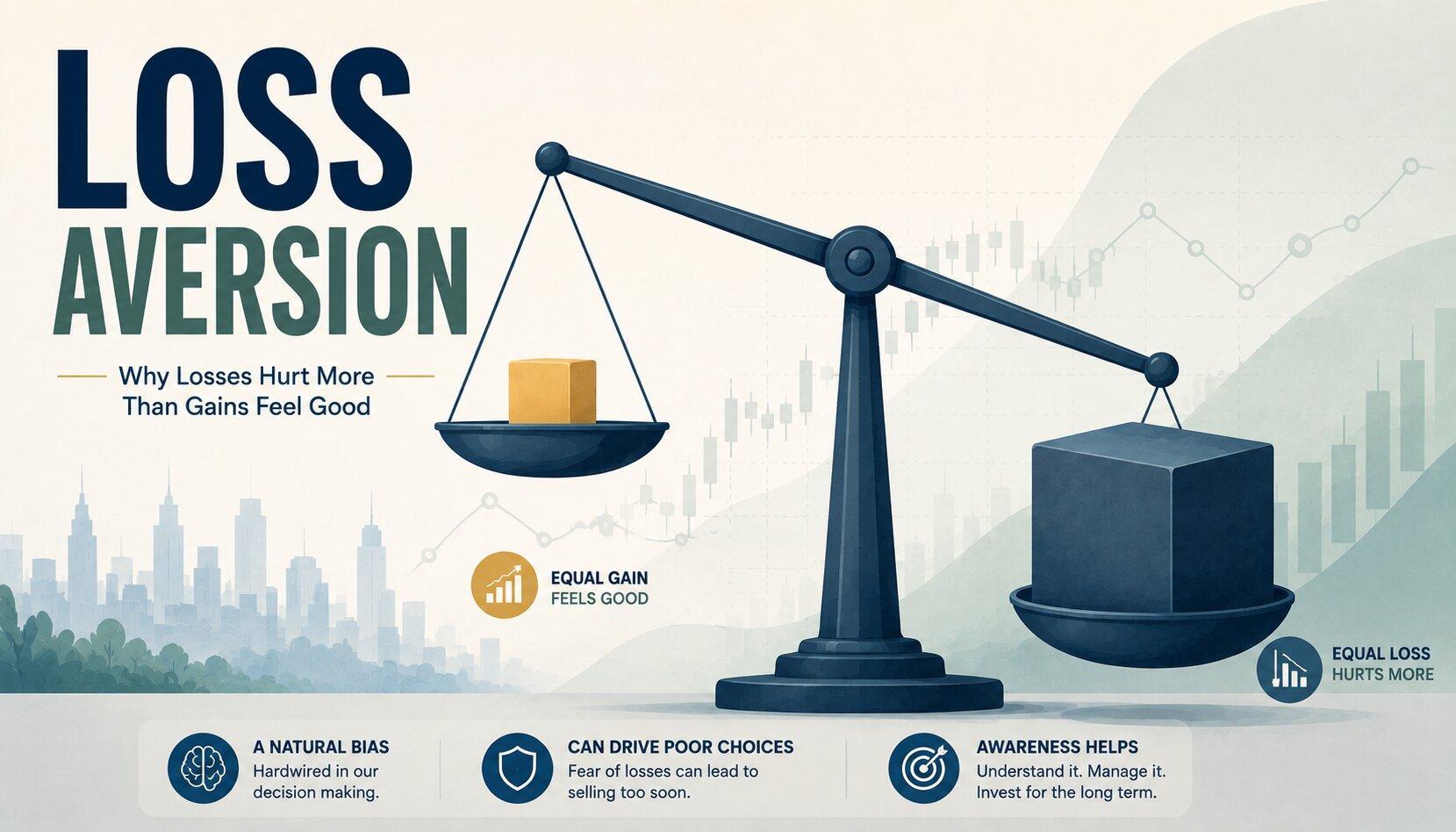
Panic selling is one of the most common mistakes investors make during market downturns.
When prices plummet, it’s only natural to want to cut your losses, but this emotional response often leads to selling at the worst possible moment. If you’re investing in quality assets like the S&P 500, history has shown that the market eventually rebounds.
When the market crashed in March 2020 due to the COVID-19 pandemic, many panicked investors sold their stocks. However, those who stayed the course saw the S&P 500 recover all its losses and more by the end of the year. Research by Vanguard found that investors who stayed invested in a diversified portfolio during crises were rewarded with higher long-term returns compared to those who tried to time their exits. Resisting the urge to sell in panic is crucial because markets are cyclical and always recover over time.
The takeaway here is clear: selling when your investments are at their lowest point locks in losses and prevents you from benefiting when the market rebounds.
Staying calm and sticking to your investment plan is often the most effective way to protect your wealth.
2. Consistent Performance: Playing the Long Game Pays Off
While active trading might sound exciting, the reality is that it rarely delivers the consistent performance of a passive strategy.
By trying to beat the market, active traders often end up missing out on gains and increasing their risk. On the other hand, passive strategies aim to match the market's performance, which is surprisingly hard to beat over time.
For instance, a study by Standard & Poor’s found that 90% of actively managed equity funds underperformed their benchmark index over a 15-year period. Even highly skilled fund managers struggle to consistently outperform the market due to its unpredictable nature. Over the past decade, passive investors who simply held onto broad index funds like the S&P 500 have enjoyed higher returns than those who chased hot stocks or trends. Consistency in returns, even if it seems less exciting, often leads to better outcomes over the long haul.
Passive strategies provide a smooth and steady ride, which helps investors build wealth without the stress of constantly second-guessing their investments.
In the world of investing, slow and steady truly wins the race.
3. The Cost of Frequent Trading: Hidden Fees and Taxes Add Up
Active trading may seem like a way to maximise returns, but every transaction comes with a price.
The more you buy and sell, the higher your trading fees and capital gains taxes become. These hidden costs can significantly eat into your profits over time, making active trading less lucrative than it initially appears.
For example, a report by Morningstar revealed that frequent traders can lose up to 1.5% of their returns annually due to transaction fees and taxes. Additionally, short-term capital gains are taxed at a higher rate than long-term investments, reducing your net returns even further.
The constant buying and selling also prevent your investments from benefiting from the compounding effect. Passive investors, who trade far less frequently, incur much lower costs, which allows them to keep more of their returns. This difference in costs can add up to thousands of pounds over the course of a few years.
By reducing the frequency of your trades, you can protect your investments from being drained by fees and taxes, allowing your portfolio to grow more effectively.
4. Market Timing: A Gamble You’re Unlikely to Win
Trying to time the market is a losing game, even for seasoned investors.
The idea of buying low and selling high is enticing, but the reality is that predicting market movements is nearly impossible. Even professional fund managers often miss the mark, which should give individual investors pause before attempting it.
Consider this: a study by J.P. Morgan found that missing just the 10 best trading days in a 20-year period could slash your total returns in half. That’s because the market’s biggest gains often occur on a handful of unpredictable days, usually during or right after a downturn. For instance, during the 2008 financial crisis, some of the strongest gains came in the days following the biggest drops. Trying to time the market means you risk missing these crucial rebound days, which can drastically affect your overall returns.
The reality is that no one, not even the experts, can consistently predict when the market will rise or fall.
Staying invested through the ups and downs is the most reliable way to capture the market’s long-term growth.
So what?
In volatile markets, trying to outsmart the market with active trading is often a losing game.
The evidence is clear: passive investing, with its low costs, disciplined approach, and focus on the long term, consistently outperforms frantic attempts to chase gains or time the market. Instead of reacting to every market swing, trust in the strategy that has proven time and again to build real wealth — patience and staying the course.
The smart money knows that in investing, sometimes doing nothing is the most powerful move of all.