Why A High Credit Score Isn’t Always A Sign Of Financial Health?
This page may contain some affiliate links. This means that, at no additional cost to you, Alpha Investing Group will earn a commission if you click through and make a purchase. Learn more.
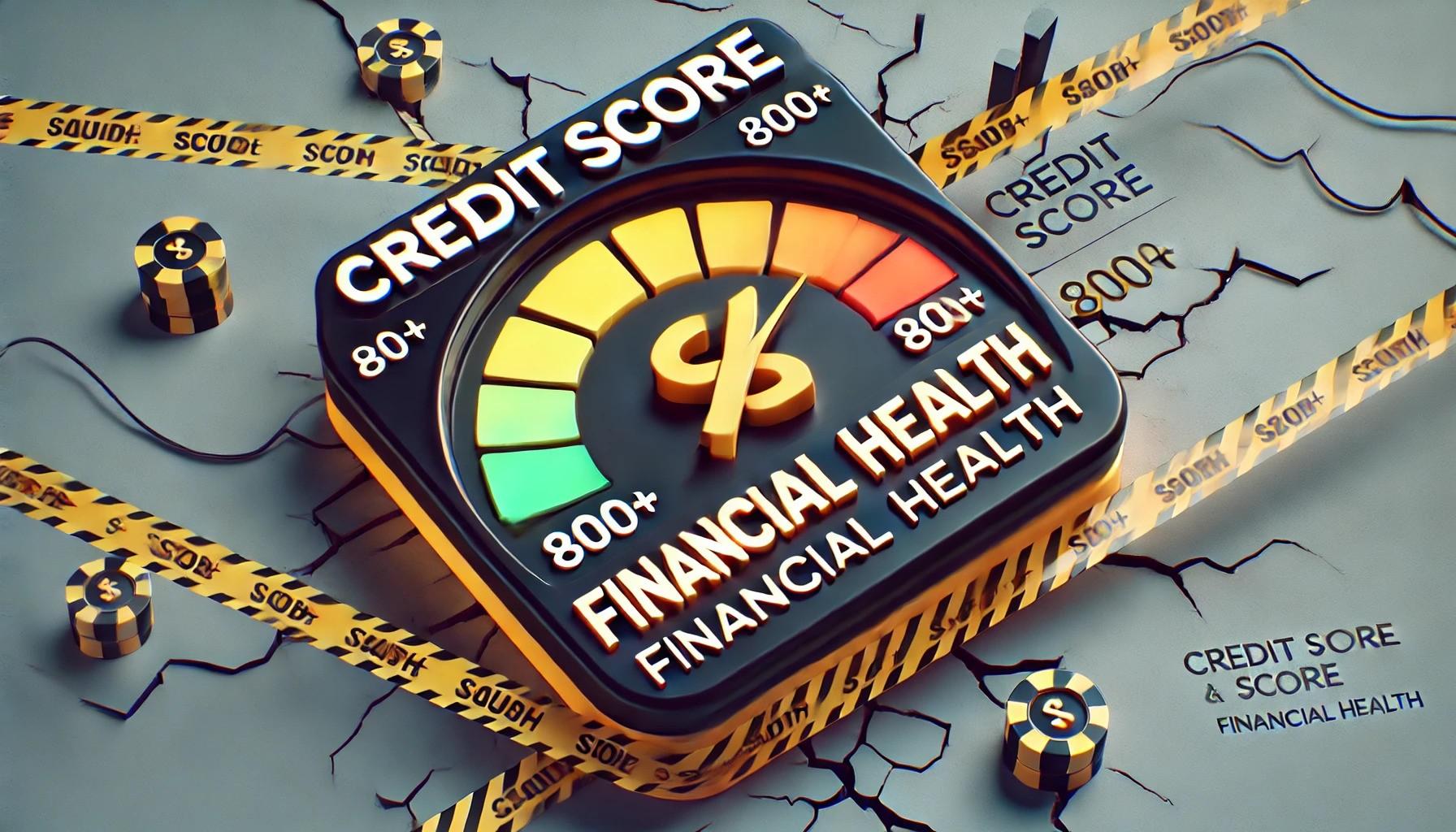
A high credit score can feel like a badge of honour in the world of personal finance.
It suggests that you’ve been responsible with debt and that lenders trust you. But here’s the catch: a strong credit score doesn’t always mean you’re in good financial health. In fact, many people with excellent credit still face financial instability, living paycheck to paycheck or carrying high-interest debt. While it’s important to meet payment deadlines and manage credit wisely, relying on a score to define financial well-being overlooks the bigger picture. True financial stability comes from savings, investments, and a balanced approach to money.
So, before you pat yourself on the back for that perfect credit score, make sure you’re taking care of the rest of your financial house.
High Debt Levels Can Mask Financial Strain
A high credit score doesn’t mean you’re debt-free.
In fact, many people with excellent credit are also managing significant amounts of debt, some with a debt-to-income ratio that could spell trouble. If you’re carrying large amounts of debt relative to your income, even small financial setbacks can quickly become unmanageable.
For instance, a person might have £10,000 in credit card debt but still maintain a strong credit score by making minimum payments on time. According to data from The Money Charity, the average household debt in the UK (including mortgages) was £65,618 as of June 2023. While paying on time helps keep a high score, it doesn’t mean that debt isn’t slowly eroding financial freedom. This is why a good credit score can sometimes create a false sense of security. People may feel financially stable simply because they are maintaining their score, even though they’re carrying the weight of significant debt.
If you’re using a large portion of your income just to service debt, this can put you at risk during economic downturns or emergencies. At the end of the day, managing high debt can undermine your financial health, even if your credit score looks pristine. It’s important to consider not just how you handle debt, but how much you actually owe compared to what you earn.
A high credit score may hide the fact that you’re walking a financial tightrope.
Credit Scores Don’t Reflect Spending Habits
Your credit score is a reflection of how you manage credit, but it doesn’t tell the full story of your spending habits.
You could have a high score and still be living paycheck to paycheck, with no savings to fall back on in tough times. This disconnect is something many don’t realise until it’s too late.
Consider someone who uses credit cards for all their purchases, but always pays the bill on time. This behaviour boosts their credit score, yet behind the scenes, they may be just one emergency away from financial disaster. According to The Money Advice Service, 11.5 million adults in the UK have less than £100 in savings. This means they may be credit-reliable, but financially fragile. The trouble is that good credit doesn’t necessarily equate to good financial habits. A person could be relying on credit to maintain a certain lifestyle, spending every penny they earn and saving nothing for the future.
This can lead to long-term financial problems, as relying solely on credit leaves little room for unexpected expenses. In the end, a high credit score might look good on paper, but it doesn’t show whether someone is actually living within their means. This is why it’s critical to look beyond the score and evaluate how you manage your money day-to-day.
Credit is only one part of a much larger financial picture.
Lack of Investments Undermines Long-Term Financial Health
A credit score measures your ability to manage debt, but it doesn’t account for whether you’re building long-term financial security through investments.
You could be keeping your credit in check while failing to invest in assets that will grow your wealth over time. This is a crucial aspect of financial health that credit scores simply can’t capture.
For example, someone might have a great credit score from consistently paying off loans but has no savings invested in the stock market or retirement funds. According to a Financial Times report, only 20% of UK adults invest in stocks and shares, meaning many are missing out on long-term growth opportunities. Having a high credit score, while valuable, doesn’t provide the same future financial security that investing can. The issue is that a good credit score reflects only past financial behaviour, not the potential for future growth. If you’re not building wealth through investments, you may find yourself in a precarious position later in life, especially when income streams like pensions become more important.
This lack of foresight can be a major blind spot in an otherwise healthy-looking financial situation. Ultimately, relying solely on your credit score ignores a critical aspect of financial well-being: the ability to create and grow wealth over time. While it’s important to maintain good credit, focusing solely on this metric may lead you to neglect other important financial strategies.
What’s next?
Investing is essential for long-term stability, and without it, you may find that a high credit score isn’t enough to secure your future.
In the end, a high credit score is only one piece of the financial puzzle — not the whole picture.
True financial health requires more than timely debt payments; it demands smart spending, robust savings, and long-term investments. Relying solely on a credit score as a mark of financial success is a dangerous misconception.
Don’t let a number define your security — build a foundation that genuinely supports your future.