
The library
Every guide we’ve written
85 free guides on investing, personal finance, real estate, and crypto — written for younger readers building financial literacy from zero.
New to some of the terms? The money glossary explains 57 of them in plain English.
Personal Finance
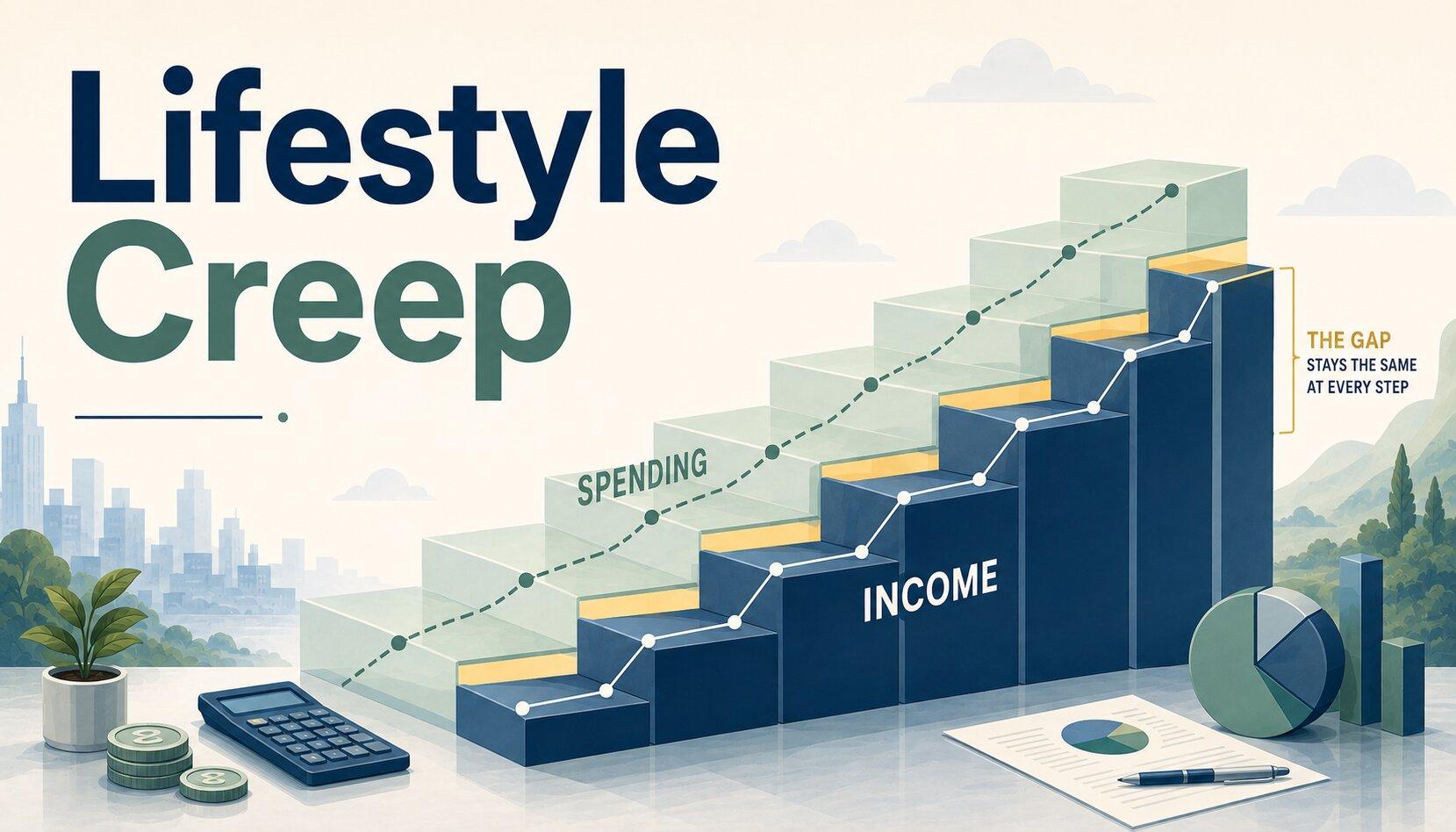
The Lifestyle Creep That Quietly Eats Your Next Raise (And the 50% Rule That Stops It)
Your next raise probably won't make you richer. Not because it's too small, but because your spending quietly rises to match it. Economists call this lifestyle creep, and it's a big reason the US savings rate hasn't risen even as paychecks grew. The fix isn't more willpower, it's a rule that captures part of the money before you can spend it. Here's the 50% rule, the brain science that makes it necessary, and what half of a single raise could quietly grow into over 30 years.
Investing
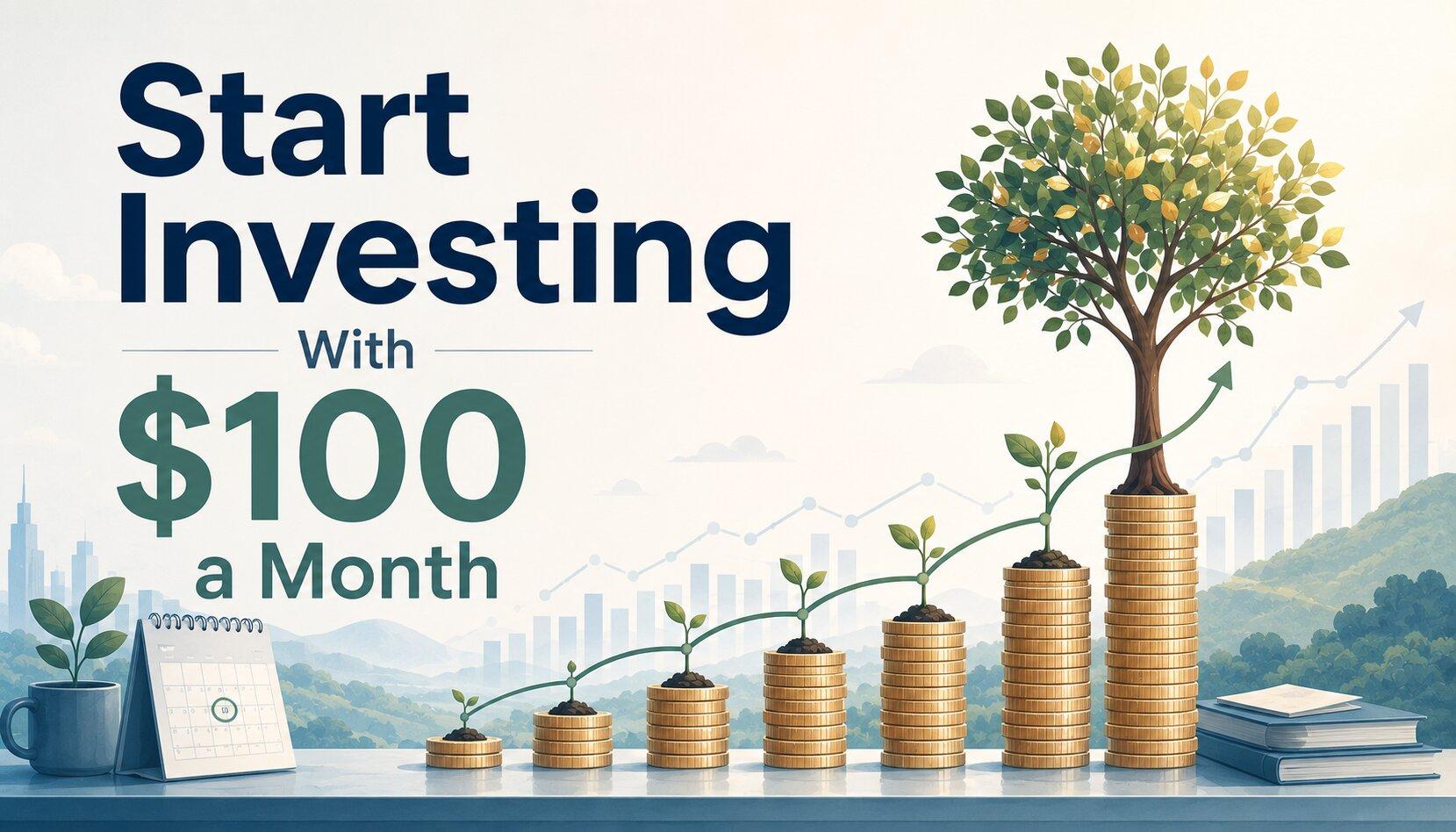
How to Start Investing With $100 a Month (Without Picking Stocks or Paying Fees)
Nobody who waited to "have enough" to invest is glad they waited. $100 a month sounds too small to bother with, which is exactly why most people never start and quietly lose a decade. That decade is the expensive part, because time does far more of the work than the amount you put in. The good news is the whole thing fits on one page, and none of it involves picking a stock. Here's the first-year plan: the account to open first, the one fund to buy, and the automation that makes it run without you.
Personal Finance
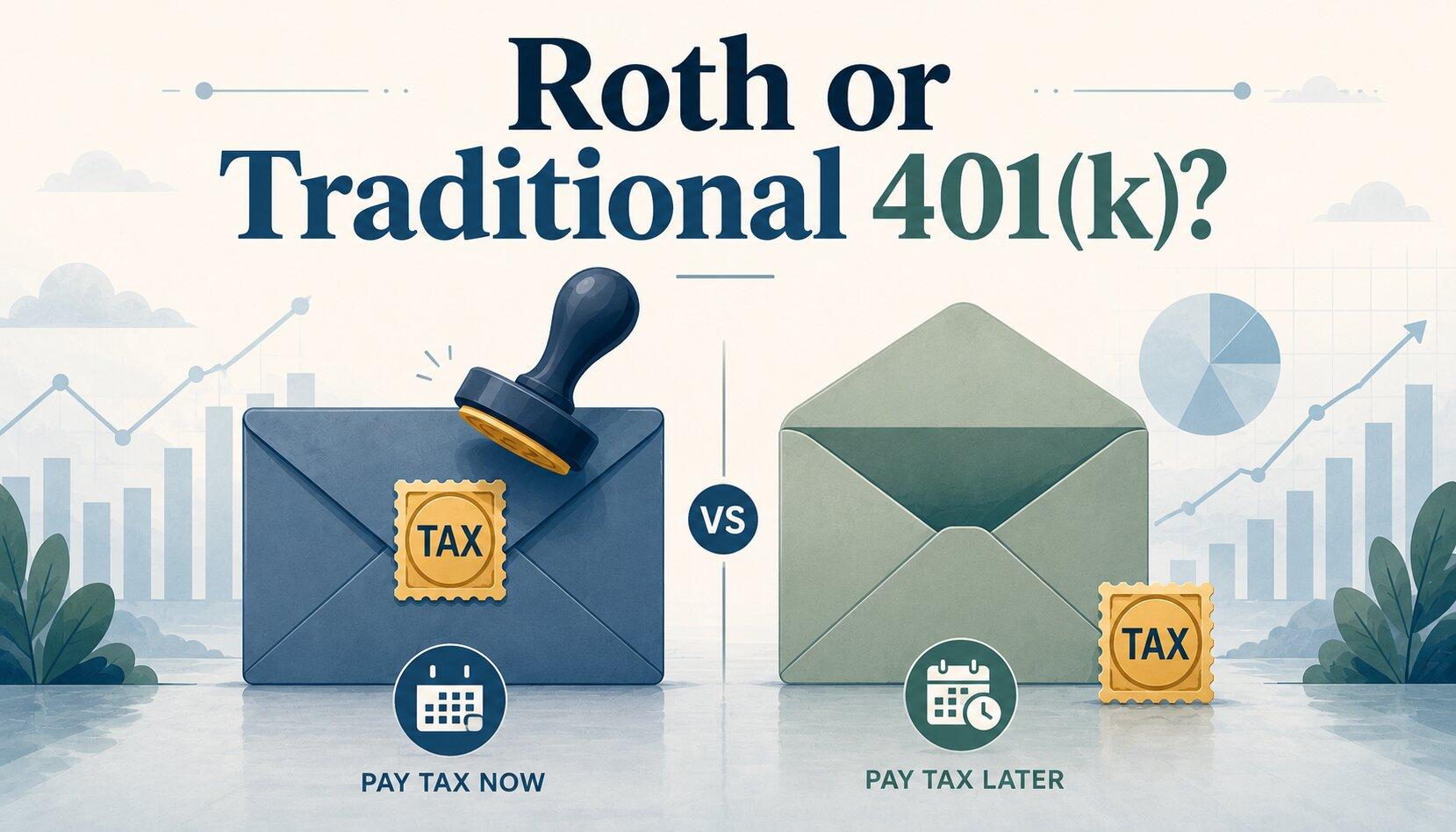
Roth or Traditional 401(k)? The Tax-Bracket Question That Settles It
Your first 401(k) form has a trick question on it. Roth or Traditional doesn't change your salary, your investments, or how much you can save. It only changes when you hand the IRS its cut. Most guides list ten factors and quietly never answer the question. Here's the one tax-bracket comparison that actually settles it, a worked example with real 2026 numbers, and the three situations where the simple rule bends.
Personal Finance
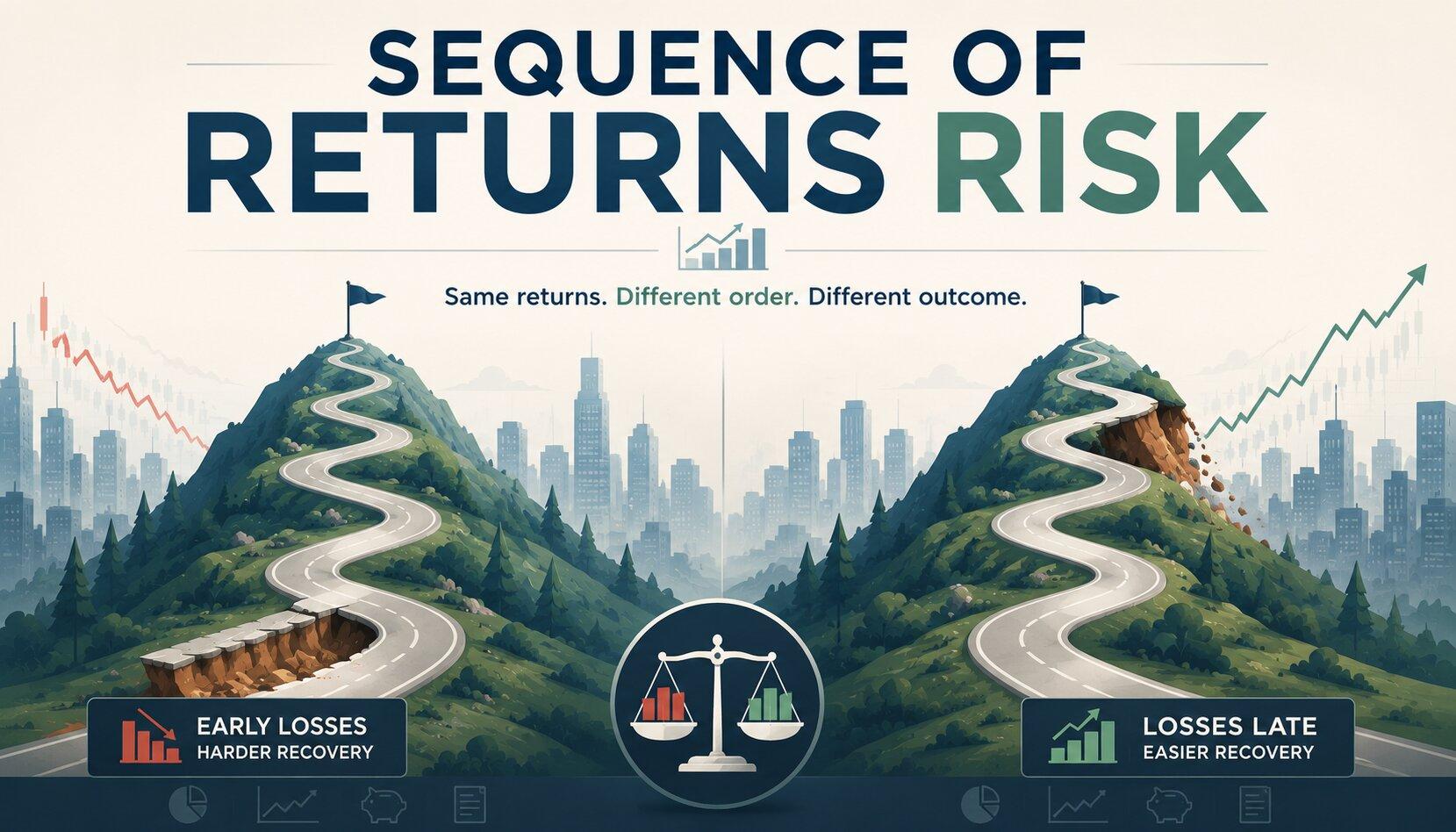
The Quiet Retirement Risk Most Investors Ignore (Until It's Too Late)
Your retirement date may matter more than your returns. Sequence of returns risk is the quiet reason two people with identical average returns can end up in completely different places. It only bites hard in the roughly ten years around the day you stop working. Before then, a crash is a discount, not a disaster. Here's what it really is, who should actually worry about it, and the three cheap, boring fixes that beat panic every time.
Personal Finance
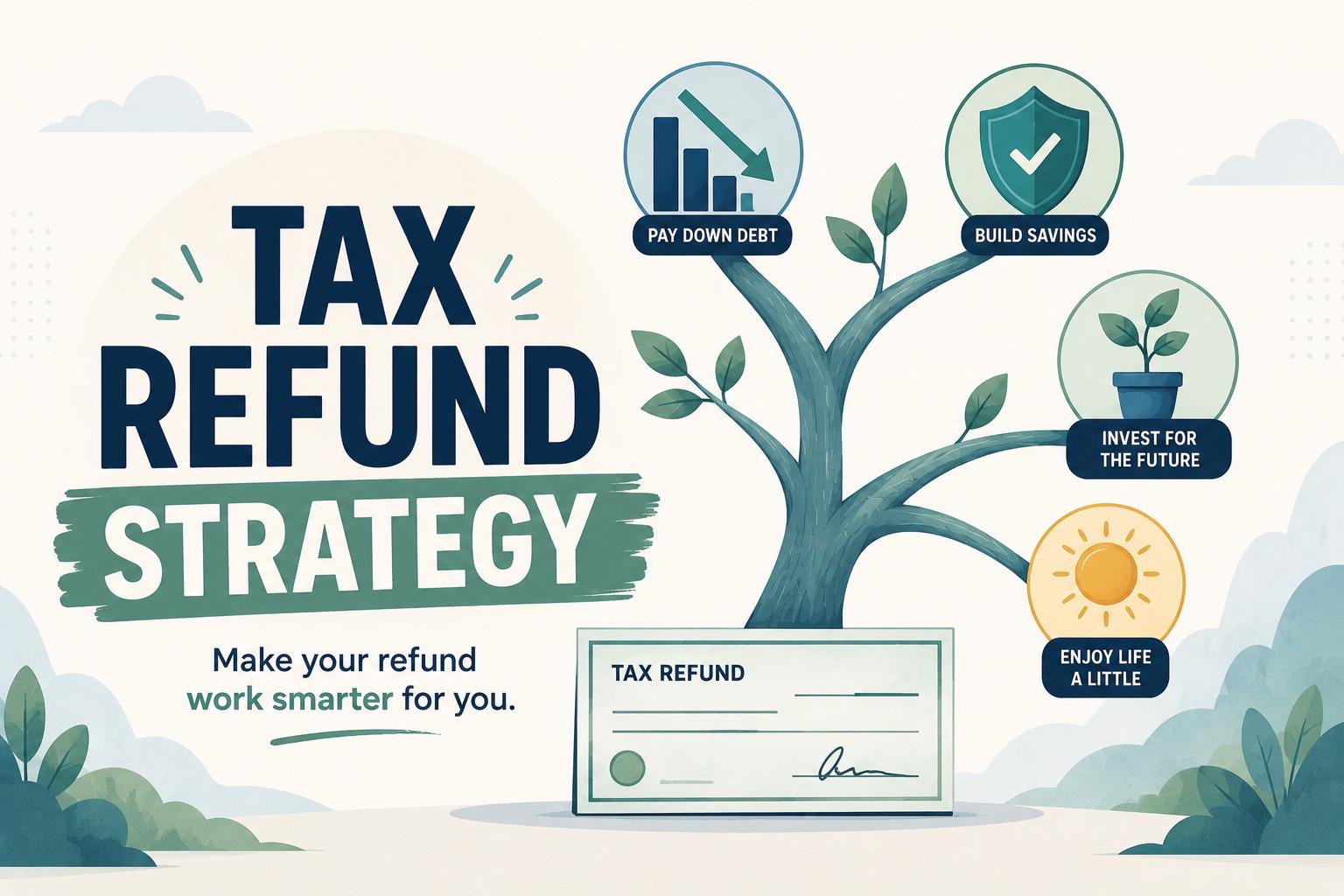
What to Do With Your Tax Refund Before You Spend It (A 5-Step Decision Tree for Your 20s and 30s)
Your tax refund was never a bonus. It's your own paycheck, handed back after the government held it interest-free for a year. The average refund topped $3,000 this year, and most of it disappears within weeks because the brain treats found money differently. Spend it on autopilot and a $3,000 check buys you nothing you'll remember. Here's the five-step decision tree that puts a refund to work: the debt to kill first, the retirement deadline most people miss, and the one slice you're allowed to spend guilt-free.
Investing
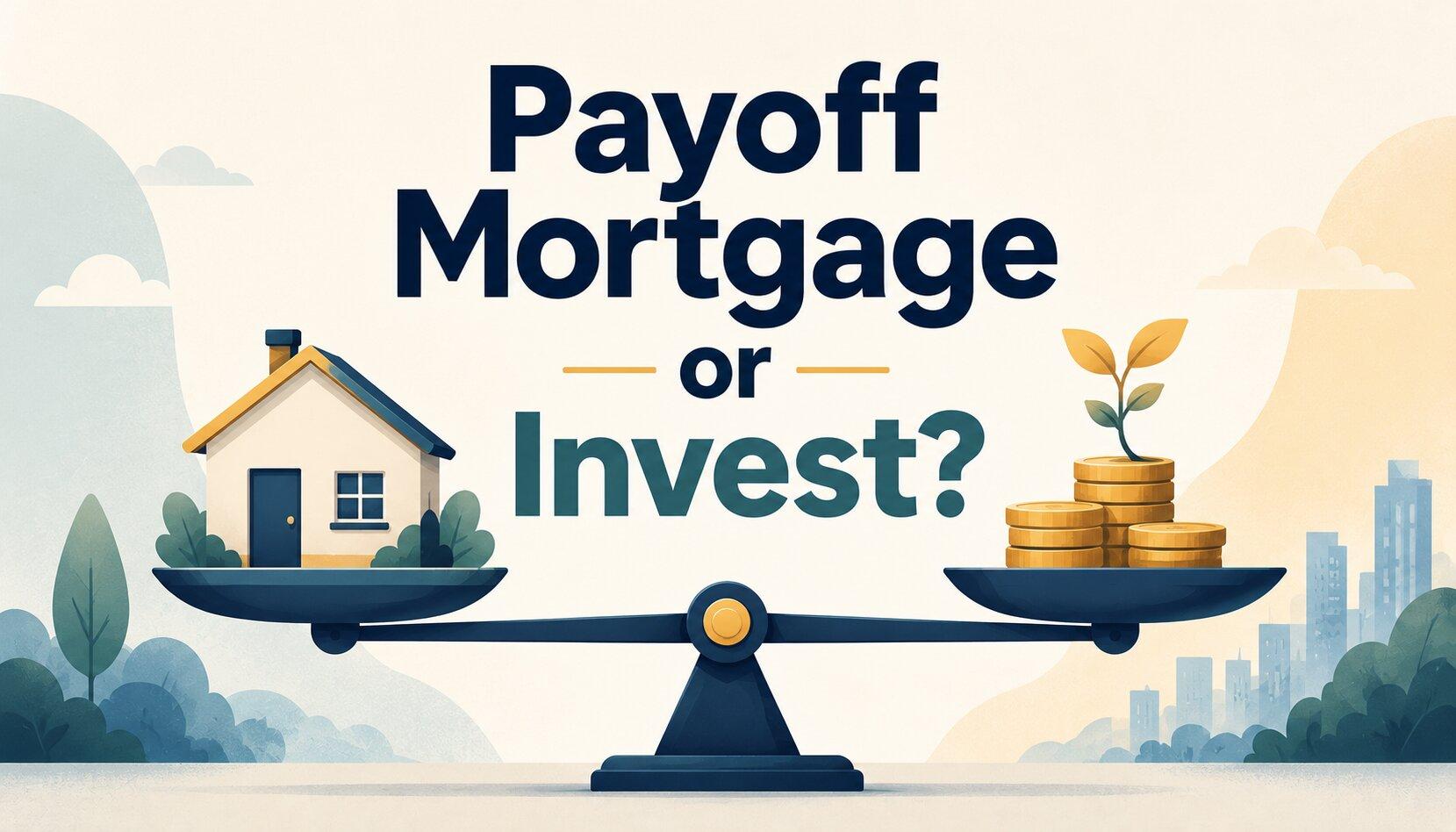
Should You Pay Off Your Mortgage Early or Invest the Difference? Here's the Maths
Paying off your mortgage early is now a guaranteed 6.5% return. A few years ago, with 3% loans, that was an easy pass in favour of stocks. At today's rates the gap is small enough that the choice genuinely matters, and the tax-break argument most people lean on barely applies anymore. The honest answer is a number, not a gut feeling. Here's the simple maths, the tax reality most guides get wrong, and the split that usually beats picking a side.
Investing
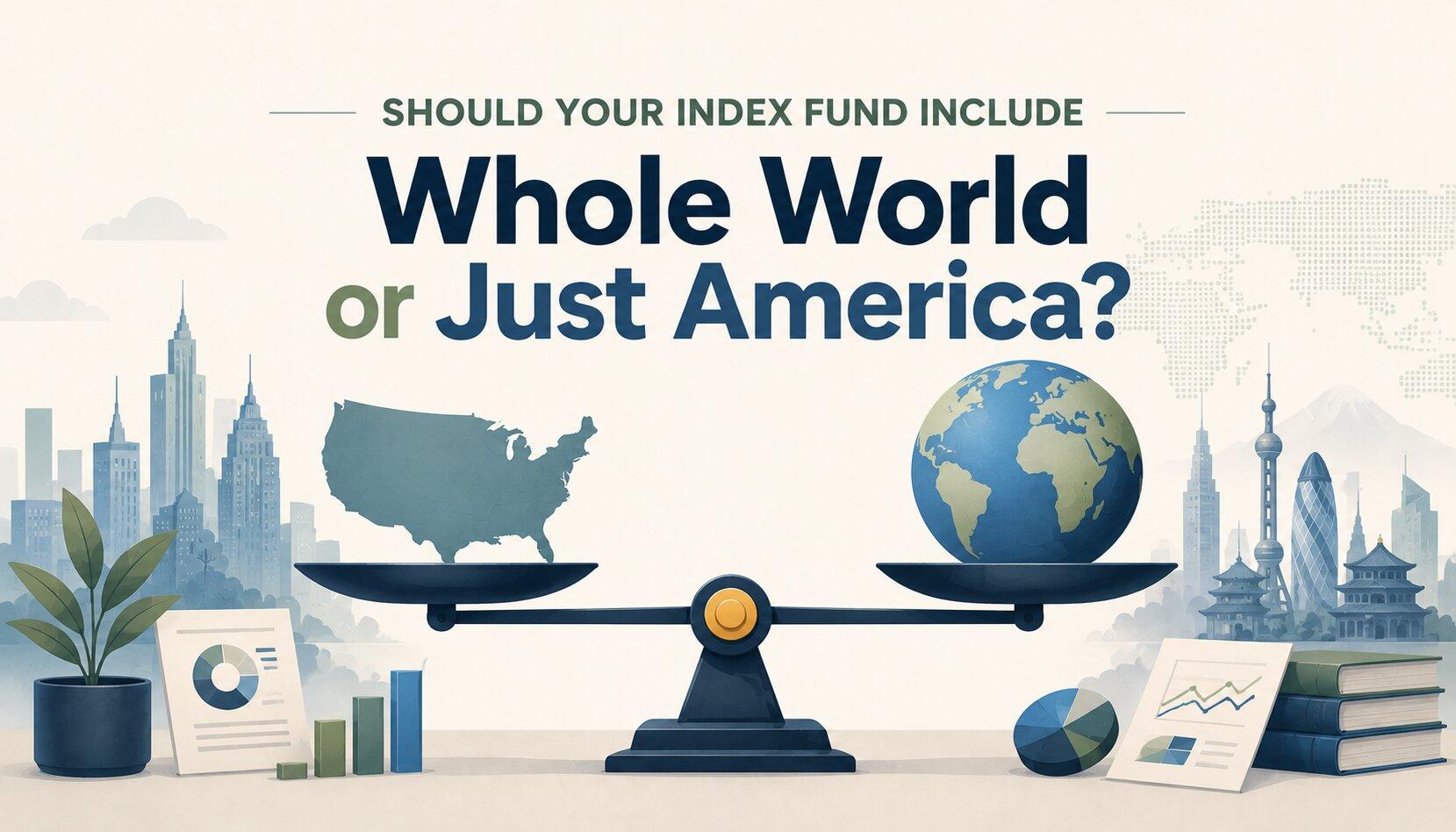
US or Whole-World Index Fund? The Honest Trade-off
A total world fund is still about 62% US, so the real choice is all-America or mostly-America. What 2025 changed, three setups compared, and the 20-40% rule.
Personal Finance
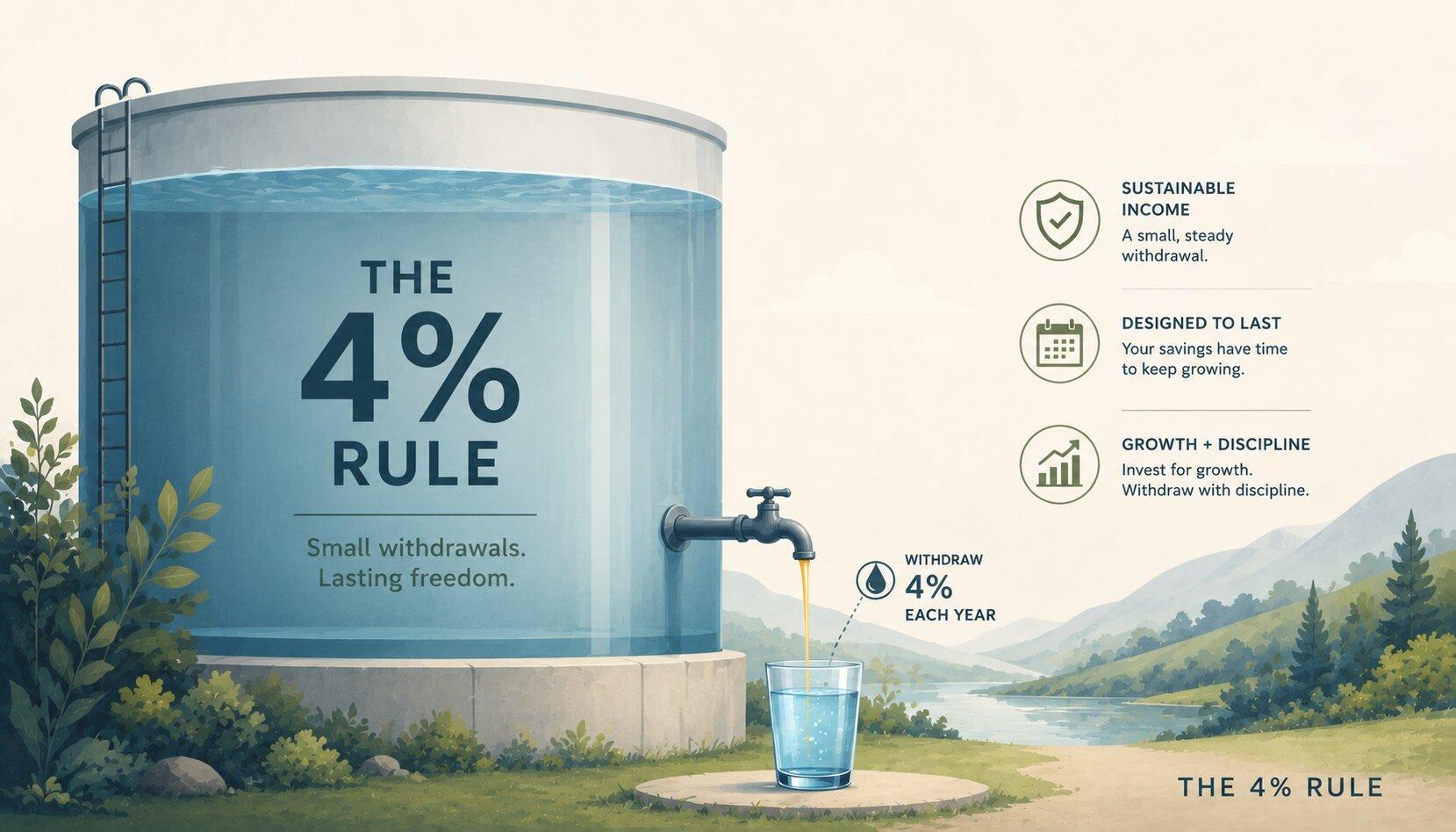
How Much Do You Actually Need to Retire? The 4% Rule, Explained Without the Maths Anxiety
Your retirement number is probably just your spending times 25. The 4 percent rule has been the back-of-the-envelope answer since 1994, when one planner ran it against the worst markets in US history. It survived every time, on a plain balanced portfolio. The catch is that the safe starting number has quietly drifted below 4 percent, and almost no explainer tells you why. Here's the one-minute math, the worked example for $50,000 a year, and the sequence-of-returns risk that decides how conservative you should really be.
Personal Finance
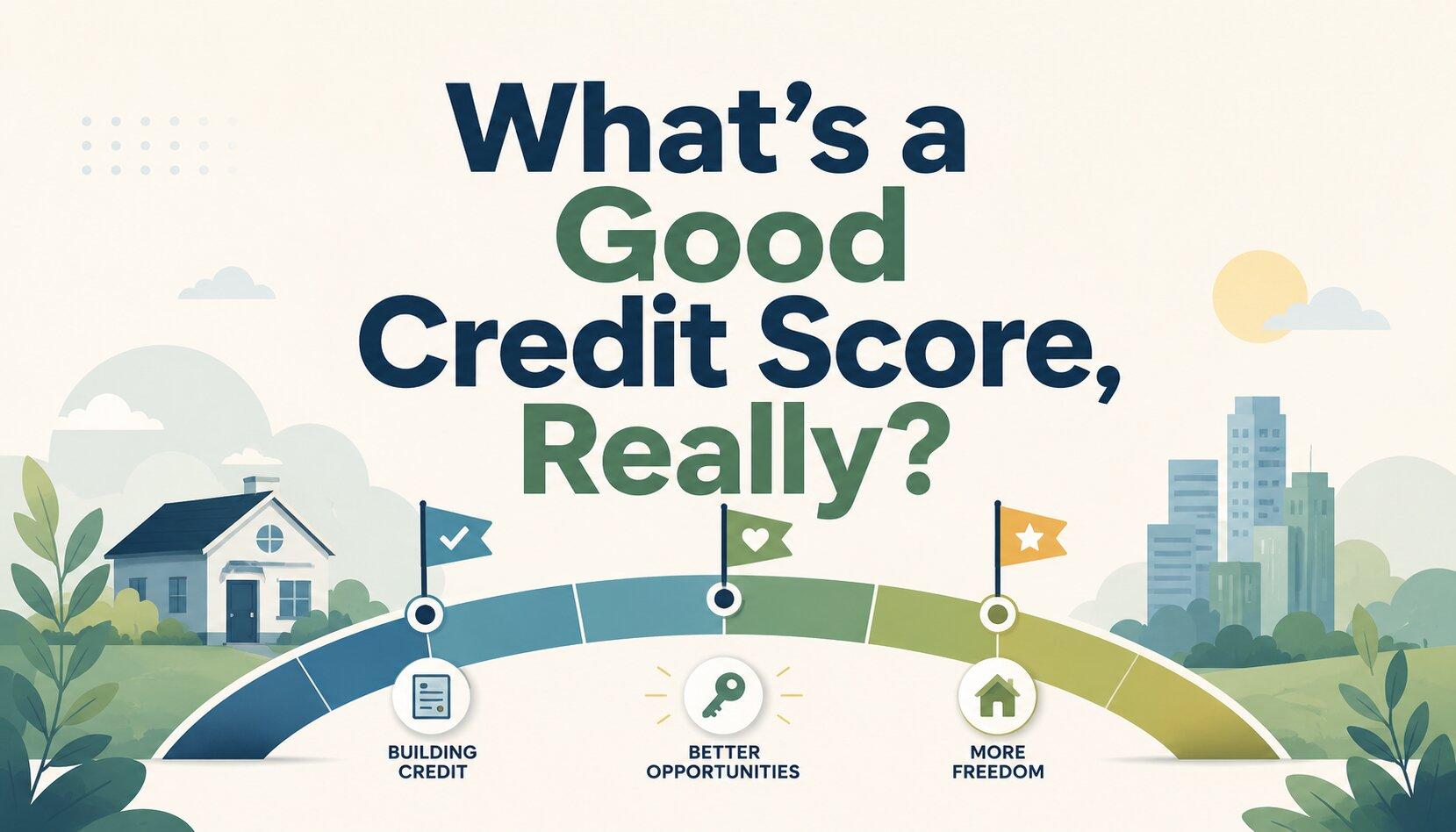
What's a Good Credit Score, Really? The Three Numbers That Actually Change Your Life
Your credit score can quietly cost you a house. Not the down payment, the interest. On a $300,000 mortgage, the gap between a low-600s score and a mid-700s score runs to about $50,000 over 30 years. The strange part is that you don't need a perfect score to avoid it. Here's the good credit score range that actually matters, the three thresholds that change your rate, and why chasing 850 is a waste of time.
Investing
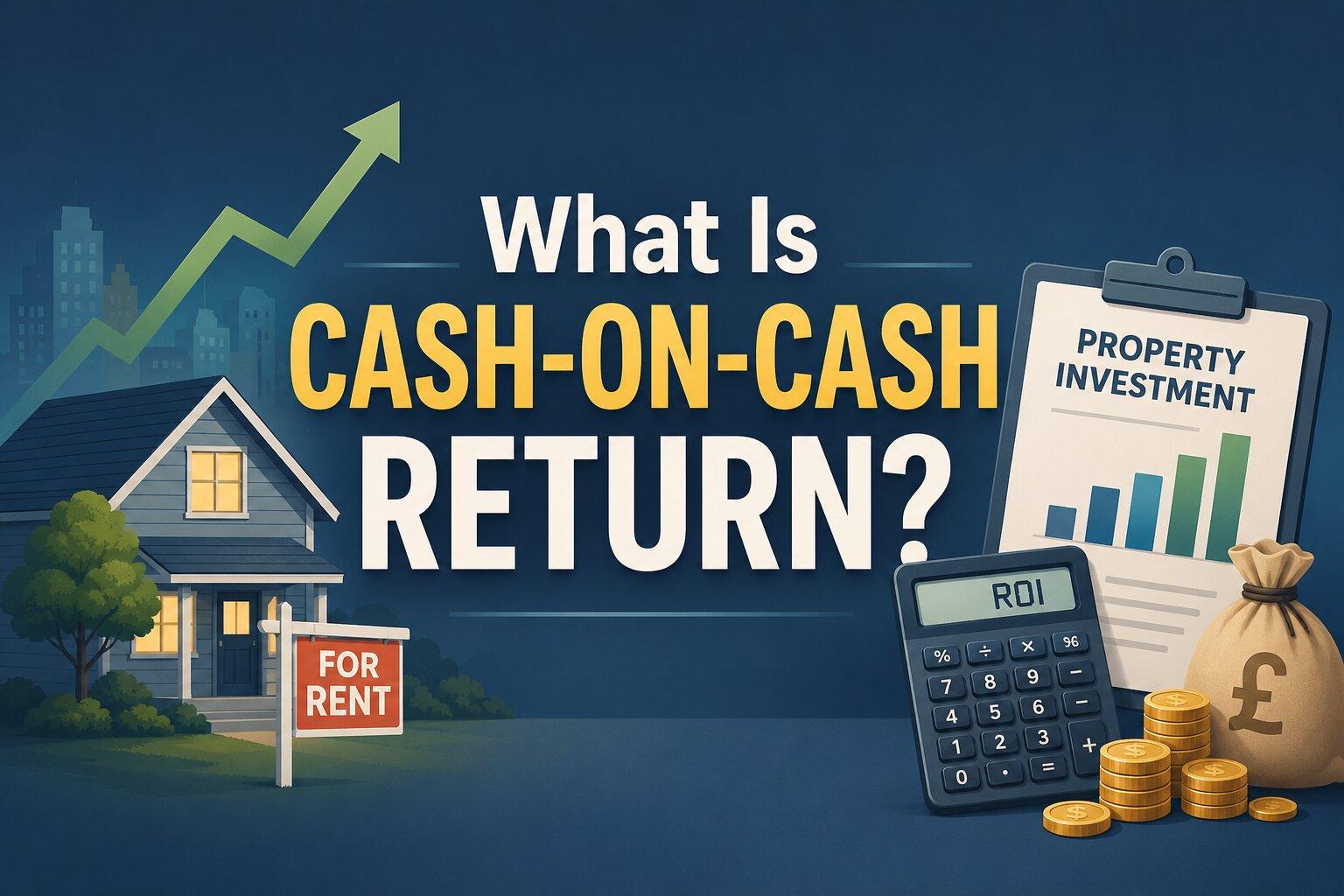
What Is Cash-on-Cash Return? The Golden Metric You Must Know Before Investing In Real Estate
Most property investors think they are making money, until they actually run the numbers. A high rental yield or rising house price feels reassuring, but neither tells you what your cash is really doing. Seasoned investors, lenders, and professionals care about one thing above all else: how efficiently your invested cash turns into real income. That is why the smartest real estate decisions are grounded in a metric that cuts through leverage, financing, and paper profits. Cash-on-cash return is the golden metric that separates properties that look good from investments that actually work.
Investing
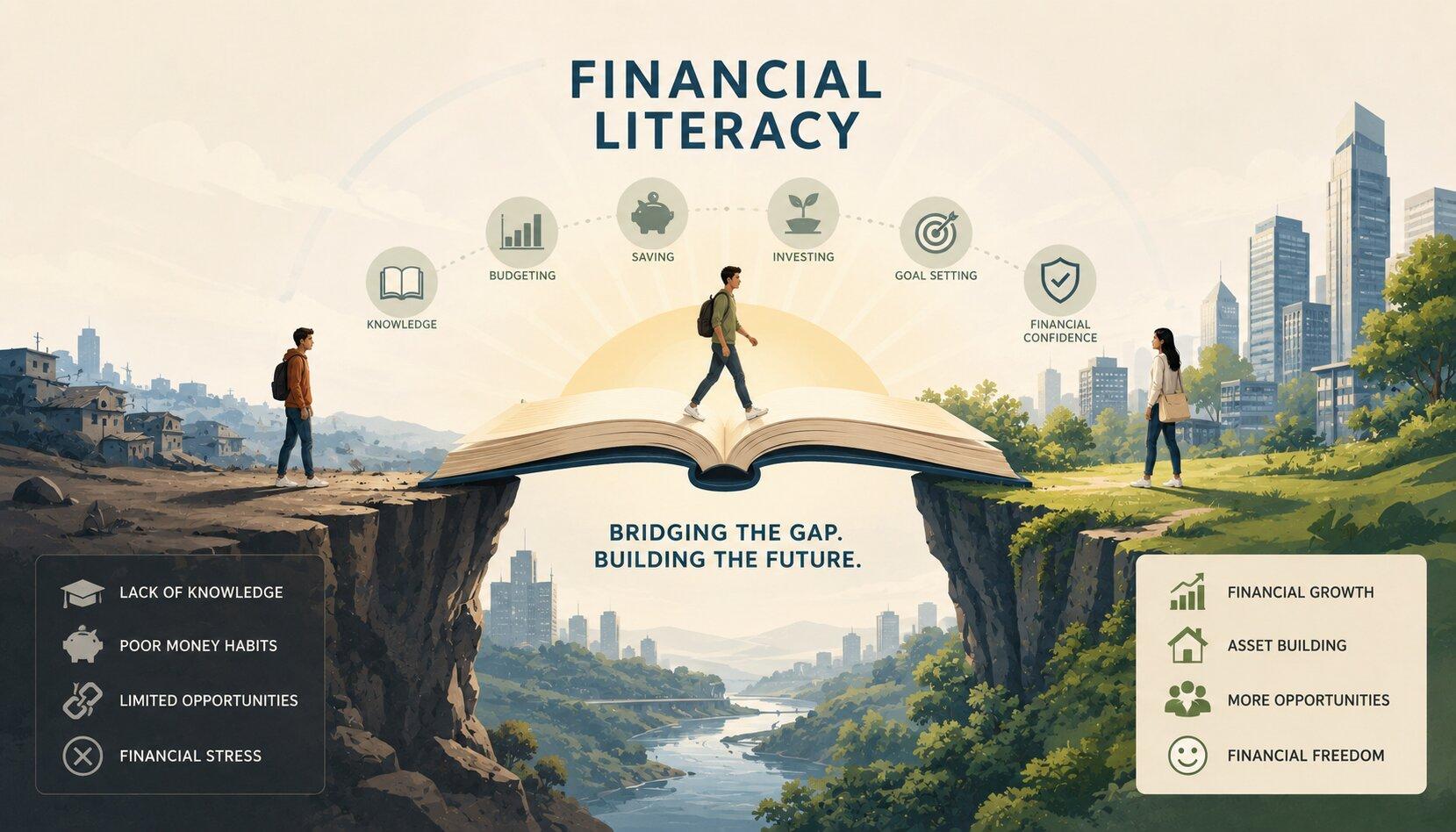
How Financial Literacy Quietly Closes the Wealth Gap (And Why Compound Interest Is the Real Equalizer)
About a third of US wealth inequality is a literacy story. That's the most cited academic estimate, and almost no one in the field actually quotes it. The mechanism behind it isn't willpower, it's compound interest, which doesn't care who's pulling on it. Two people on the same $60,000 salary, one saving 12% and one saving 3% for 35 years, end up roughly $746,000 apart. Here's what the data actually says, why the top-ranking pieces skip the math, and the calm middle position the debate keeps missing.
Investing
REITs Explained for Beginners and People Who Don't Want to Be Landlords
You probably already own REITs and don't know it. If you've got a 401(k) holding a target-date fund, you almost certainly hold real estate in it. Beginner guides skip this and keep selling REITs like they're a fresh idea. Most of them also skip the tax wrinkle that quietly costs high earners several hundred dollars a year. Here's what REITs really are, the Section 199A wrinkle the field underplays, and the three situations where adding more of them quietly hurts your portfolio.