
The library
Every guide we’ve written
46 free guides on investing, personal finance, real estate, and crypto — written for younger readers building financial literacy from zero.
New to some of the terms? The money glossary explains 55 of them in plain English.

Investing
Should You Pay Off Your Mortgage Early or Invest the Difference? Here's the Maths
Paying off your mortgage early is now a guaranteed 6.5% return. A few years ago, with 3% loans, that was an easy pass in favour of stocks. At today's rates the gap is small enough that the choice genuinely matters, and the tax-break argument most people lean on barely applies anymore. The honest answer is a number, not a gut feeling. Here's the simple maths, the tax reality most guides get wrong, and the split that usually beats picking a side.

Personal Finance
How Much Do You Actually Need to Retire? The 4% Rule, Explained Without the Maths Anxiety
Your retirement number is probably just your spending times 25. The 4 percent rule has been the back-of-the-envelope answer since 1994, when one planner ran it against the worst markets in US history. It survived every time, on a plain balanced portfolio. The catch is that the safe starting number has quietly drifted below 4 percent, and almost no explainer tells you why. Here's the one-minute math, the worked example for $50,000 a year, and the sequence-of-returns risk that decides how conservative you should really be.
Personal Finance
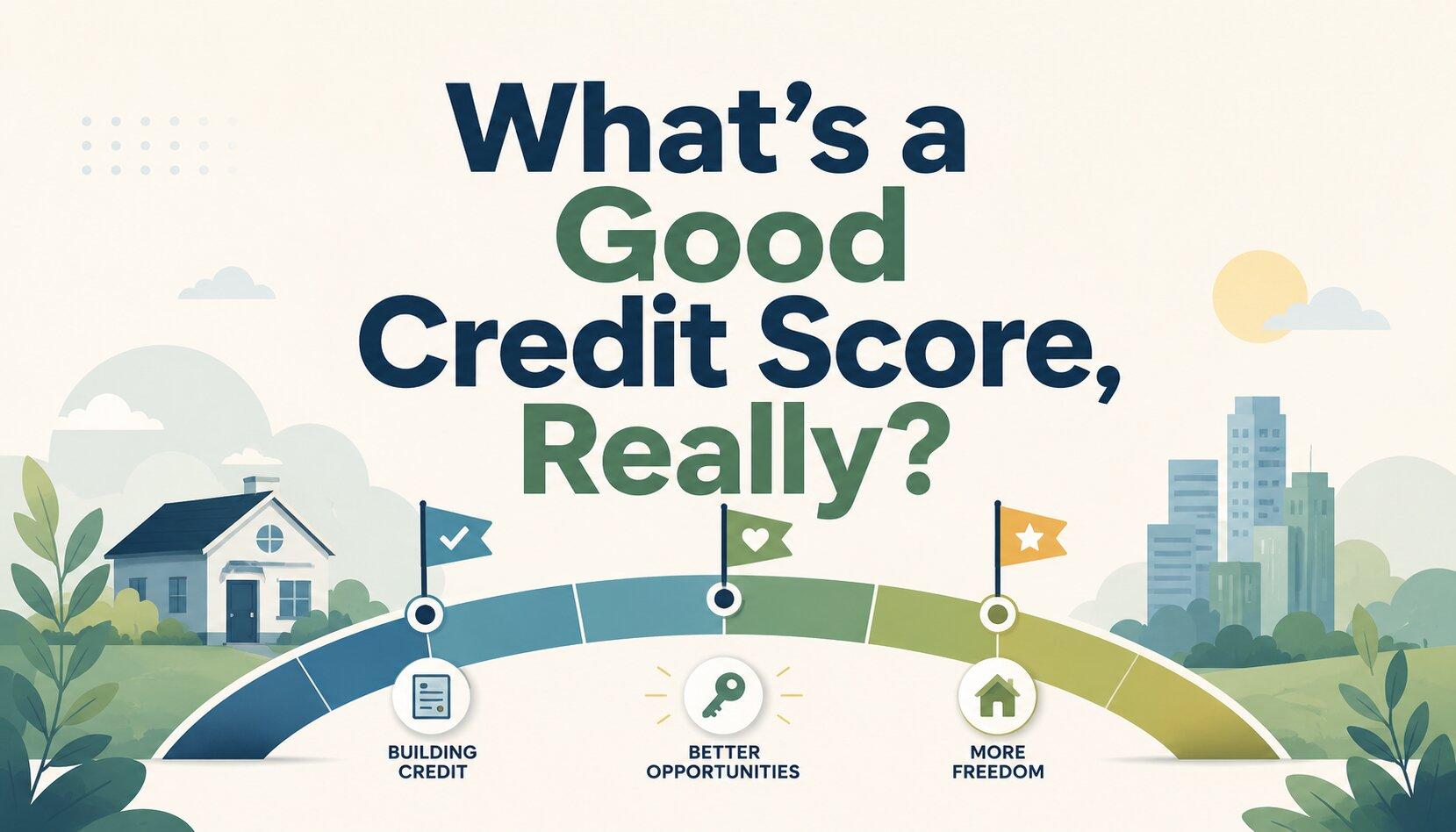
What's a Good Credit Score, Really? The Three Numbers That Actually Change Your Life
Your credit score can quietly cost you a house. Not the down payment, the interest. On a $300,000 mortgage, the gap between a low-600s score and a mid-700s score runs to about $50,000 over 30 years. The strange part is that you don't need a perfect score to avoid it. Here's the good credit score range that actually matters, the three thresholds that change your rate, and why chasing 850 is a waste of time.
Investing
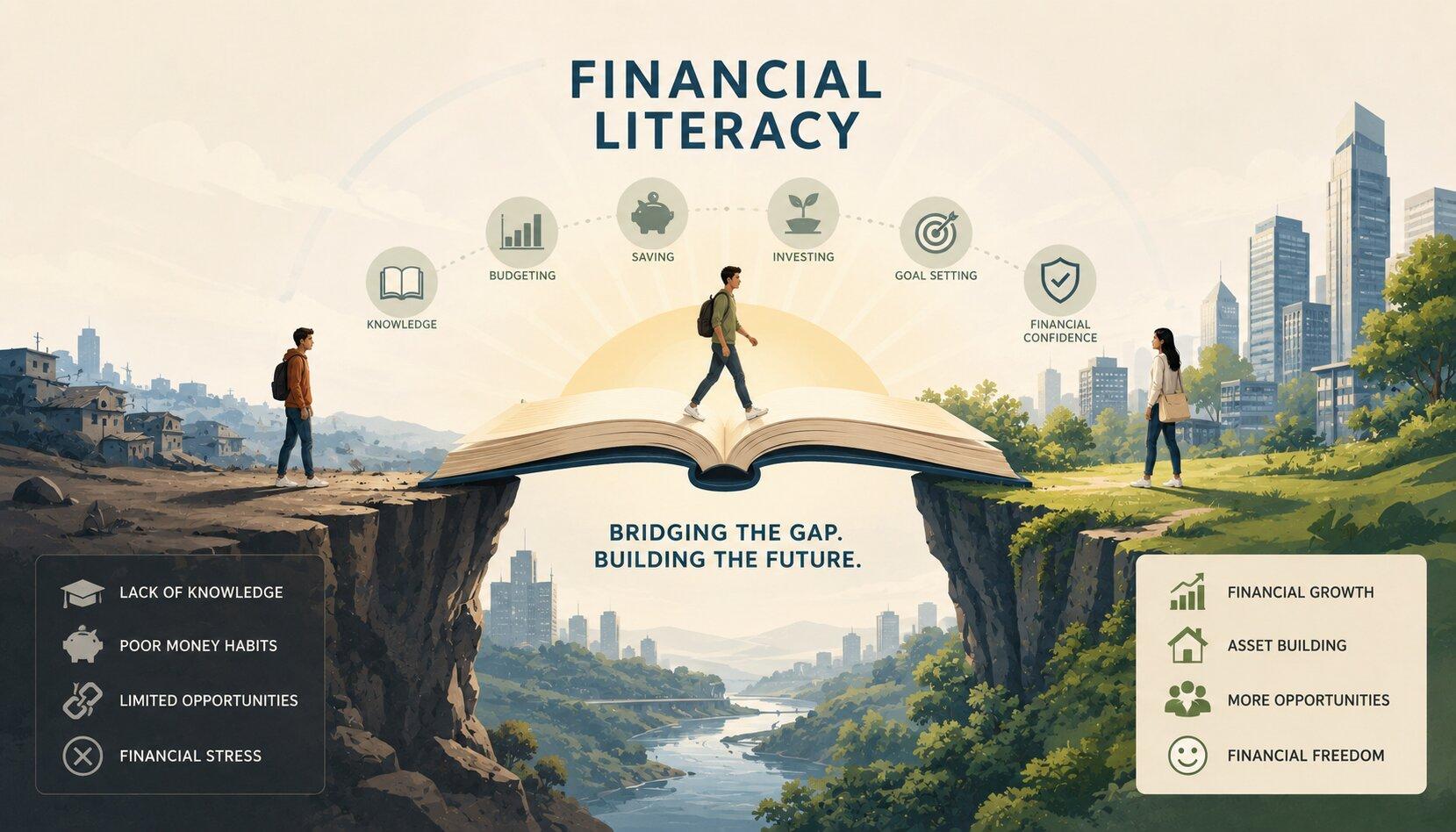
How Financial Literacy Quietly Closes the Wealth Gap (And Why Compound Interest Is the Real Equalizer)
About a third of US wealth inequality is a literacy story. That's the most cited academic estimate, and almost no one in the field actually quotes it. The mechanism behind it isn't willpower, it's compound interest, which doesn't care who's pulling on it. Two people on the same $60,000 salary, one saving 12% and one saving 3% for 35 years, end up roughly $746,000 apart. Here's what the data actually says, why the top-ranking pieces skip the math, and the calm middle position the debate keeps missing.

Investing
The Psychology Behind Money: Why Understanding Your Money Mindset Is Crucial
Money decisions are rarely about numbers alone. What looks like a budgeting problem or a bad investment choice is often driven by habits, emotions, and beliefs formed long before your first payslip. Behavioural finance research and decades of psychological studies show that fear, overconfidence, and social pressure consistently shape how people earn, spend, and invest. Until you understand these invisible drivers, even the best financial advice can fail to stick or produce lasting results. Mastering your money starts with mastering the mindset behind it.

Personal Finance
What Is the Rule of 7? The Overlooked Rule That Could Transform Your Finances
Most people make one silent money mistake that costs them years of progress without ever realising it. It happens when they blindly follow generic advice to invest more or pay off debt faster, without a clear rule to decide which actually comes first. Despite endless finance content online, very few frameworks help you compare a guaranteed return against a market return in a way that is practical, repeatable, and grounded in reality. That gap is exactly where the Rule of 7 quietly sits, offering a simple threshold that cuts through noise, emotion, and financial paralysis. Understand this rule, and you stop guessing with your money and start making decisions that genuinely move your finances forward.
Personal Finance
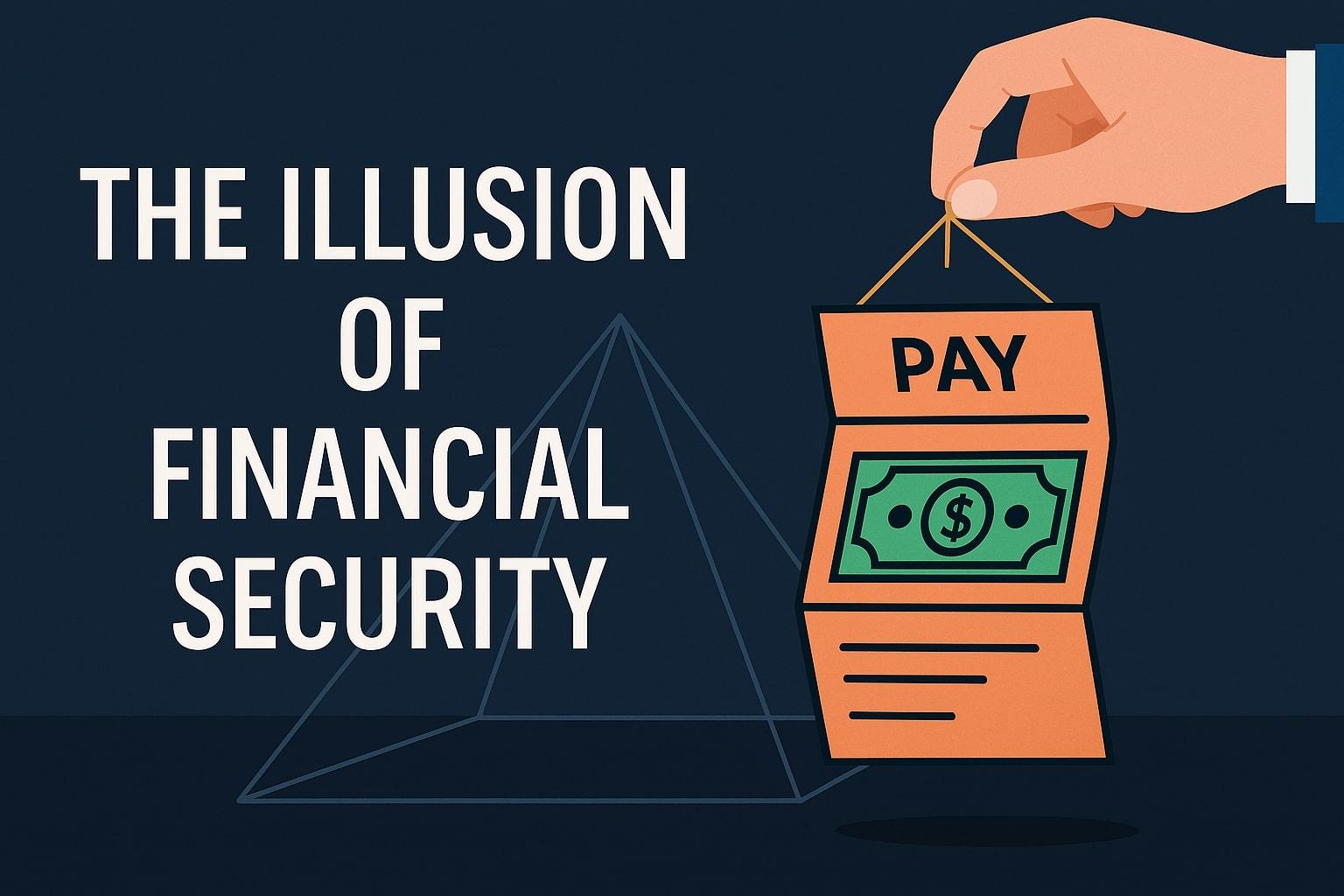
The Illusion of Financial Security: Why More Money Isn’t Always the Answer
Chasing higher income feels like the ultimate path to safety. But for many, that bigger paycheck simply fuels bigger spending and deeper financial stress. Research consistently shows that lifestyle inflation erodes the security people thought more money would bring. True stability doesn’t come from earning more, but from building habits that protect and grow what you already have. The real measure of financial security isn’t your income — it’s how you manage it.
Personal Finance
What Is The 0.01% Rule? The Money Rule You Need To Know Now
You’ve probably hesitated over a £5 coffee or a £20 takeaway, wondering if it’s reckless or harmless. Those small choices often trigger more guilt than the big purchases we plan for. Psychologists call this decision fatigue — the mental drain of second-guessing every pound, which can sabotage even disciplined savers. But what if there were a simple rule that instantly told you whether a purchase was worth stressing over? The 0.01% Rule promises just that — clear guidance for guilt-free spending while you build wealth.

Personal Finance
How to Stop Living Paycheck to Paycheck: A 7-Step System That Works on an Average Income
Between a quarter and two-thirds of Americans live paycheck to paycheck, depending on who's counting. Here's a 7-step system to get a month ahead, with real numbers.
Personal Finance
Should You Really Cut All Discretionary Spending? Here are 6 Reasons Why Extreme Saving Measures May Hurt Your Financial
What if slashing every non-essential expense could cost you more than you save? Trimming expenses can feel empowering, but cutting every discretionary dollar often backfires. Research shows that such austerity can undermine both growth and quality of life, and numerous studies link extreme saving to increased stress and missed opportunities. By recognizing these overlooked pitfalls, you’ll discover why balance—not sacrifice—is the true path to financial success. After all, thoughtful spending isn’t a luxury—it’s your most powerful tool for building lasting wealth.

Investing
Index Investing 101 — The Beginner’s Guide to Wealth Building
Picture your savings quietly growing, almost without effort, while you get on with what matters most. Index investing makes this possible by tracking broad market indices with minimal cost and fuss. In fact, S&P Dow Jones Indices reports that over 65% of active large-cap US equity funds underperformed the S&P 500 in 2024, illustrating the power of passive strategies to deliver steady market returns. Whether you’re saving for a first home or planning your retirement, harnessing index funds can simplify your financial journey and help you stay on track. In this guide, we’ll walk you through exactly how to start index investing with confidence and clarity.
Investing
These 8 Daily Habits Will Secure Your Financial Future
Imagine a future where every small daily decision propels you closer to financial freedom. By adopting these five simple habits, you transform everyday actions into powerful tools for wealth-building. Financial experts and research alike confirm that consistent, mindful practices can compound over time into substantial savings and growth. Integrating these habits into your routine not only stabilises your current finances but also builds a resilient foundation for tomorrow's opportunities. Embrace these transformative habits now to secure the prosperous future you deserve.