
The library
Every guide we’ve written
48 free guides on investing, personal finance, real estate, and crypto — written for younger readers building financial literacy from zero.
New to some of the terms? The money glossary explains 55 of them in plain English.
Personal Finance
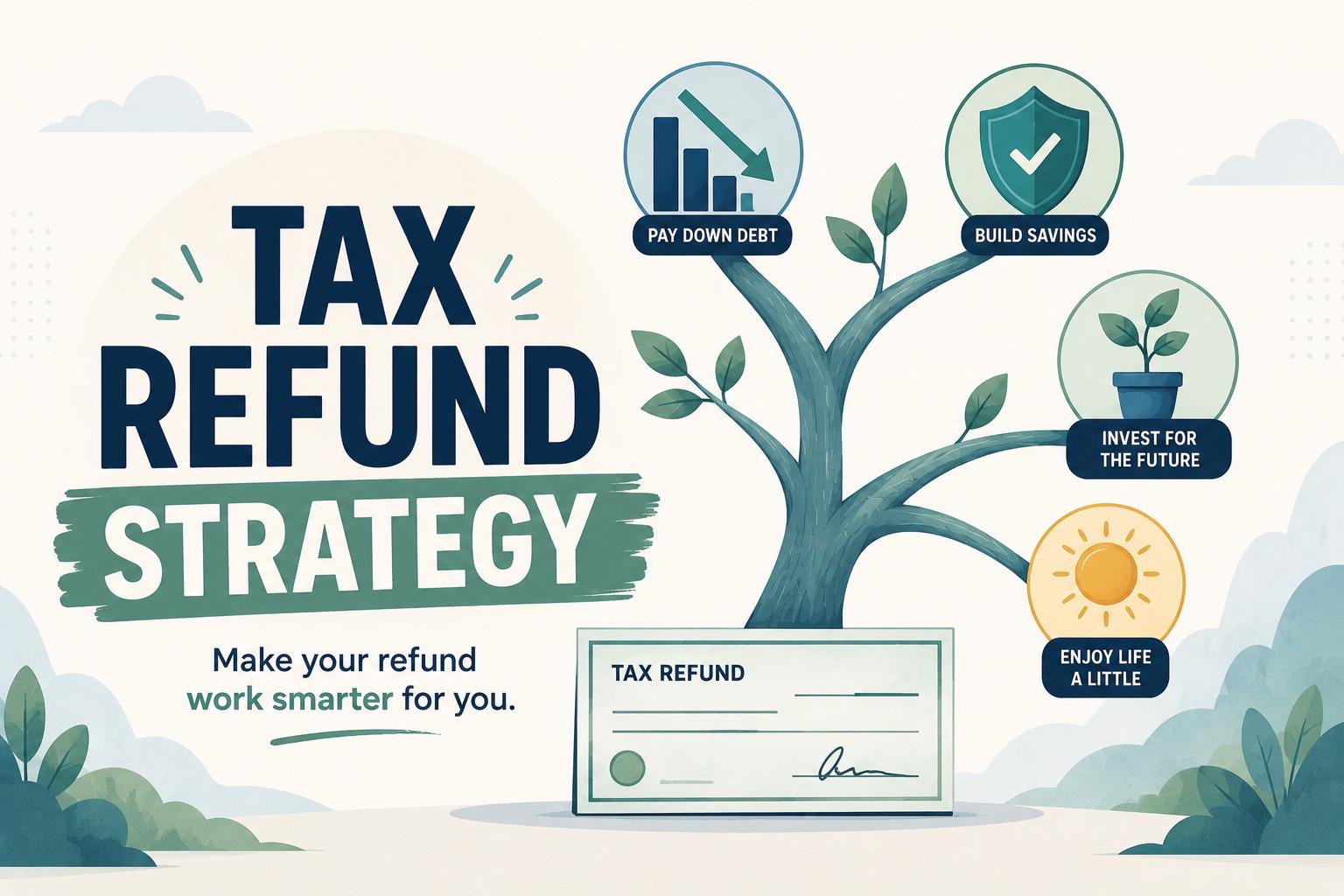
What to Do With Your Tax Refund Before You Spend It (A 5-Step Decision Tree for Your 20s and 30s)
Your tax refund was never a bonus. It's your own paycheck, handed back after the government held it interest-free for a year. The average refund topped $3,000 this year, and most of it disappears within weeks because the brain treats found money differently. Spend it on autopilot and a $3,000 check buys you nothing you'll remember. Here's the five-step decision tree that puts a refund to work: the debt to kill first, the retirement deadline most people miss, and the one slice you're allowed to spend guilt-free.

Investing
Should You Pay Off Your Mortgage Early or Invest the Difference? Here's the Maths
Paying off your mortgage early is now a guaranteed 6.5% return. A few years ago, with 3% loans, that was an easy pass in favour of stocks. At today's rates the gap is small enough that the choice genuinely matters, and the tax-break argument most people lean on barely applies anymore. The honest answer is a number, not a gut feeling. Here's the simple maths, the tax reality most guides get wrong, and the split that usually beats picking a side.
Personal Finance
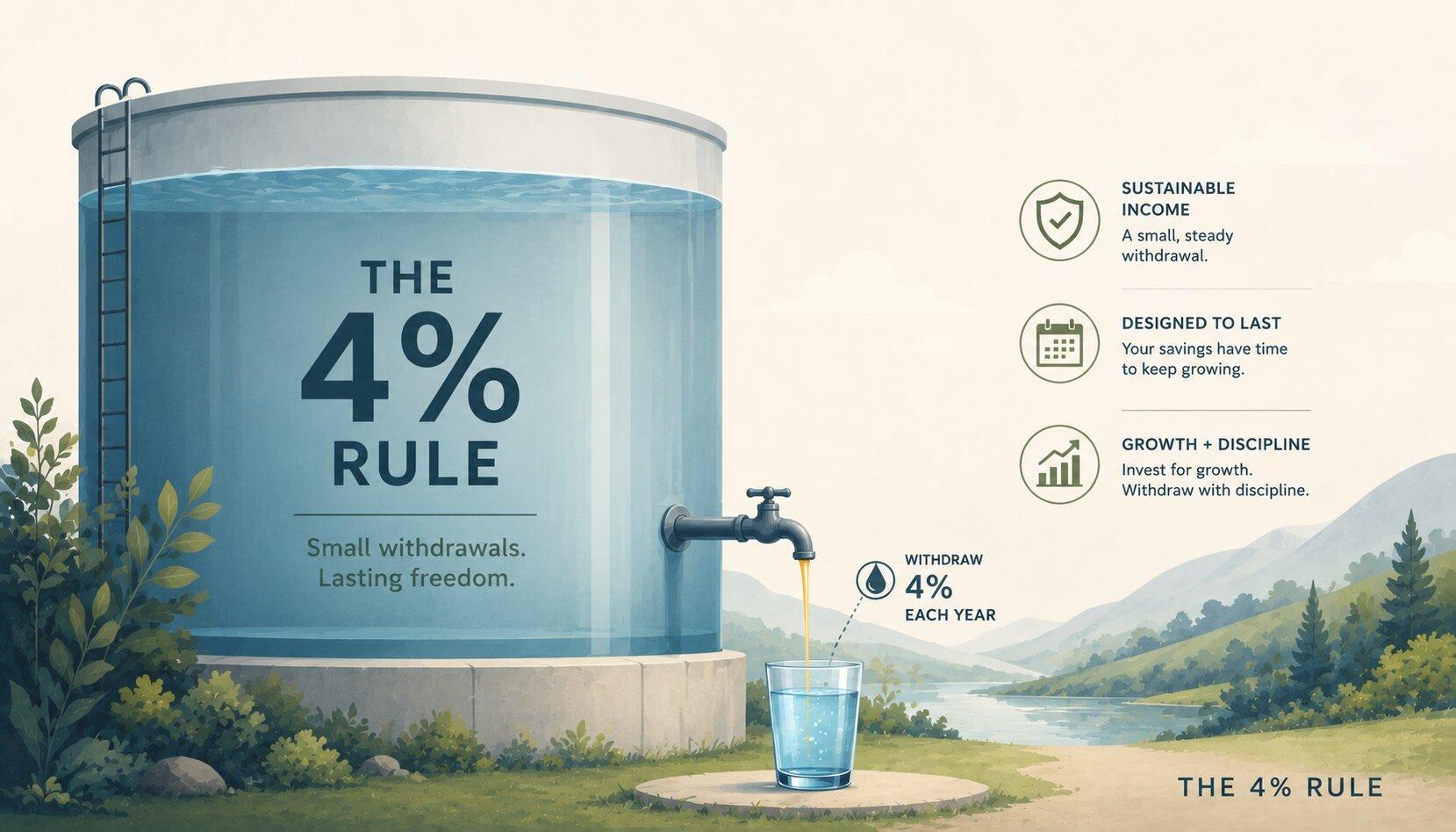
How Much Do You Actually Need to Retire? The 4% Rule, Explained Without the Maths Anxiety
Your retirement number is probably just your spending times 25. The 4 percent rule has been the back-of-the-envelope answer since 1994, when one planner ran it against the worst markets in US history. It survived every time, on a plain balanced portfolio. The catch is that the safe starting number has quietly drifted below 4 percent, and almost no explainer tells you why. Here's the one-minute math, the worked example for $50,000 a year, and the sequence-of-returns risk that decides how conservative you should really be.
Personal Finance
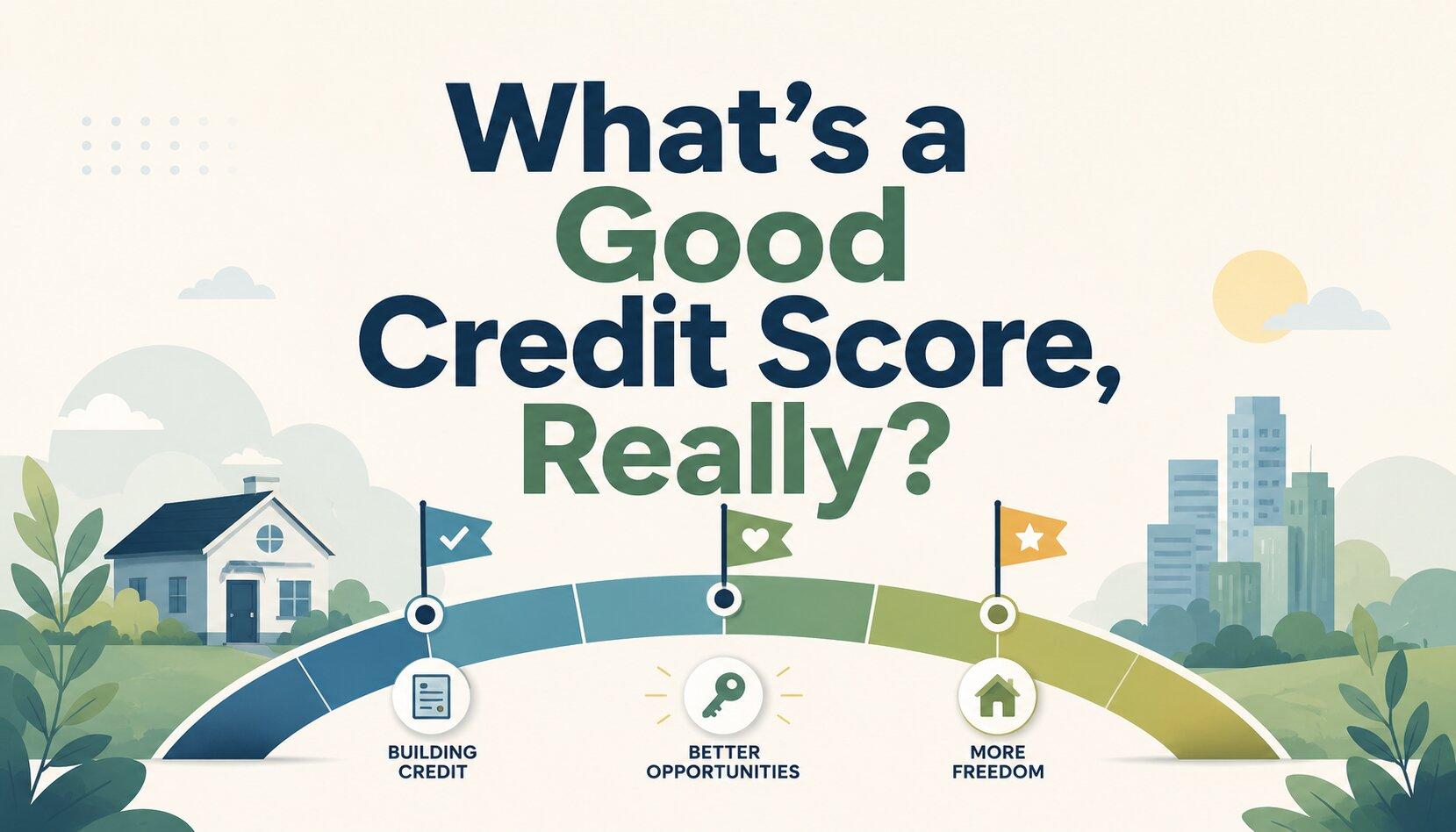
What's a Good Credit Score, Really? The Three Numbers That Actually Change Your Life
Your credit score can quietly cost you a house. Not the down payment, the interest. On a $300,000 mortgage, the gap between a low-600s score and a mid-700s score runs to about $50,000 over 30 years. The strange part is that you don't need a perfect score to avoid it. Here's the good credit score range that actually matters, the three thresholds that change your rate, and why chasing 850 is a waste of time.
Investing
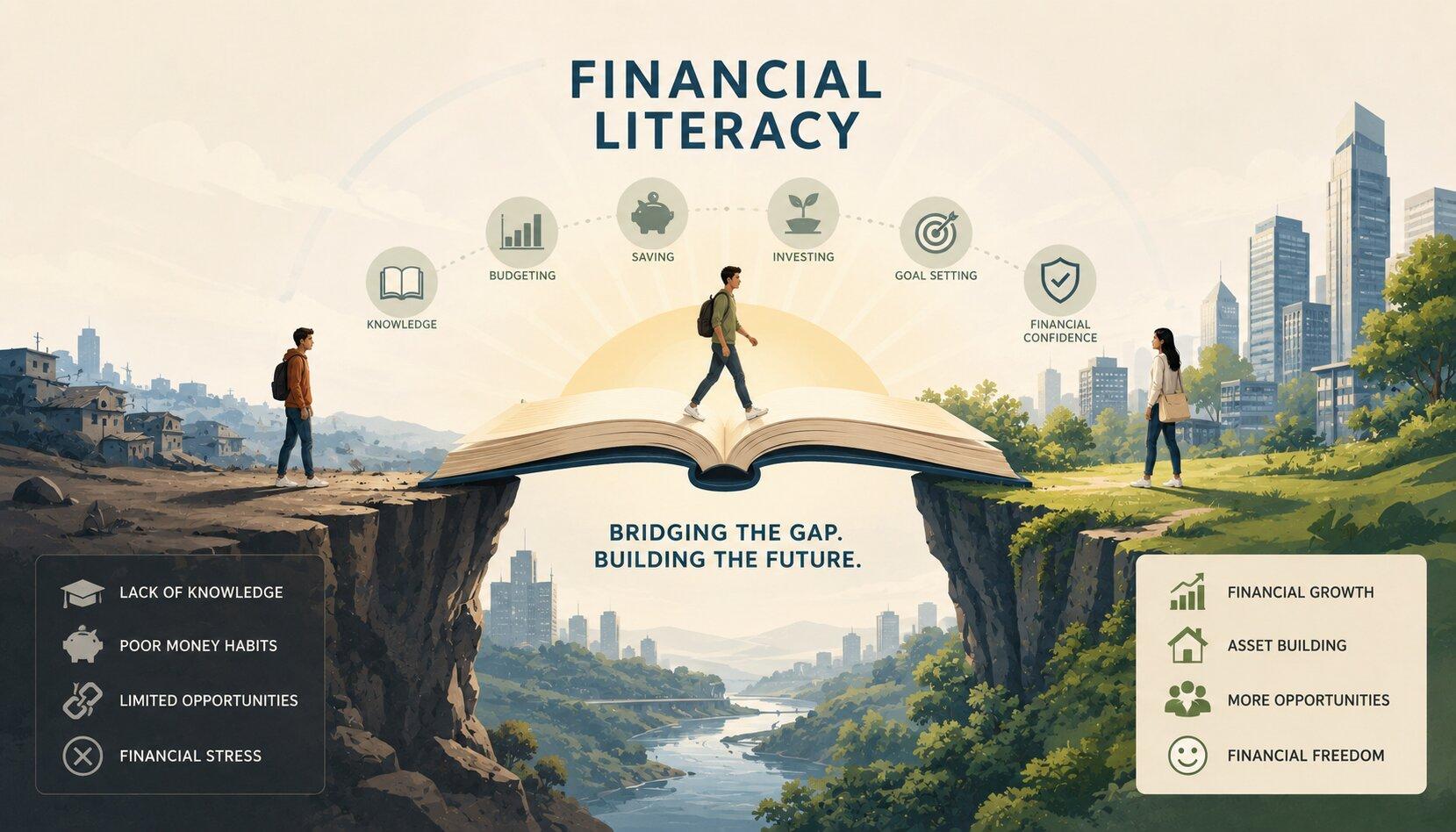
How Financial Literacy Quietly Closes the Wealth Gap (And Why Compound Interest Is the Real Equalizer)
About a third of US wealth inequality is a literacy story. That's the most cited academic estimate, and almost no one in the field actually quotes it. The mechanism behind it isn't willpower, it's compound interest, which doesn't care who's pulling on it. Two people on the same $60,000 salary, one saving 12% and one saving 3% for 35 years, end up roughly $746,000 apart. Here's what the data actually says, why the top-ranking pieces skip the math, and the calm middle position the debate keeps missing.

Investing
The Psychology Behind Money: Why Understanding Your Money Mindset Is Crucial
Money decisions are rarely about numbers alone. What looks like a budgeting problem or a bad investment choice is often driven by habits, emotions, and beliefs formed long before your first payslip. Behavioural finance research and decades of psychological studies show that fear, overconfidence, and social pressure consistently shape how people earn, spend, and invest. Until you understand these invisible drivers, even the best financial advice can fail to stick or produce lasting results. Mastering your money starts with mastering the mindset behind it.

Financial Literacy
Think You Can Afford That Dream Home? The Harsh Reality of Being House Poor
You might think buying your dream home is the ultimate sign of financial success. But for many young buyers, that dream quickly becomes a monthly struggle that drains every spare pound. Rising interest rates, soaring maintenance costs and lifestyle inflation mean that owning a home can quietly sabotage your wider financial stability. Instead of feeling secure, homeowners often find themselves sacrificing savings, delaying investments and cutting back on essentials just to keep up. The real question is simple: is a beautiful home worth it if it leaves you financially trapped?

Investing
The Dangers of Trend Following: How Chasing the Next Big Thing Can Ruin Investment Portfolios
Everyone wants to find the next Tesla, Bitcoin, or Nvidia before the world catches on. But in the race to chase what’s hot, investors often end up buying high and selling low. History is littered with examples of bubbles fuelled by herd mentality and FOMO, from the dot-com craze to the meme-stock mania. Each time, fortunes were made quickly, yet far more were lost when the hype collapsed. True wealth isn’t built by following trends, but by investing with discipline and patience when others lose their heads.
Personal Finance
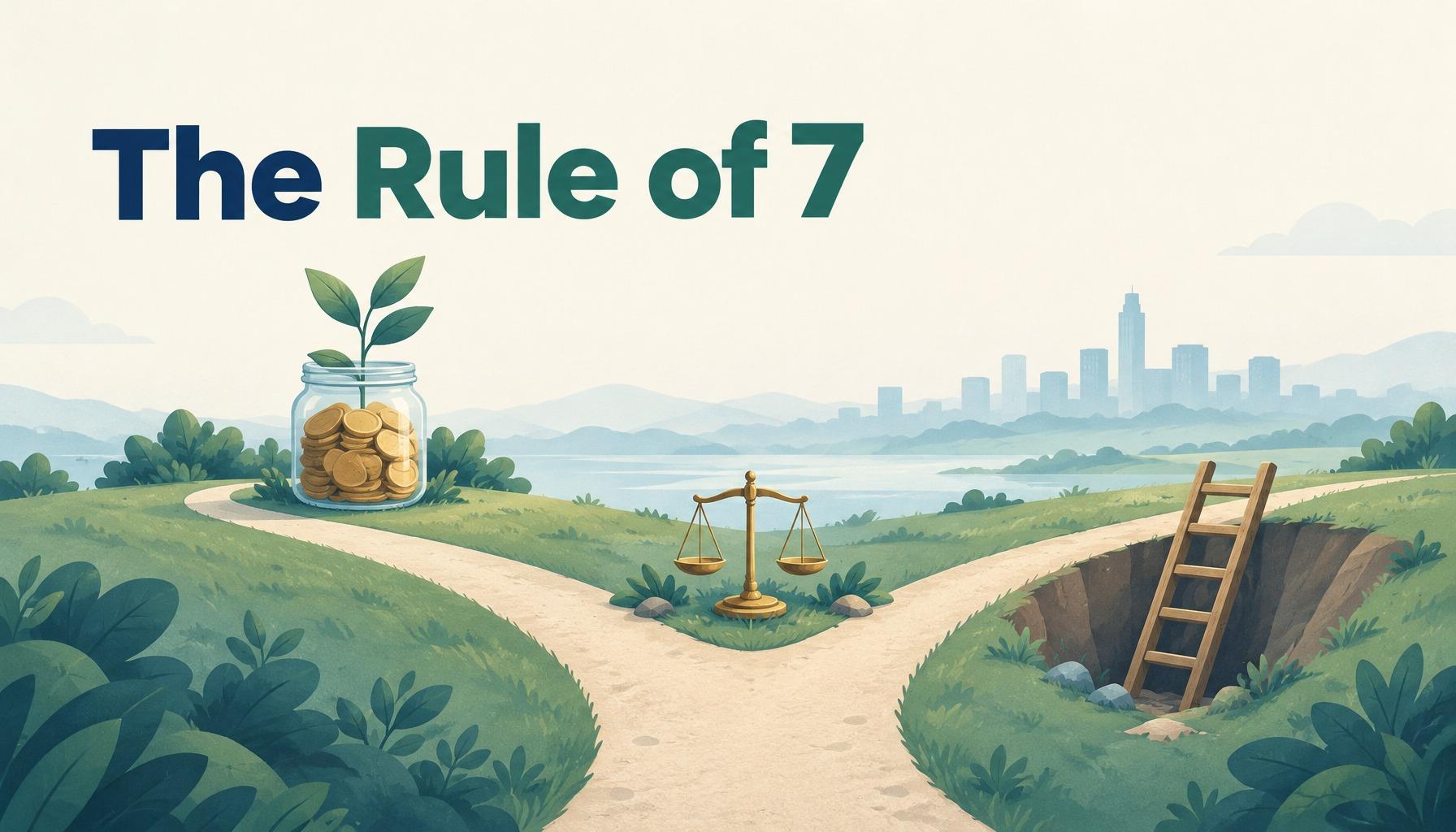
What Is the Rule of 7? The Overlooked Rule That Could Transform Your Finances
Most people make one silent money mistake that costs them years of progress without ever realising it. It happens when they blindly follow generic advice to invest more or pay off debt faster, without a clear rule to decide which actually comes first. Despite endless finance content online, very few frameworks help you compare a guaranteed return against a market return in a way that is practical, repeatable, and grounded in reality. That gap is exactly where the Rule of 7 quietly sits, offering a simple threshold that cuts through noise, emotion, and financial paralysis. Understand this rule, and you stop guessing with your money and start making decisions that genuinely move your finances forward.
Personal Finance
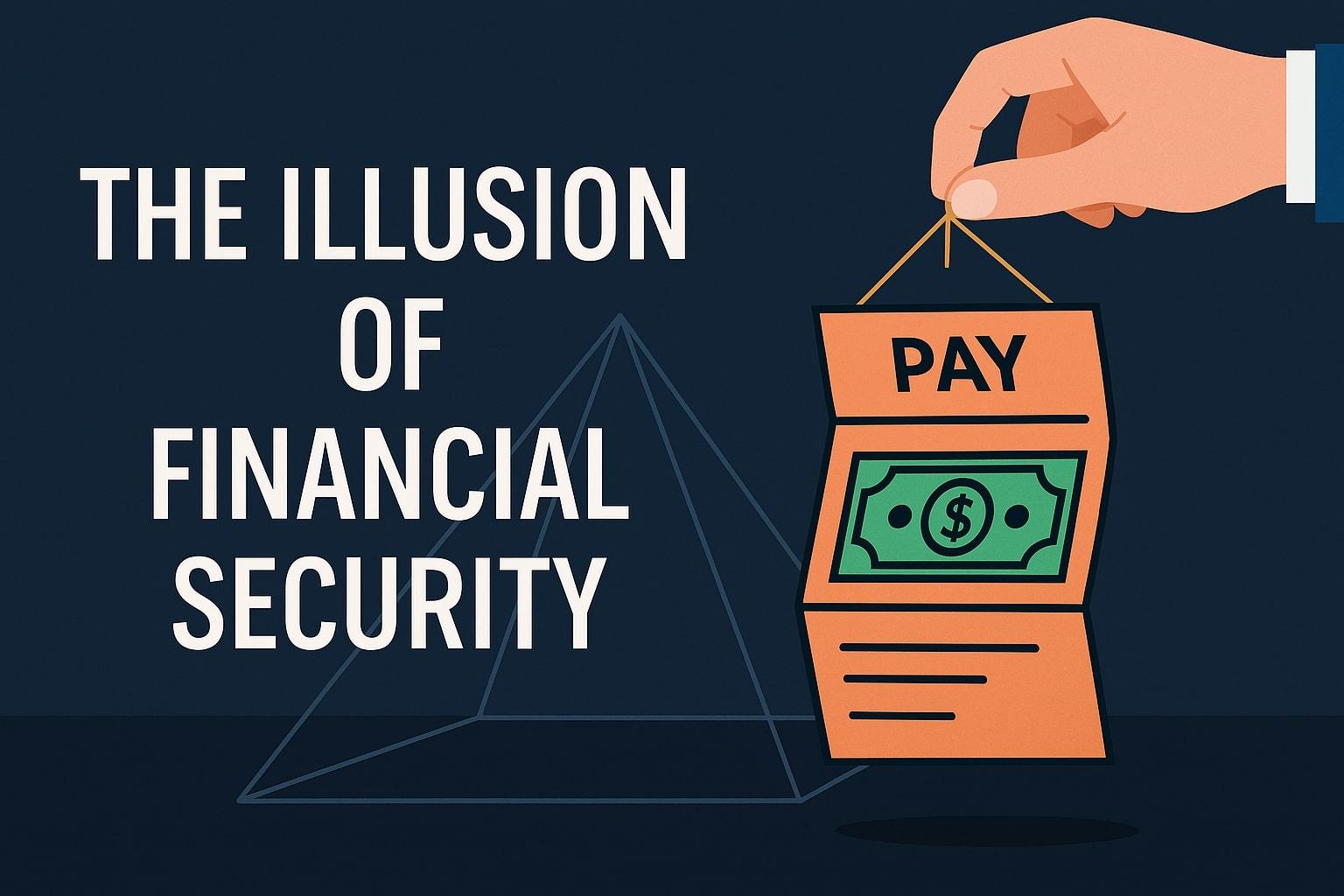
The Illusion of Financial Security: Why More Money Isn’t Always the Answer
Chasing higher income feels like the ultimate path to safety. But for many, that bigger paycheck simply fuels bigger spending and deeper financial stress. Research consistently shows that lifestyle inflation erodes the security people thought more money would bring. True stability doesn’t come from earning more, but from building habits that protect and grow what you already have. The real measure of financial security isn’t your income — it’s how you manage it.
Personal Finance
What Is The 0.01% Rule? The Money Rule You Need To Know Now
You’ve probably hesitated over a £5 coffee or a £20 takeaway, wondering if it’s reckless or harmless. Those small choices often trigger more guilt than the big purchases we plan for. Psychologists call this decision fatigue — the mental drain of second-guessing every pound, which can sabotage even disciplined savers. But what if there were a simple rule that instantly told you whether a purchase was worth stressing over? The 0.01% Rule promises just that — clear guidance for guilt-free spending while you build wealth.

Personal Finance
How to Stop Living Paycheck to Paycheck: A 7-Step System That Works on an Average Income
Between a quarter and two-thirds of Americans live paycheck to paycheck, depending on who's counting. Here's a 7-step system to get a month ahead, with real numbers.